When it comes to jewelry making, wire working, or various DIY projects, German Type Round Nose Pliers are an indispensable tool. As a trusted supplier of these high - quality pliers, I am excited to share with you how to use German Type Round Nose Pliers for making jump rings. This guide will take you through the process step by step, from understanding the tool to creating perfect jump rings.
Understanding German Type Round Nose Pliers
German Type Round Nose Pliers are known for their precision and durability. They typically have tapered, round jaws that gradually decrease in diameter towards the tip. The smooth, rounded shape of the jaws allows for creating consistent curves and loops in wire, which is essential for making jump rings. The design of these pliers often features a comfortable grip, reducing hand fatigue during extended use.
Choosing the Right Wire
Before you start making jump rings, it's crucial to select the appropriate wire. The wire's gauge (thickness) and material will affect the final look and strength of your jump rings. For most jewelry - making purposes, a wire gauge between 18 and 24 is commonly used. Softer metals like sterling silver, copper, and brass are popular choices because they are easy to work with. Harder metals such as platinum or high - karat gold may require more effort and specialized techniques.
Preparing Your Workspace
A clean and organized workspace is essential for successful jump - ring making. Gather all your tools, including your German Type Round Nose Pliers, wire cutters, and a ruler or caliper to measure the wire. You may also want to have a small container to collect the cut wire pieces and a work surface that won't scratch the pliers or the wire.

Step - by - Step Guide to Making Jump Rings
- Measure and Cut the Wire: Use a ruler or caliper to measure the length of wire you need for your jump ring. A general rule of thumb is that the length of the wire should be slightly longer than the circumference of the desired ring size. Once measured, use wire cutters to cut the wire cleanly. Make sure the cut is straight, as this will affect the quality of the final jump ring.
- Start the Loop: Take your German Type Round Nose Pliers and place the tip of the wire into the smallest opening at the end of the pliers' jaws. Gently close the pliers to start forming a small loop at the end of the wire. Be careful not to apply too much pressure, as this can distort the shape of the loop.
- Continue Forming the Ring: Once you have the initial loop, slowly rotate the wire around the pliers' jaws, using the rounded shape of the jaws to guide the wire into a circular shape. Keep the wire in contact with the jaws as you turn it, ensuring a smooth and even curve.
- Complete the Ring: Continue rotating the wire until the two ends of the wire meet. Try to align the ends as closely as possible. If the ends don't meet perfectly, you can use the pliers to gently adjust the shape of the ring.
- Check the Ring: Once the ring is formed, remove it from the pliers and check its shape. The ring should be circular, and the ends should meet neatly. If there are any kinks or unevenness, you can use the pliers to make minor adjustments.
Tips for Making Perfect Jump Rings
- Consistency is Key: To create a set of jump rings that look uniform, try to use the same wire gauge and pliers' opening for each ring. This will ensure that all the rings have the same size and shape.
- Practice Makes Perfect: Making jump rings takes practice. Don't be discouraged if your first few rings don't turn out perfectly. With time and experience, you'll be able to make smooth, professional - looking jump rings.
- Use the Right Technique: When closing the pliers to form the loop, use a gentle, even pressure. Avoid squeezing too hard, as this can flatten the wire or cause the ring to lose its shape.
Other Pliers for Related Tasks
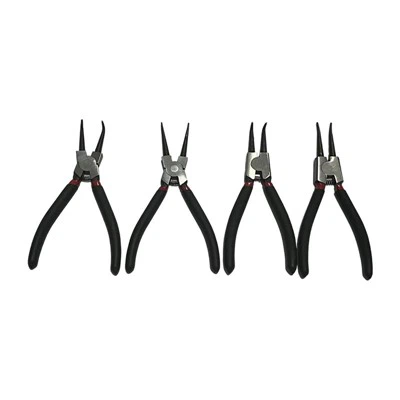
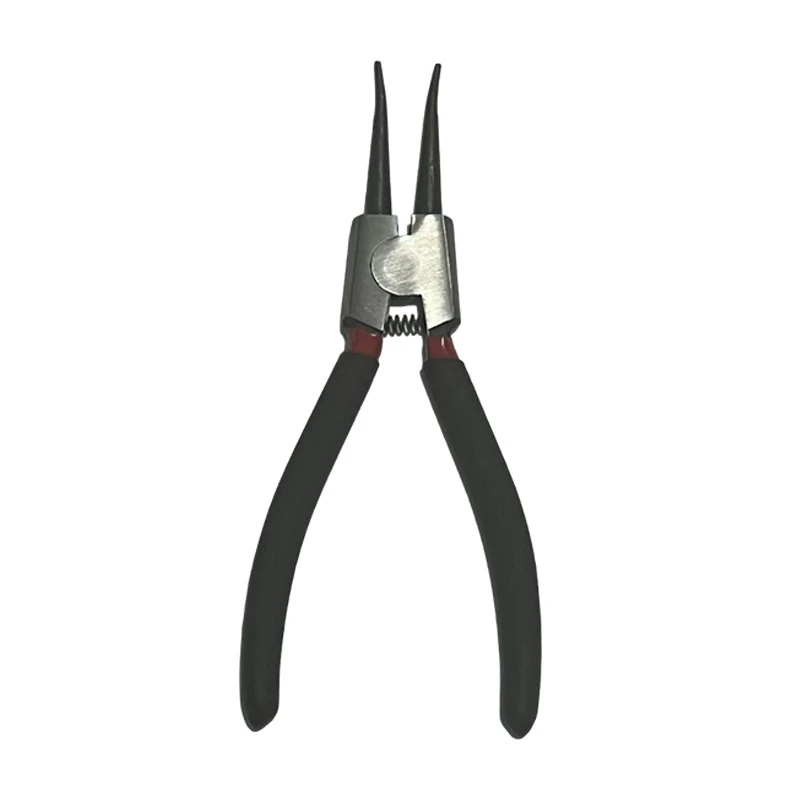
While German Type Round Nose Pliers are excellent for making jump rings, there are other types of pliers that can be useful in your jewelry - making or DIY projects. For example, Circlip Pliers are designed for working with circlips, which are small, spring - like fasteners. They come in various sizes and styles to accommodate different types of circlips. Another useful tool is the Long Reach Flat Nose Plier, which has long, flat jaws that are great for holding and bending wire in tight spaces. If you're looking for a reliable source of Circlip Pliers, our website offers a wide selection of high - quality options.
Contact for Purchase and Discussion
If you're interested in purchasing German Type Round Nose Pliers or have any questions about our products, we encourage you to reach out to us. We are committed to providing the best quality tools and excellent customer service. Whether you're a professional jeweler or a hobbyist, our pliers are designed to meet your needs. Contact us to start a discussion about your specific requirements and to explore our product range.
References
- Jewelry Making Basics: A Comprehensive Guide. [Author], [Publisher], [Year]
- Wire Working Techniques for Beginners. [Author], [Online Publication], [Date]
- The Art of Jewelry Design: Tools and Materials. [Author], [Book Title], [Publisher], [Year]