When it comes to the versatility of hand tools, locking grip pliers are often hailed as a staple in any toolbox. As a dedicated supplier of locking grip pliers, I've encountered numerous inquiries about their potential uses, especially regarding gripping rubber objects. This blog post aims to explore whether locking grip pliers can effectively be used for gripping rubber items, examining the factors at play and providing practical insights.
Understanding Locking Grip Pliers
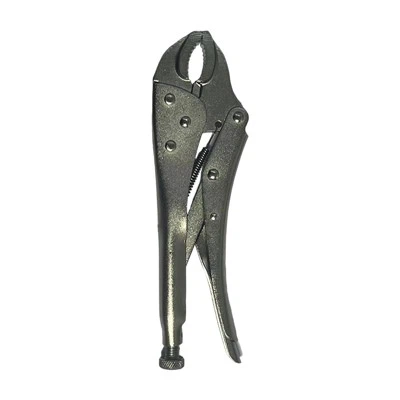
Locking grip pliers, also known as Vise-Grips, are designed with a unique locking mechanism that allows them to clamp down on an object and maintain a firm grip. This feature makes them incredibly useful for a wide range of tasks, from holding metal pieces together during welding to tightening stubborn nuts and bolts. The jaws of locking grip pliers come in various shapes and sizes, each tailored to specific applications. Some jaws are smooth, while others are serrated to provide a more secure hold on textured surfaces.
The Challenge of Gripping Rubber Objects
Rubber is a soft, flexible material with a high coefficient of friction. While this property can be advantageous in some situations, it also presents challenges when it comes to gripping. Unlike metal or wood, rubber can deform easily under pressure, making it difficult to maintain a stable grip. Additionally, the smooth surface of rubber can cause the jaws of traditional pliers to slip, reducing their effectiveness.
Factors to Consider
When determining whether locking grip pliers can be used for gripping rubber objects, several factors need to be taken into account:
- Jaw Design: The design of the jaws plays a crucial role in the pliers' ability to grip rubber. Smooth jaws are less likely to damage the rubber surface but may not provide enough friction to hold the object securely. Serrated jaws, on the other hand, can provide a better grip but may leave marks or damage the rubber.
- Pressure Adjustment: Locking grip pliers typically allow for adjustable pressure, which is essential when working with rubber objects. Applying too much pressure can cause the rubber to deform or even tear, while applying too little pressure may result in the object slipping out of the jaws.
- Rubber Properties: The type and thickness of the rubber also affect the pliers' performance. Soft, flexible rubber is more challenging to grip than harder, more rigid rubber. Additionally, the surface texture of the rubber can impact the grip, with smoother surfaces being more prone to slipping.
Advantages of Using Locking Grip Pliers for Rubber Objects
Despite the challenges, there are several advantages to using locking grip pliers for gripping rubber objects:
- Secure Hold: The locking mechanism of the pliers ensures a firm and stable grip, preventing the rubber object from slipping or moving during use.
- Adjustable Pressure: As mentioned earlier, the ability to adjust the pressure allows for greater control and precision when working with rubber. This feature is particularly useful when handling delicate or sensitive rubber components.
- Versatility: Locking grip pliers can be used for a variety of rubber-related tasks, such as holding rubber hoses in place during installation or removing rubber gaskets.
Limitations and Considerations
While locking grip pliers can be effective for gripping rubber objects, there are some limitations and considerations to keep in mind:
- Damage Risk: As with any tool, there is a risk of damaging the rubber object if too much pressure is applied or if the jaws are not properly aligned. It's important to use the pliers with caution and to test the grip on a small, inconspicuous area first.
- Surface Marks: Serrated jaws may leave marks or indentations on the rubber surface, which can be undesirable in some applications. If a smooth finish is required, it may be necessary to use smooth jaws or to protect the rubber with a soft material, such as a cloth or rubber pad.
- Limited Compatibility: Not all locking grip pliers are suitable for gripping rubber objects. Some models may have jaws that are too large or too small, or they may not provide enough pressure adjustment. It's important to choose a pair of pliers that is specifically designed for the task at hand.
Practical Applications
Here are some practical applications where locking grip pliers can be used for gripping rubber objects:
- Rubber Hose Installation: When installing rubber hoses, locking grip pliers can be used to hold the hose in place while connecting it to a fitting. This ensures a secure and leak-free connection.
- Rubber Gasket Removal: Locking grip pliers can be used to remove rubber gaskets from engines, appliances, or other equipment. The firm grip of the pliers makes it easier to pry the gasket loose without damaging it.
- Rubber Seal Repair: If a rubber seal is damaged or needs to be replaced, locking grip pliers can be used to hold the seal in place while applying adhesive or making repairs.
- Rubber Tubing Bending: When bending rubber tubing, locking grip pliers can be used to hold the tubing at the desired angle while applying heat or pressure. This helps to ensure a smooth and uniform bend.
Other Pliers for Rubber Applications
In addition to locking grip pliers, there are other types of pliers that can be used for gripping rubber objects:
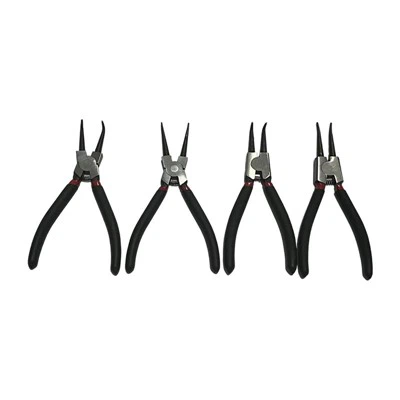
- Circlip Pliers: Circlip pliers are designed for installing and removing circlips, which are often used in rubber applications. They have narrow jaws that can grip the circlip securely without damaging the rubber.
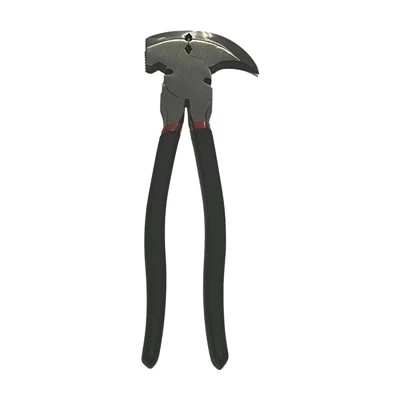
- Fence Pliers: Fence pliers are commonly used for working with wire fences, but they can also be used for gripping rubber objects. They have a strong grip and are designed to handle tough materials, making them suitable for heavy-duty rubber applications.
- Wire Stripping Pliers: While wire stripping pliers are primarily used for stripping wire insulation, they can also be used for gripping small rubber objects. They have a fine tip that can provide a precise grip on delicate rubber components.
Conclusion
In conclusion, locking grip pliers can be used for gripping rubber objects, but it's important to consider the factors mentioned above and to use the pliers with caution. The adjustable pressure and secure hold of locking grip pliers make them a versatile tool for a variety of rubber-related tasks. However, it's important to choose the right pair of pliers for the job and to take steps to prevent damage to the rubber surface.
If you're in the market for high-quality locking grip pliers or other hand tools, I encourage you to reach out to me for more information. As a leading supplier of locking grip pliers, I can provide you with the products and expertise you need to get the job done right. Whether you're a professional tradesperson or a DIY enthusiast, I'm here to help you find the perfect tool for your needs. Contact me today to discuss your requirements and to learn more about our products and services.


References
- Black, J. T., & Kohser, R. A. (2006). DeGarmo's materials and processes in manufacturing. Wiley.
- Callister, W. D., & Rethwisch, D. G. (2010). Materials science and engineering: An introduction. Wiley.
- Schey, J. A. (2000). Tribology in metalworking: friction, lubrication, and wear. ASM International.