Hey there! As a supplier of Germany Type Long Nose Pliers, I often get asked whether these bad boys can be used for bending metal. Well, let's dive right into it and find out!
First off, let's talk a bit about Germany Type Long Nose Pliers. These pliers are known for their long, tapered jaws that come to a fine point. They're super handy for a whole bunch of tasks, like gripping small objects, reaching into tight spaces, and even some light cutting in some cases. But when it comes to bending metal, can they really cut the mustard?
The Basics of Bending Metal
Before we decide if our Germany Type Long Nose Pliers are up to the job, we need to understand a bit about bending metal. Different metals have different properties, like hardness, ductility, and malleability. For example, copper and aluminum are relatively soft and ductile, which means they're easier to bend. On the other hand, steel can be much harder and more difficult to shape.
The thickness of the metal also plays a huge role. Thinner metal sheets or wires are generally easier to bend than thick bars or rods. So, when we're thinking about using our pliers for bending, we've got to take these factors into account.
Can Germany Type Long Nose Pliers Bend Metal?
The short answer is yes, they can! But there are some limitations.
For Thin Wires and Small Metal Pieces
Germany Type Long Nose Pliers are excellent for bending thin wires and small metal pieces. Their long, narrow jaws allow you to get a good grip on the material and apply precise pressure. Whether you're working on a jewelry project, doing some electrical wiring, or making small metal components, these pliers can be your best friend.
For instance, if you're making a simple wire sculpture, you can use the pliers to create smooth curves and sharp angles with ease. The fine tips of the jaws let you work on small details and make accurate bends.
For Thicker Metal
However, when it comes to thicker metal, things get a bit more complicated. Germany Type Long Nose Pliers are not designed for heavy-duty bending. Their jaws are relatively thin and may not be able to withstand the high forces required to bend thick metal bars or sheets.
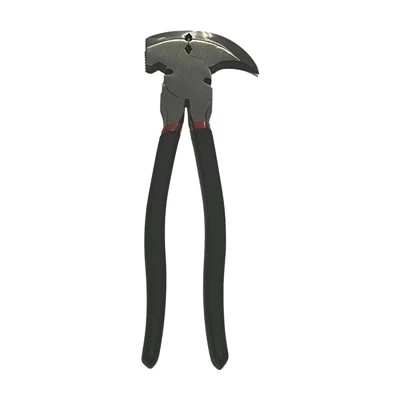
If you try to bend thick metal with these pliers, you run the risk of damaging the pliers. The jaws could get bent or even break under the pressure. So, for thicker metal, it's better to use more specialized tools like Fence Pliers or a vise and a hammer.
Advantages of Using Germany Type Long Nose Pliers for Metal Bending
Even with their limitations, there are several advantages to using Germany Type Long Nose Pliers for metal bending.
Precision
As I mentioned earlier, the long, tapered jaws of these pliers allow for precise control. You can make small, accurate bends that are difficult to achieve with other tools. This precision is especially important in delicate projects where every detail matters.
Accessibility
The long shape of the pliers gives you access to tight spaces. You can reach into corners or between other objects to bend metal in places where larger tools won't fit. This makes them ideal for working on complex assemblies or in confined areas.
Other Pliers for Metalworking
While Germany Type Long Nose Pliers are great for certain types of metal bending, there are other pliers that can be useful in different situations.
Germany Type Diagonal Cutting Pliers
These pliers are mainly used for cutting wires, but they can also be used for some light bending. Their sharp cutting edges can be used to score the metal, which can make it easier to bend in a specific direction.
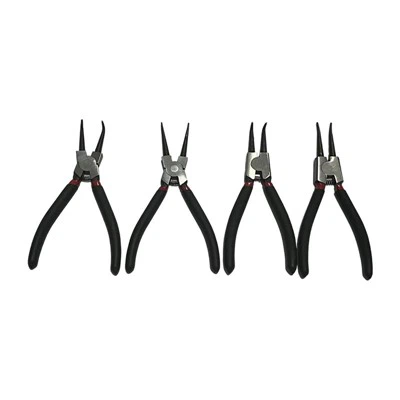
Circlip Pliers
Circlip pliers are designed for installing and removing circlips, but they can also be used for bending small metal rings or clips. They come in different types, such as internal and external circlip pliers, which are suitable for different applications.
Tips for Using Germany Type Long Nose Pliers for Metal Bending
If you're going to use Germany Type Long Nose Pliers for metal bending, here are some tips to keep in mind:


- Choose the right metal: Stick to thin wires and small metal pieces that the pliers can handle. Avoid trying to bend thick or hard metals.
- Use proper technique: Apply pressure gradually and evenly to avoid damaging the pliers or the metal. Hold the pliers firmly but not too tightly.
- Protect the jaws: If you're working with rough or sharp metal, consider using a piece of cloth or tape to protect the jaws of the pliers from scratches.
Conclusion
So, to sum it up, Germany Type Long Nose Pliers can definitely be used for bending metal, especially thin wires and small metal pieces. They offer precision and accessibility that make them a valuable tool in any metalworking project. However, they have their limitations when it comes to thicker or harder metals.
If you're in the market for high-quality Germany Type Long Nose Pliers or other hand tools, I'd love to talk to you. Whether you're a professional metalworker or a DIY enthusiast, I can help you find the right tools for your needs. Feel free to reach out and start a conversation about your procurement requirements. Let's work together to get you the tools you need to take your projects to the next level!
References
- "Hand Tools: A Comprehensive Guide" - A handbook on various hand tools and their uses.
- "Metalworking Basics" - A guide to the fundamentals of working with different types of metals.