Hey there! As a hand tools supplier, I've seen all sorts of tools that are used in different construction and DIY projects. One area that often gets overlooked but is super important is plastering. Plastering is a skill that requires the right tools to get a smooth and professional finish. In this blog, I'm gonna talk about the hand tools that are commonly used for plastering.
Let's start with the basics. One of the most essential tools for plastering is the plastering trowel. A good plastering trowel has a flat, rectangular blade that's made of high - quality stainless steel. The blade should be flexible enough to spread the plaster evenly but also rigid enough to hold its shape. There are different sizes of plastering trowels available, and the size you choose depends on the area you're plastering. For smaller areas, a smaller trowel is more precise, while larger areas require a bigger trowel to cover more ground quickly.
Another important tool is the hawk. A hawk is a flat, square board with a handle on the back. It's used to hold the plaster while you're working. You can load the plaster onto the hawk and then use your trowel to pick up the plaster and apply it to the wall or ceiling. Hawks come in different materials, like metal or plastic. Metal hawks are more durable, but they can be a bit heavier. Plastic hawks are lighter, which can be an advantage if you're working for long periods.
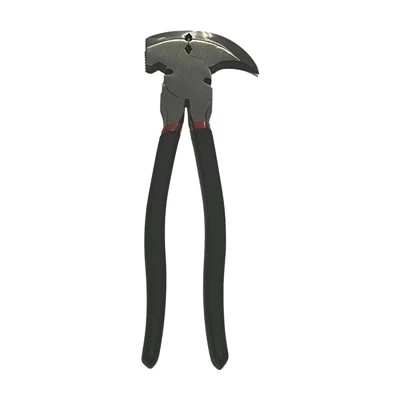
Now, let's talk about some tools that might not be the first thing that comes to mind when you think about plastering but are still very useful. For example, the German Type End Cutting Pliers. These pliers can be used to cut wires or small pieces of metal that might be in the way during the plastering process. Maybe you need to cut some wire mesh that's been used for reinforcement. These pliers are really handy for that kind of job.
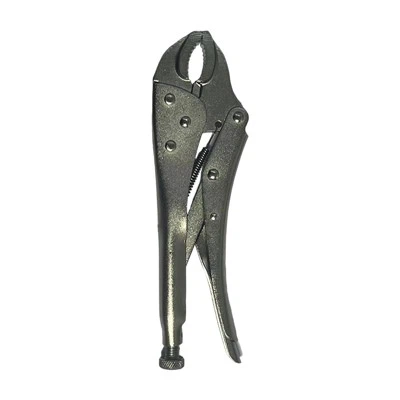
A Large Opening Adjustable Wrench can also come in handy. You might need to adjust some scaffolding or other equipment that you're using while plastering. The large opening of this wrench allows you to work with different sizes of nuts and bolts, making it a versatile tool on the job site.
When it comes to finishing touches, a float is a must - have tool. A float is used to smooth out the plaster after it's been applied. There are different types of floats, like sponge floats and wooden floats. Sponge floats are great for adding a bit of texture to the plaster, while wooden floats are better for getting a really smooth finish. You can use the float to level the plaster and get rid of any ridges or bumps.
A corner trowel is another specialized tool for plastering. As the name suggests, it's used to plaster corners. It has a unique shape that allows you to get into the tight corners of a room and apply the plaster evenly. This is especially important for getting a professional - looking finish, as corners can be tricky to plaster properly.
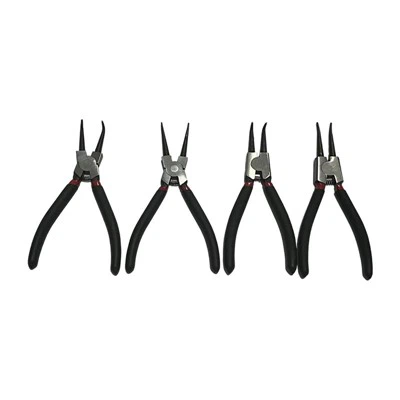
Now, let's not forget about the Germany Type Long Nose Pliers. These pliers can be used for tasks like pulling out small nails or pins that might be sticking out of the wall or ceiling. They're also useful for reaching into tight spaces where regular pliers might not fit.
In addition to these tools, you'll also need a bucket to mix the plaster. Make sure the bucket is big enough to hold the amount of plaster you need for your project. You'll also need a mixing paddle or a drill with a mixing attachment to mix the plaster thoroughly. A good quality mixing tool is important because it ensures that the plaster has a consistent texture, which is crucial for a good finish.
When it comes to cleaning up, a scraper can be very useful. You can use a scraper to remove any excess plaster that's dried on the tools or the work surface. A putty knife can also be used for smaller areas of cleanup.
As a hand tools supplier, I know how important it is to have the right tools for the job. Using high - quality tools not only makes the plastering process easier but also ensures a better end result. If you're planning a plastering project, make sure you have all the necessary tools on hand. And if you're in the market for new hand tools, I'm here to help. Whether you're a professional contractor or a DIY enthusiast, I can provide you with the tools you need at competitive prices.
If you're interested in purchasing any of the tools I've mentioned or have any questions about which tools are best for your specific plastering project, feel free to reach out. We can have a chat about your needs, and I'll do my best to provide you with the right solutions. Let's make your plastering project a success!


References
- Construction Tools Handbook: A guide to the essential tools used in the construction industry, including plastering tools.
- DIY Plastering Manual: A comprehensive resource for beginners and experienced plasterers alike, covering tools and techniques.