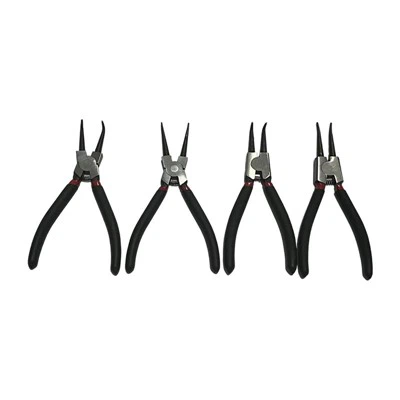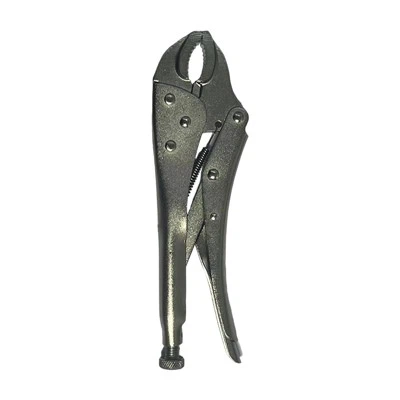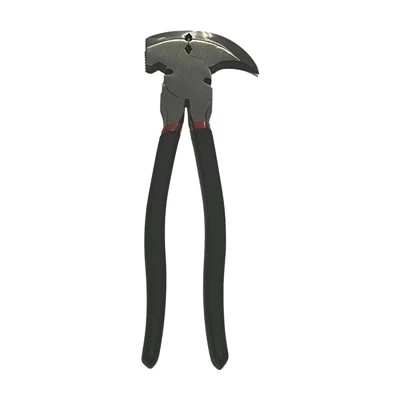
Slip joint pliers are a staple in many toolboxes, prized for their versatility and utility in a wide range of applications. As a trusted Slip Joint Pliers supplier, I understand the importance of knowing how these tools work to make the most of their capabilities. In this blog post, I will delve into the working mechanism of slip joint pliers, exploring their components, functions, and the science behind their operation.
Components of Slip Joint Pliers
Before we discuss how slip joint pliers work, it's essential to familiarize ourselves with their key components. Typically, a pair of slip joint pliers consists of the following parts:
- Jaws: The jaws are the working ends of the pliers, designed to grip, hold, or manipulate objects. They come in various shapes and sizes to accommodate different tasks, such as flat, serrated, or rounded jaws for better gripping.
- Joint: The joint is the pivot point where the two arms of the pliers meet. It allows the jaws to open and close, enabling the user to apply pressure and grip objects.
- Adjustable Slip Joint: This is the unique feature that sets slip joint pliers apart from other types of pliers. The slip joint consists of a series of notches or grooves on one of the arms and a corresponding pivot pin on the other arm. By sliding the pivot pin into different notches, the user can adjust the distance between the jaws, providing a wider range of gripping capacities.
- Handles: The handles are the parts of the pliers that the user holds. They are usually made of materials such as plastic, rubber, or metal and are designed to provide a comfortable and secure grip.
How Slip Joint Pliers Work
The working mechanism of slip joint pliers is relatively straightforward yet highly effective. Here's a step-by-step breakdown of how they operate:
- Adjusting the Slip Joint: Before using the pliers, the user needs to adjust the slip joint to the appropriate position based on the size of the object they want to grip. To do this, they simply open the pliers wide and then slide the pivot pin into the desired notch on the adjustable arm. This increases or decreases the distance between the jaws, allowing them to fit different-sized objects.
- Gripping the Object: Once the slip joint is adjusted, the user places the object between the jaws of the pliers and closes the handles. As the handles are squeezed together, the jaws come together, applying pressure to the object and gripping it firmly. The serrated or textured surface of the jaws helps to prevent the object from slipping.
- Applying Force: With the object securely gripped, the user can then apply force to perform various tasks, such as tightening or loosening nuts and bolts, bending wires, or holding objects in place. The design of the pliers allows the user to exert a significant amount of force on the object without causing excessive strain on their hands.
- Releasing the Grip: When the task is completed, the user simply releases the pressure on the handles, causing the jaws to open and releasing the object.
Advantages of Slip Joint Pliers
Slip joint pliers offer several advantages over other types of pliers, making them a popular choice for both professional tradespeople and DIY enthusiasts. Some of the key advantages include:
- Versatility: The adjustable slip joint allows slip joint pliers to be used for a wide range of tasks and on various sizes of objects. This makes them a versatile tool that can be used in multiple applications, from electrical work to plumbing and automotive repairs.
- Increased Grip Capacity: By adjusting the slip joint, users can increase the distance between the jaws, providing a wider range of gripping capacities. This makes it possible to grip objects of different sizes that would be difficult or impossible to hold with other types of pliers.
- Ease of Use: Slip joint pliers are relatively easy to use, even for beginners. The simple design and adjustable mechanism make them intuitive and straightforward to operate, requiring minimal training or experience.
- Durability: Most slip joint pliers are made of high-quality materials such as steel or chrome vanadium, which makes them durable and long-lasting. They can withstand heavy use and abuse, making them a reliable tool for professional use.
Applications of Slip Joint Pliers
Slip joint pliers are used in a variety of industries and applications, including:
- Electrical Work: Electricians use slip joint pliers to bend and twist wires, grip and hold electrical components, and tighten or loosen nuts and bolts in electrical panels and equipment.
- Plumbing: Plumbers rely on slip joint pliers to install and repair pipes, valves, and fittings. They can be used to grip and turn pipe nuts, hold pipes in place during soldering or welding, and remove stubborn fittings.
- Automotive Repair: In the automotive industry, slip joint pliers are used for tasks such as changing spark plugs, removing and installing hoses, and tightening or loosening fasteners in the engine compartment.
- General DIY Projects: Slip joint pliers are a must-have tool for any DIY enthusiast. They can be used for a wide range of home improvement projects, such as assembling furniture, repairing appliances, and working on hobbies.
Comparison with Other Types of Pliers
While slip joint pliers are versatile and useful tools, they are not the only type of pliers available. Here's a comparison of slip joint pliers with some other common types of pliers:
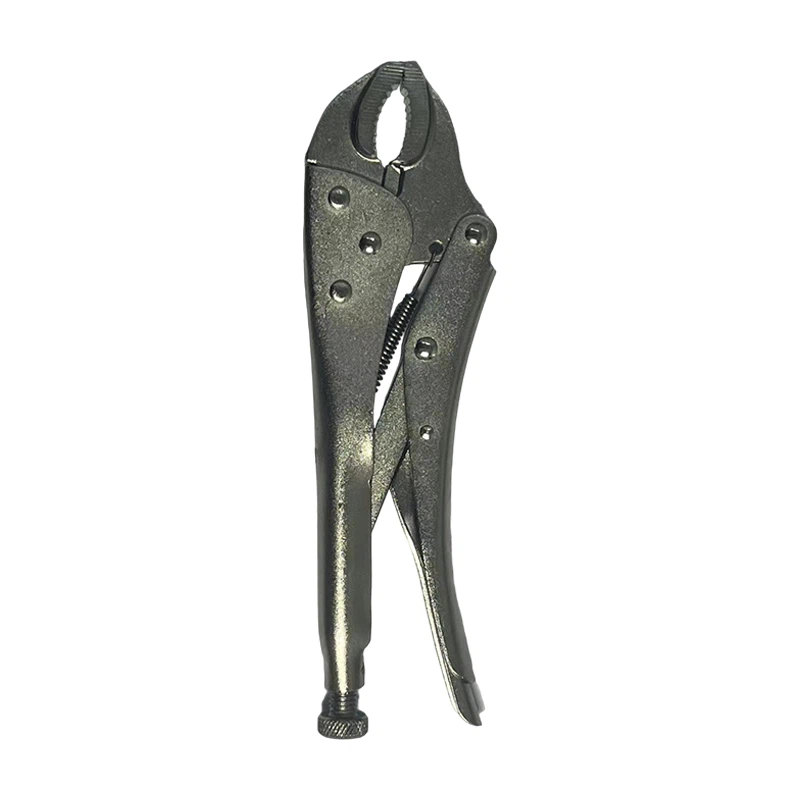

- Locking Grip Plier: Also known as vise grips or mole grips, Locking Grip Plier feature a locking mechanism that allows them to hold an object tightly without the need for continuous pressure on the handles. They are ideal for tasks that require a strong and secure grip, such as holding objects in place during welding or cutting.
- Germany Type Long Nose Pliers: Germany Type Long Nose Pliers have long, narrow jaws that are designed for reaching into tight spaces and gripping small objects. They are commonly used in electrical work, jewelry making, and other precision tasks.
- Regular Pliers: Regular pliers, such as needle-nose pliers and combination pliers, do not have an adjustable slip joint. They are suitable for gripping and manipulating objects of a specific size range but may not be as versatile as slip joint pliers.
Maintenance and Care
To ensure the longevity and optimal performance of your slip joint pliers, it's important to take proper care of them. Here are some maintenance tips:
- Keep Them Clean: After each use, wipe the pliers clean with a dry cloth to remove any dirt, debris, or moisture. This helps to prevent rust and corrosion.
- Lubricate the Joint: Periodically lubricate the slip joint and pivot point with a light oil or grease to keep them functioning smoothly.
- Store Them Properly: Store the pliers in a dry, clean place, ideally in a toolbox or a dedicated tool rack. This helps to protect them from damage and prevents them from getting lost.
Conclusion
Slip joint pliers are an essential tool for anyone who needs to grip, hold, or manipulate objects of different sizes. Their adjustable slip joint provides a wide range of gripping capacities, making them versatile and suitable for a variety of applications. As a Slip Joint Pliers supplier, I am committed to providing high-quality tools that meet the needs of our customers. Whether you're a professional tradesperson or a DIY enthusiast, having a pair of reliable slip joint pliers in your toolbox can make your work easier and more efficient.
If you're interested in purchasing slip joint pliers or other hand tools, please don't hesitate to contact us for a free quote. We offer a wide range of Slip Joint Pliers and other quality products at competitive prices. Let's start the discussion and find the perfect tools for your needs.
References
- Cox, A. (2019). The Complete Guide to Hand Tools. New York: Sunrise Publishers.
- Davis, R. (2020). Hand Tools for Beginners. London: Handy Publications.
- Gray, T. (2018). Essential Toolkit for DIY Enthusiasts. Sydney: Trade Tools Press.