As a supplier of Germany Type Bent Nose Pliers, I understand the importance of maintaining these tools in top - notch condition. Bent nose pliers are incredibly versatile and widely used in various industries, from electronics to jewelry making. A sharp pair of pliers can significantly enhance your work efficiency and the quality of your projects. In this blog, I'll share some effective ways to sharpen Germany Type Bent Nose Pliers.
Understanding the Structure of Germany Type Bent Nose Pliers
Before we start the sharpening process, it's essential to have a good understanding of the structure of Germany Type Bent Nose Pliers. These pliers typically have a precision - engineered design. The jaws are made of high - quality steel, which gives them durability and strength. The bent nose design allows for easy access to hard - to - reach areas. The cutting edges on the inside of the jaws are crucial for tasks like wire cutting, while the gripping surfaces are used for holding small objects firmly.
Tools Needed for Sharpening
To sharpen your Germany Type Bent Nose Pliers, you'll need a few essential tools:
- Sharpening Stone: A fine - grit sharpening stone is ideal for this task. It can be either a natural or synthetic stone. The fine grit helps to create a smooth and sharp edge on the pliers' jaws.
- Lubricant: A light - weight oil or lubricant is necessary to prevent overheating during the sharpening process and to keep the stone clean.
- Cleaning Brush: A small brush can be used to clean the pliers and the sharpening stone after each use.
- Safety Gloves and Goggles: These are important to protect your hands and eyes from any debris that may be generated during the sharpening process.
Step - by - Step Sharpening Process
Step 1: Cleaning the Pliers
First, you need to clean the pliers thoroughly. Use a cleaning brush to remove any dirt, grease, or debris from the jaws and the entire body of the pliers. You can also use a mild solvent if there are stubborn stains. Make sure the pliers are completely dry before proceeding to the next step.
Step 2: Preparing the Sharpening Stone
Place the sharpening stone on a stable surface. Apply a few drops of lubricant to the stone. The lubricant will help the stone to glide smoothly over the pliers' jaws and prevent the metal particles from clogging the stone.
Step 3: Sharpening the Cutting Edges
Hold the pliers firmly in one hand and the sharpening stone in the other. Place the stone at a slight angle against the cutting edge of the jaws. Start moving the stone along the edge in a slow and steady motion. Make sure to apply even pressure. You can move the stone in a back - and - forth or circular motion. Repeat this process several times on each cutting edge. Check the sharpness of the edge periodically by gently touching it with a piece of paper. If the paper can be easily cut, the edge is getting sharp.
Step 4: Sharpening the Gripping Surfaces
The gripping surfaces of the pliers also need to be sharpened. Although they don't require the same level of sharpness as the cutting edges, a well - maintained gripping surface can hold objects more securely. Use the same sharpening stone and apply a light pressure while moving it along the gripping surfaces. This will help to remove any dull spots and keep the surface rough enough for a good grip.
Step 5: Cleaning and Testing
After sharpening, clean the pliers again to remove any metal particles. Use the cleaning brush and a dry cloth to wipe the pliers clean. Then, test the pliers by performing some simple tasks, such as cutting a thin wire or gripping a small object. If the pliers work smoothly and efficiently, the sharpening process has been successful.
Maintenance Tips
To keep your Germany Type Bent Nose Pliers sharp for a longer time, here are some maintenance tips:
- Regular Cleaning: Clean the pliers after each use to prevent the accumulation of dirt and debris, which can dull the edges over time.
- Proper Storage: Store the pliers in a dry and clean place. You can use a toolbox or a dedicated case to protect them from damage.
- Avoid Overloading: Don't use the pliers for tasks that are beyond their capacity. Overloading can cause the jaws to bend or the edges to dull quickly.
Related Pliers Products
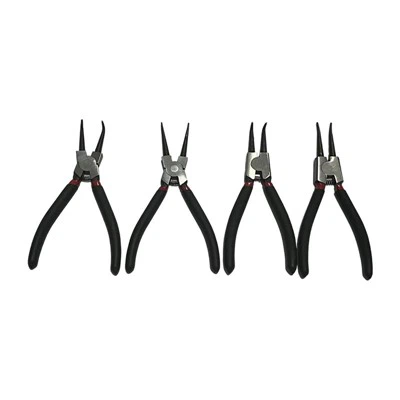
If you're interested in other types of pliers, we also offer a wide range of high - quality products. Check out our Tower Pincer Plier, Circlip Pliers, and Carpenters End Cutting Pliers. These pliers are designed to meet different industrial and DIY needs.
Conclusion
Sharpening Germany Type Bent Nose Pliers is a skill that can significantly extend the lifespan of your tools and improve your work performance. By following the steps and tips mentioned in this blog, you can keep your pliers in excellent condition. If you're in the market for high - quality Germany Type Bent Nose Pliers or any other hand tools, feel free to contact us for more information and to discuss your purchasing needs. We're committed to providing the best products and services to our customers.


References
- "Hand Tool Maintenance Guide" - A comprehensive guide on maintaining various hand tools.
- "The Art of Sharpening" - A book that provides in - depth knowledge about sharpening different types of tools.