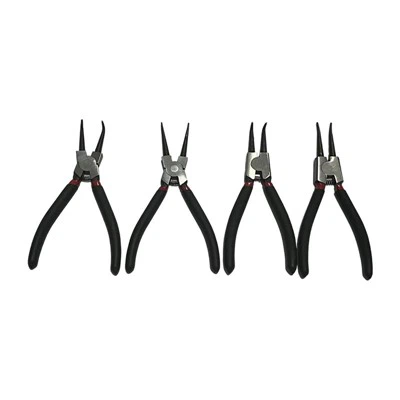
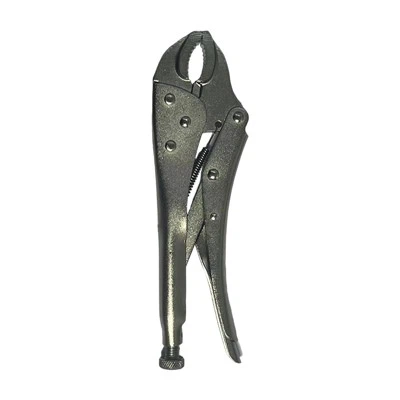
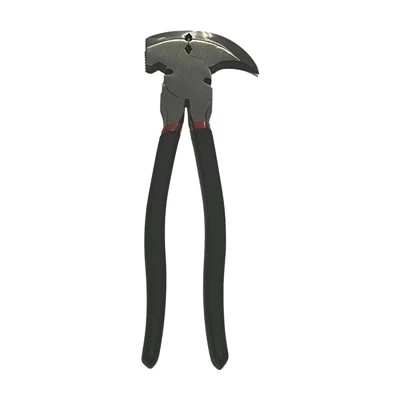
What is the weight of a typical cutting pliers set?
As a supplier of cutting pliers sets, I often get asked about the weight of these essential tools. The weight of a cutting pliers set can vary significantly depending on several factors, including the type of pliers, the materials used in their construction, and their size. In this blog post, I'll delve into these factors to help you understand what to expect when it comes to the weight of a typical cutting pliers set.
Types of Cutting Pliers and Their Weight Characteristics
There are several types of cutting pliers, each designed for specific tasks and with its own weight profile. Let's take a look at some common types:
Tower Pincer Plier
The Tower Pincer Plier is a specialized tool known for its unique design and functionality. These pliers are often used in precision work, such as jewelry making or electronics repair. Due to their relatively small size and the use of lightweight materials in some models, they tend to be on the lighter side. A typical tower pincer plier may weigh anywhere from 2 to 6 ounces (57 to 170 grams). The lighter weight makes them easy to handle for extended periods, reducing fatigue during delicate operations.
Slip Joint Pliers
Slip Joint Pliers are a versatile type of pliers that can be adjusted to grip objects of different sizes. They are commonly used in plumbing, automotive repair, and general household tasks. Slip joint pliers are usually larger and more substantial than tower pincer pliers, and their weight reflects this. A standard set of slip joint pliers can weigh between 8 and 16 ounces (227 to 454 grams). The added weight provides more leverage and strength for gripping and cutting tasks, making them suitable for heavier-duty applications.
Long Reach Flat Nose Plier
Long Reach Flat Nose Pliers are designed to reach into tight spaces and perform precise bending and shaping operations. Their extended jaws and unique shape make them useful in a variety of industries, including electrical work and metalworking. The length of the pliers and the materials used in their construction contribute to their weight. A typical long reach flat nose plier may weigh between 6 and 12 ounces (170 to 340 grams). The weight is balanced to provide both control and the necessary force for the job.
Materials and Their Impact on Weight
The materials used in the construction of cutting pliers play a crucial role in determining their weight. Here are some common materials and how they affect the overall weight of the pliers:
Steel
Steel is one of the most widely used materials for cutting pliers due to its strength, durability, and resistance to wear. High-quality steel pliers can be quite heavy, especially if they are made from thick, solid steel. For example, a set of heavy-duty steel slip joint pliers may weigh more than 16 ounces (454 grams). However, advancements in steel manufacturing have allowed for the production of lighter-weight steel pliers without sacrificing strength. These pliers are often made from thinner steel or use a combination of steel and other materials to reduce weight while maintaining performance.
Aluminum
Aluminum is a lightweight metal that is sometimes used in the construction of cutting pliers, particularly in models designed for applications where weight is a critical factor. Aluminum pliers are significantly lighter than steel pliers, with some models weighing as little as 2 ounces (57 grams). While aluminum is not as strong as steel, it can still provide sufficient strength for many light-duty cutting and gripping tasks. Aluminum pliers are also corrosion-resistant, making them suitable for use in moist or outdoor environments.
Composite Materials
Composite materials, such as fiberglass-reinforced plastic, are increasingly being used in the production of cutting pliers. These materials offer a combination of strength, lightweight, and insulation properties. Composite pliers are often lighter than steel pliers and can be a good choice for electrical work or applications where the user needs to handle the pliers for extended periods. The weight of composite pliers can vary depending on the specific materials used and the design of the pliers, but they typically range from 4 to 10 ounces (113 to 283 grams).
Size and Weight Relationship
The size of the cutting pliers is another important factor that affects their weight. Generally, larger pliers are heavier than smaller ones. This is because larger pliers require more material to construct and have a greater mass. For example, a set of 10-inch long reach flat nose pliers will be heavier than a set of 6-inch long reach flat nose pliers. However, it's important to note that the weight of the pliers should be balanced with the intended use. While larger pliers may provide more leverage and strength, they may also be more difficult to handle in tight spaces or for extended periods.
Why Weight Matters
The weight of the cutting pliers can have a significant impact on the user's experience and the effectiveness of the tool. Here are some reasons why weight matters:
Comfort and Fatigue
Using heavy pliers for an extended period can cause fatigue and discomfort in the hands and wrists. This can lead to decreased productivity and an increased risk of injury. Lighter-weight pliers are easier to handle and can reduce fatigue, allowing the user to work for longer periods without experiencing as much discomfort. This is particularly important for tasks that require precise movements or repeated use of the pliers.
Control and Precision
The weight of the pliers can also affect the user's ability to control the tool and perform precise operations. Heavier pliers can provide more stability and control, especially when cutting through thick or tough materials. However, if the pliers are too heavy, they may be difficult to maneuver in tight spaces or for delicate tasks. Lighter-weight pliers, on the other hand, offer greater flexibility and ease of movement, making them more suitable for precision work.
Strength and Leverage
In some applications, the weight of the pliers is directly related to the amount of strength and leverage they can provide. Heavier pliers can generate more force, making them better suited for cutting through thick wires or gripping large objects. However, it's important to choose the right weight for the job to ensure that the user can handle the pliers safely and effectively.
Choosing the Right Weight for Your Needs
When choosing a cutting pliers set, it's important to consider your specific needs and the type of work you'll be doing. Here are some tips to help you choose the right weight for your needs:
Consider the Task
Think about the types of tasks you'll be using the pliers for. If you'll be doing mostly light-duty work, such as electronics repair or jewelry making, a lighter-weight set of pliers may be more suitable. If you'll be working on heavier-duty tasks, such as plumbing or automotive repair, a heavier set of pliers may be necessary.
Test the Pliers
If possible, try holding the pliers in your hand before making a purchase. Pay attention to how the weight feels and whether it is comfortable to handle. You should also consider the balance of the pliers and how easy it is to open and close the jaws.


Look for a Balance
The ideal weight of the cutting pliers is one that provides a balance between comfort, control, and strength. You don't want the pliers to be too heavy that they cause fatigue or are difficult to handle, but you also don't want them to be too light that they lack the necessary strength for the job.
Conclusion
The weight of a typical cutting pliers set can vary depending on the type of pliers, the materials used in their construction, and their size. Understanding these factors can help you choose the right pliers for your needs and ensure that you have a tool that is comfortable to use and effective for the job. Whether you're a professional tradesperson or a DIY enthusiast, having the right cutting pliers can make all the difference in your work.
If you're interested in purchasing a cutting pliers set or have any questions about our products, please don't hesitate to contact us. We're here to help you find the perfect pliers for your needs and provide you with the best possible service.
References
- "Hand Tools: Selection, Use, and Maintenance." Industrial Press, 2019.
- "The Complete Guide to Pliers." Popular Mechanics, 2020.
- "Materials Science and Engineering: An Introduction." John Wiley & Sons, 2016.