Hey there! As a supplier of wire stripping pliers, I often get asked about the maximum wire diameter that these nifty tools can handle. It's a crucial question, especially for those in the electrical and wiring industries. In this blog, I'll break down the factors that determine the maximum wire diameter for wire stripping pliers and give you some insights into how to choose the right ones for your needs.
First off, let's talk about what wire stripping pliers are. These are specialized hand tools designed to remove the insulation from electrical wires without damaging the conductive core. They come in various shapes and sizes, each tailored to different wire gauges and types of insulation. The maximum wire diameter that a pair of wire stripping pliers can handle depends on several factors, including the design of the pliers, the material of the cutting edges, and the strength of the user's grip.
Design of the Pliers
The design of wire stripping pliers plays a significant role in determining their maximum wire diameter capacity. There are two main types of wire stripping pliers: manual and automatic. Manual wire stripping pliers require the user to apply pressure to the handles to cut through the insulation. These pliers typically have a fixed jaw size, which limits the maximum wire diameter they can strip. On the other hand, automatic wire stripping pliers use a spring-loaded mechanism to cut through the insulation. These pliers can often handle larger wire diameters because they can adjust to the size of the wire.
Another design factor to consider is the shape of the jaws. Some wire stripping pliers have flat jaws, while others have rounded jaws. Flat jaws are better suited for stripping thin wires, while rounded jaws are more effective for stripping thick wires. The shape of the jaws can also affect the quality of the strip. For example, rounded jaws can provide a more even cut, which reduces the risk of damaging the wire.

Material of the Cutting Edges
The material of the cutting edges is another important factor that determines the maximum wire diameter that wire stripping pliers can handle. The cutting edges are the parts of the pliers that come into contact with the insulation and cut through it. They need to be sharp and durable to ensure a clean and precise cut.
The most common materials used for the cutting edges of wire stripping pliers are high-carbon steel and chrome vanadium steel. High-carbon steel is a strong and durable material that can hold a sharp edge for a long time. Chrome vanadium steel is a more expensive material, but it is also more corrosion-resistant and has better toughness. Both materials are suitable for stripping wires, but chrome vanadium steel is often preferred for heavy-duty applications.
Strength of the User's Grip
The strength of the user's grip is also a factor that can affect the maximum wire diameter that wire stripping pliers can handle. Manual wire stripping pliers require the user to apply pressure to the handles to cut through the insulation. If the user has a weak grip, they may not be able to apply enough pressure to cut through thick insulation. In this case, automatic wire stripping pliers may be a better option.
Automatic wire stripping pliers use a spring-loaded mechanism to cut through the insulation, which reduces the amount of pressure required from the user. This makes them easier to use, especially for those with limited hand strength. However, automatic wire stripping pliers can be more expensive than manual wire stripping pliers.
Choosing the Right Wire Stripping Pliers
Now that you know the factors that determine the maximum wire diameter that wire stripping pliers can handle, how do you choose the right ones for your needs? Here are some tips to help you make the right decision:
- Consider the wire diameter: The first thing you need to consider is the maximum wire diameter that you need to strip. Make sure to choose wire stripping pliers that can handle the largest wire diameter you'll be working with.
- Think about the type of insulation: Different types of insulation require different cutting techniques. For example, some types of insulation are thicker and more difficult to cut through than others. Make sure to choose wire stripping pliers that are designed for the type of insulation you'll be working with.
- Choose the right design: As mentioned earlier, there are two main types of wire stripping pliers: manual and automatic. Consider your personal preferences and the type of work you'll be doing when choosing between the two.
- Look for quality: The quality of the wire stripping pliers is important. Look for pliers that are made from high-quality materials and have a durable construction. This will ensure that your pliers last for a long time and provide a reliable performance.
Our Wire Stripping Pliers
At our company, we offer a wide range of wire stripping pliers to meet the needs of different customers. Our pliers are made from high-quality materials and have a durable construction. They are designed to provide a clean and precise cut, even on thick insulation. We also offer automatic wire stripping pliers for those who need to strip large wire diameters or have limited hand strength.
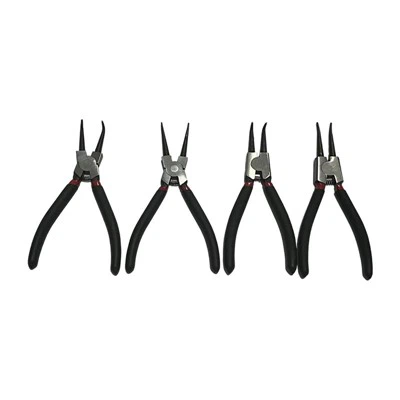
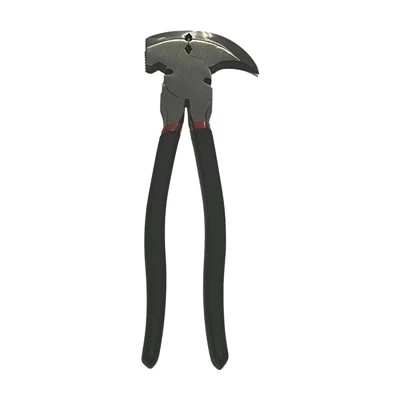
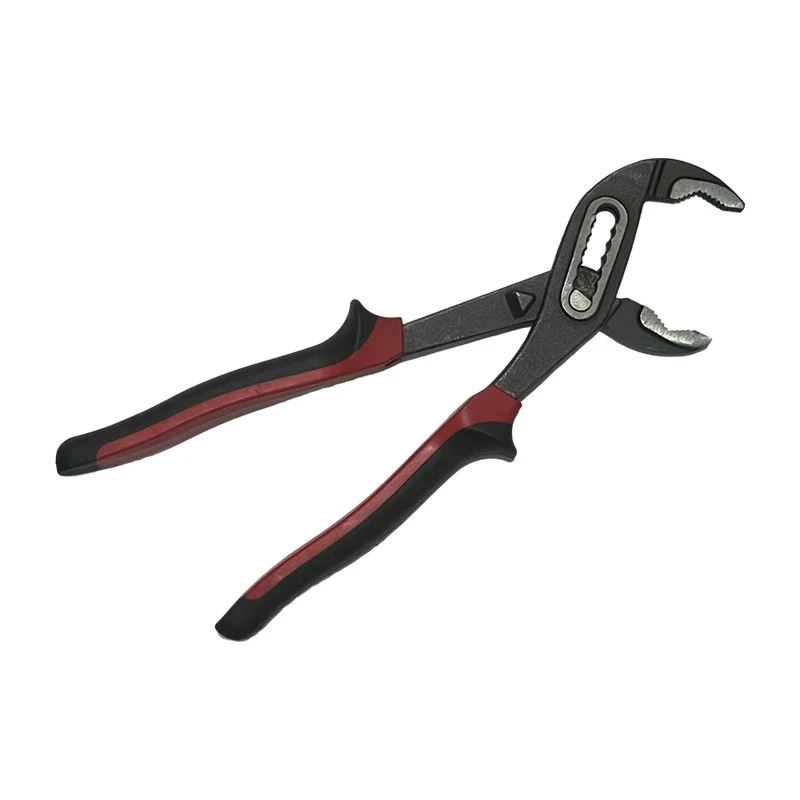
In addition to wire stripping pliers, we also offer other types of pliers, such as Circlip Pliers, Fence Pliers, and Adjustable Water Pump Pliers. Our pliers are available in different sizes and designs to suit different applications.
If you're looking for high-quality wire stripping pliers or other types of pliers, we'd love to hear from you. Contact us today to discuss your needs and learn more about our products. We're always happy to help you find the right tools for your job.
References
- "Hand Tools: A Guide to Selection and Use." Industrial Press, 2019.
- "Electrical Wiring Handbook." McGraw-Hill Education, 2020.