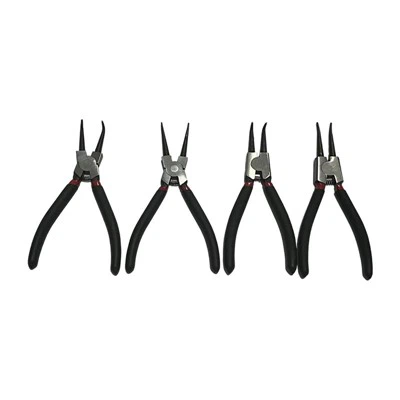
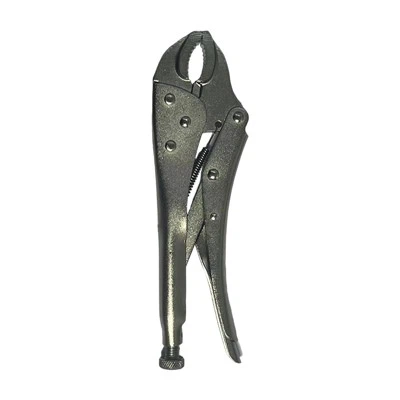
As a supplier of Long Reach Flat Nose Pliers, I'm excited to share with you the detailed manufacturing process of these essential hand tools. Long Reach Flat Nose Pliers are widely used in various industries for tasks such as gripping, bending, and holding small objects with precision. Understanding how they are made can provide valuable insights into their quality and performance.
Material Selection
The first step in the manufacturing process is selecting the right materials. High - quality carbon steel is the most common choice for Long Reach Flat Nose Pliers. This type of steel offers excellent strength, durability, and resistance to wear and corrosion. We source our steel from trusted suppliers who adhere to strict quality standards. The steel is carefully inspected for any impurities or defects before it enters the production line.
Forging
Once the suitable steel is obtained, the forging process begins. Forging is a crucial step as it shapes the raw steel into the basic form of the pliers. The steel is heated to a high temperature, typically around 1000 - 1200 degrees Celsius, until it becomes malleable. Using heavy - duty forging presses, the hot steel is hammered and shaped into the initial plier blanks. This process helps to align the grain structure of the steel, which enhances its strength and toughness.
During forging, the shape of the long reach and the flat nose is carefully formed. The long reach is designed to provide access to hard - to - reach areas, while the flat nose allows for a stable grip on flat or rounded objects. After forging, the plier blanks are allowed to cool slowly to relieve internal stresses and prevent cracking.
Machining
After forging, the plier blanks undergo a series of machining operations. The first machining step is cutting the blanks to the appropriate length. This is done using precision cutting tools to ensure accurate dimensions. Next, the plier jaws are machined to create the smooth, flat surfaces that are characteristic of Long Reach Flat Nose Pliers.
The machining process also includes drilling holes for the pivot pin, which allows the two jaws of the pliers to open and close. The pivot hole must be drilled with high precision to ensure smooth operation of the pliers. Additionally, the outside surfaces of the pliers are machined to remove any rough edges and give them a clean, professional appearance.
Heat Treatment
Heat treatment is a critical step in the manufacturing process as it determines the hardness and toughness of the pliers. After machining, the pliers are heated to a specific temperature and then quenched in a cooling medium, such as oil or water. This rapid cooling process hardens the steel, making it resistant to wear and deformation.
However, hardening the steel also makes it brittle. To reduce brittleness and improve toughness, the pliers are then tempered. Tempering involves heating the hardened pliers to a lower temperature and holding them at that temperature for a specific period of time. This process helps to relieve internal stresses and balance the hardness and toughness of the steel.
Surface Treatment
Once the heat treatment is complete, the pliers undergo surface treatment to protect them from corrosion and improve their appearance. One common surface treatment method is chrome plating. Chrome plating not only provides a shiny, attractive finish but also creates a protective layer that prevents rust and corrosion.
The pliers are first cleaned to remove any dirt, oil, or oxides from their surfaces. Then, they are immersed in a chrome - plating bath, where a thin layer of chrome is deposited onto the steel through an electroplating process. The thickness of the chrome layer is carefully controlled to ensure optimal protection and appearance.
Assembly
After surface treatment, the final step in the manufacturing process is assembly. The pivot pin is inserted through the holes in the two plier jaws, and a spring is added to provide the necessary tension for the jaws to open and close. The spring is carefully calibrated to ensure smooth and consistent operation of the pliers.
The handles of the pliers may also be wrapped with a comfortable grip material, such as rubber or plastic. This grip not only provides a better hold but also reduces hand fatigue during prolonged use. Once the assembly is complete, each pair of pliers is thoroughly inspected to ensure that it meets our strict quality standards.
Quality Control
Quality control is an integral part of the manufacturing process. At every stage, from material selection to final assembly, our pliers are inspected for defects and performance. We use a variety of testing methods, including dimensional checks, hardness testing, and functional testing.
For example, the dimensions of the pliers are measured using precision measuring tools to ensure that they meet the specified tolerances. Hardness testing is done using a hardness tester to verify that the heat treatment has been successful. Functional testing involves opening and closing the pliers multiple times to check for smooth operation and proper jaw alignment.
Comparison with Other Pliers
Long Reach Flat Nose Pliers have unique features that distinguish them from other types of pliers. For instance, compared to Tower Pincer Plier, which are designed for specific tasks such as pulling nails or handling large objects, Long Reach Flat Nose Pliers are more suitable for delicate work and accessing tight spaces.

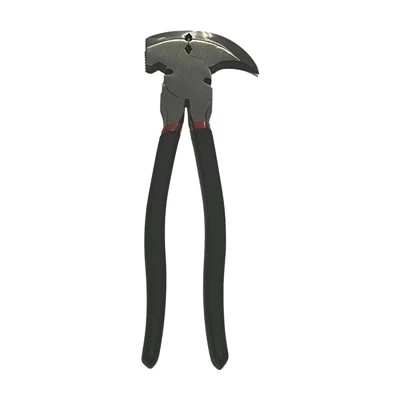
Fence Pliers are specialized for fencing tasks and have different jaw shapes and functions. In contrast, the flat nose of our Long Reach Flat Nose Pliers provides a more versatile gripping surface for a wide range of objects.
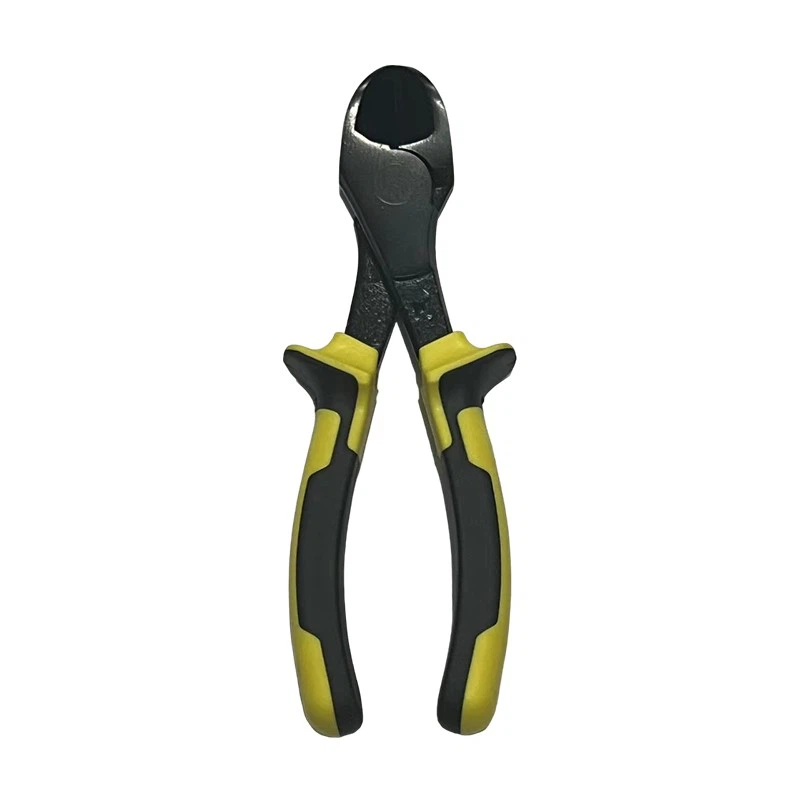
Germany Type Heavy Duty Diagonal Cutting Pliers are mainly used for cutting wires and cables. While they are excellent at cutting, Long Reach Flat Nose Pliers are focused on gripping and bending rather than cutting.
Conclusion
In conclusion, the manufacturing process of Long Reach Flat Nose Pliers is a complex and precise operation that involves multiple steps, from material selection to final assembly. Each step is crucial in ensuring the quality, performance, and durability of the pliers.
If you are in the market for high - quality Long Reach Flat Nose Pliers, we invite you to contact us for a procurement discussion. Our experienced team is ready to assist you in finding the right pliers for your specific needs. Whether you are a professional tradesperson or a DIY enthusiast, our pliers are designed to provide reliable performance and long - lasting service.
References
- Machinery's Handbook, 31st Edition
- ASM Handbook Volume 4: Heat Treating
- ISO Standards for Hand Tools