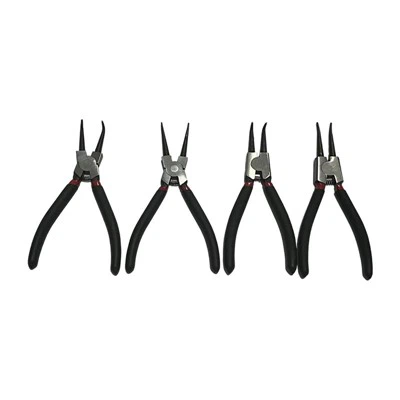
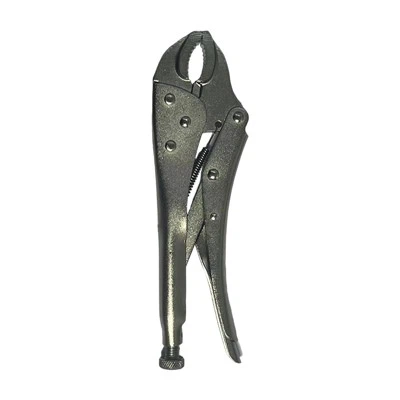
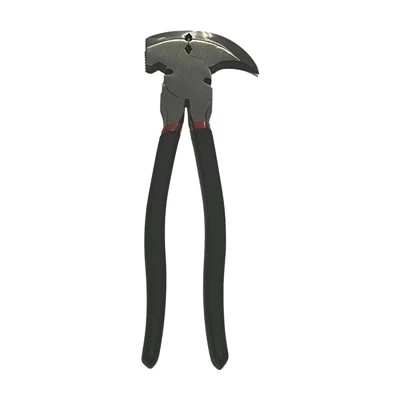
End-cutting pliers, also known as end nippers or flush-cut pliers, are a versatile and essential tool in various industries and DIY projects. As a leading pliers supplier, I have witnessed firsthand the numerous applications and benefits of end-cutting pliers. In this blog post, I will explore the different uses of end-cutting pliers and why they are a must-have tool in any toolbox.
Electrical Work
One of the most common uses of end-cutting pliers is in electrical work. Electricians rely on these pliers to cut wires cleanly and flush with the surface. The sharp, flat jaws of end-cutting pliers allow for precise cutting, ensuring that the wire ends are smooth and free of burrs. This is crucial for preventing short circuits and ensuring proper electrical connections.
When working with electrical wires, it is important to use the right tool for the job. End-cutting pliers are designed specifically for cutting wires, making them more efficient and safer than using other tools such as scissors or knives. They also have a built-in insulation on the handles, which provides protection against electrical shock.
In addition to cutting wires, end-cutting pliers can also be used to strip wire insulation. Some end-cutting pliers have a built-in wire stripper on the jaws, which allows you to quickly and easily remove the insulation from the wire. This is a handy feature for electricians who need to make quick connections.
Jewelry Making
End-cutting pliers are also a popular tool in the jewelry making industry. Jewelers use these pliers to cut small wires, chains, and other jewelry components. The precise cutting ability of end-cutting pliers makes them ideal for creating intricate designs and shapes.
When making jewelry, it is important to have a clean and precise cut. End-cutting pliers provide a smooth and even cut, which is essential for creating high-quality jewelry. They also allow you to cut close to the surface, which is important for creating seamless connections between different components.
In addition to cutting, end-cutting pliers can also be used to bend and shape wires. The flat jaws of the pliers provide a stable surface for bending and shaping, allowing you to create a variety of different shapes and designs.
Model Making
Model makers also rely on end-cutting pliers for a variety of tasks. These pliers are used to cut small parts, such as plastic sprue, wire, and metal rods. The precise cutting ability of end-cutting pliers makes them ideal for creating detailed models.
When working with models, it is important to have a clean and precise cut. End-cutting pliers provide a smooth and even cut, which is essential for creating high-quality models. They also allow you to cut close to the surface, which is important for creating seamless connections between different parts.
In addition to cutting, end-cutting pliers can also be used to bend and shape parts. The flat jaws of the pliers provide a stable surface for bending and shaping, allowing you to create a variety of different shapes and designs.
Automotive and Mechanical Work
End-cutting pliers are also a useful tool in the automotive and mechanical industries. Mechanics use these pliers to cut small wires, cables, and hoses. The precise cutting ability of end-cutting pliers makes them ideal for working in tight spaces and around delicate components.
When working on cars and other mechanical equipment, it is important to have a clean and precise cut. End-cutting pliers provide a smooth and even cut, which is essential for preventing damage to other components. They also allow you to cut close to the surface, which is important for creating a neat and professional-looking finish.
In addition to cutting, end-cutting pliers can also be used to remove small pins and clips. The flat jaws of the pliers provide a stable surface for gripping and pulling, allowing you to easily remove these small components.

Other Uses
In addition to the above applications, end-cutting pliers have many other uses. They can be used to cut fishing line, trim nails, and even open small packages. The versatility of end-cutting pliers makes them a useful tool to have around the house.
When choosing end-cutting pliers, it is important to consider the size and type of the pliers. There are different sizes and types of end-cutting pliers available, each designed for specific applications. For example, if you are working with small wires, you may want to choose a pair of small, precision end-cutting pliers. If you are working with larger wires or cables, you may want to choose a pair of larger, heavy-duty end-cutting pliers.
Another important factor to consider when choosing end-cutting pliers is the quality of the pliers. High-quality end-cutting pliers are made from durable materials and have sharp, precise jaws. They are also designed to be comfortable to use, which is important for preventing hand fatigue.
As a pliers supplier, I offer a wide range of end-cutting pliers to meet the needs of different customers. Whether you are an electrician, jeweler, model maker, or just need a handy tool around the house, I have the right end-cutting pliers for you.
If you are interested in purchasing end-cutting pliers or other types of pliers, please feel free to contact me. I would be happy to help you choose the right tool for your needs and provide you with more information about our products.
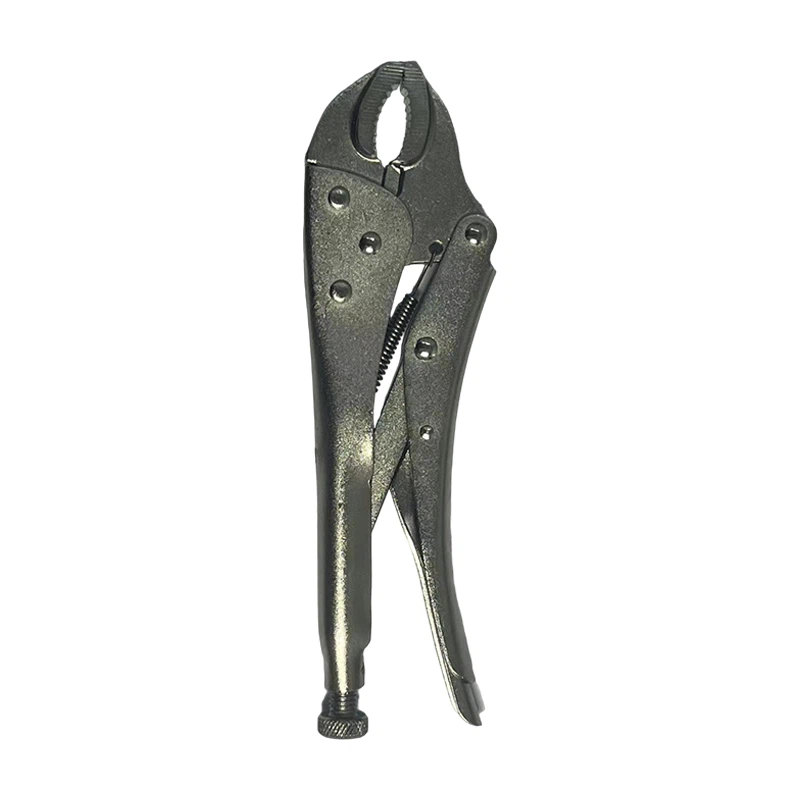
In addition to end-cutting pliers, I also offer a variety of other types of pliers, including Locking Grip Plier, Wire Stripping Pliers, and Fence Pliers. These pliers are all high-quality and designed to meet the needs of different industries and applications.
If you have any questions or need more information about our pliers, please do not hesitate to contact me. I am always happy to help and provide you with the best possible service.
References
- Black, J. T. (2000). Manufacturing Processes for Engineering Materials. John Wiley & Sons.
- Campbell, J. D. (2008). Materials Science and Engineering: An Introduction. John Wiley & Sons.
- Groover, M. P. (2010). Fundamentals of Modern Manufacturing: Materials, Processes, and Systems. John Wiley & Sons.