Troubleshooting problems with wire stripping pliers is an essential skill for anyone who frequently works with wires, whether you're a professional electrician, a DIY enthusiast, or an engineer. As a wire stripping pliers supplier, I've encountered a wide range of issues that users face, and I'm here to share some practical tips on how to diagnose and resolve these problems effectively.


Common Problems with Wire Stripping Pliers and Their Solutions
1. Difficulty in Cutting Wires
One of the most common issues users face is the difficulty in cutting through wires. This can be caused by several factors, including dull blades, incorrect wire gauge selection, or excessive wear and tear on the pliers.
- Dull Blades: Over time, the blades of wire stripping pliers can become dull due to regular use. To check if your blades are dull, try cutting a small piece of wire. If the cut is uneven or requires excessive force, it's likely that your blades need sharpening. You can sharpen the blades using a fine-grit sharpening stone. Gently run the stone along the edge of the blade at a consistent angle, making sure to maintain the original shape of the blade. After sharpening, test the pliers on a scrap wire to ensure they are cutting smoothly.
- Incorrect Wire Gauge Selection: Wire stripping pliers are designed to work with specific wire gauges. Using pliers on wires that are too thick or too thin for their intended capacity can lead to cutting difficulties. Always refer to the manufacturer's guidelines to determine the appropriate wire gauge range for your pliers. If you need to work with a wider range of wire gauges, consider investing in a set of pliers with adjustable jaws or multiple cutting slots.
- Excessive Wear and Tear: Continuous use can cause the moving parts of the pliers to wear out, leading to reduced cutting performance. Inspect the pivot point and the joints of the pliers for signs of excessive wear, such as looseness or misalignment. If you notice any issues, you may need to replace the worn parts. Many manufacturers offer replacement parts for their wire stripping pliers, which can be easily installed with a few basic tools.
2. Inaccurate Wire Stripping
Another common problem is inaccurate wire stripping, where the insulation is not removed cleanly or the wire is damaged during the stripping process.
- Blade Alignment: Misaligned blades can result in uneven stripping or damage to the wire. To check the blade alignment, close the pliers on a scrap wire and examine the cut. If the insulation is not being removed evenly or if the wire is being nicked, the blades may be misaligned. You can try adjusting the blade alignment by loosening the pivot screw slightly and carefully realigning the blades. Once the blades are properly aligned, tighten the pivot screw securely.
- Incorrect Stripping Depth: Setting the correct stripping depth is crucial for clean and accurate wire stripping. Most wire stripping pliers have adjustable depth settings that allow you to control how much insulation is removed. Refer to the manufacturer's instructions to set the appropriate stripping depth for the wire gauge you are working with. If you are unsure, start with a shallow setting and gradually increase the depth until you achieve the desired result.
- Worn Stripping Holes: The stripping holes in the pliers can wear out over time, especially if they are used frequently. Worn stripping holes can cause the insulation to tear or the wire to be damaged. If you notice that the stripping holes are worn, you may need to replace the pliers or use a different set of pliers for more precise stripping.
3. Handle Comfort and Grip Issues
Comfort and grip are important factors when using wire stripping pliers, especially if you are working for extended periods.
- Loose Handles: Loose handles can make the pliers difficult to use and may affect your control over the cutting and stripping process. To fix loose handles, check the pivot screw and tighten it if necessary. If the handle is still loose, there may be a problem with the pivot mechanism or the handle itself. In this case, you may need to contact the manufacturer for further assistance or consider replacing the pliers.
- Poor Grip: A poor grip can lead to slippage and reduced control, increasing the risk of accidents. Make sure the handles of your wire stripping pliers have a non-slip surface. If the grip has worn out, you can try wrapping the handles with grip tape or using rubber grips to improve your hold. Additionally, choose pliers with ergonomic handles that fit comfortably in your hand to reduce fatigue during use.
Other Types of Pliers and Their Applications
In addition to wire stripping pliers, there are several other types of pliers that can be useful in various electrical and mechanical applications. Here are some examples:
- Germany Type Diagonal Cutting Pliers: These pliers are designed for cutting wires and cables at an angle. They are commonly used in electrical work, electronics, and jewelry making. Germany Type Diagonal Cutting Pliers are known for their precision and durability, making them a popular choice among professionals.
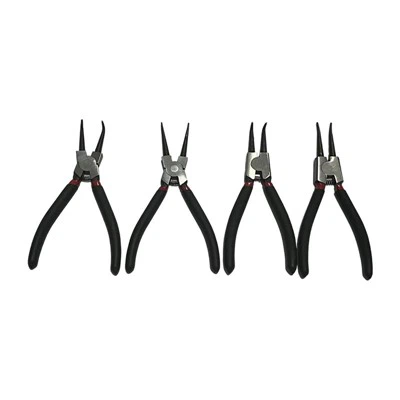
- Circlip Pliers: Circlip pliers are used for installing and removing circlips, which are small metal rings used to secure components in place. They come in different types, including internal and external circlip pliers, depending on the application. Circlip pliers are essential tools in automotive, mechanical, and industrial applications.
- American Type Round Nose Plier: American Type Round Nose Pliers are used for bending and shaping wires into loops and curves. They are commonly used in jewelry making, electrical work, and crafts. These pliers have a rounded tip that allows for smooth and precise bending without damaging the wire.
Conclusion
Troubleshooting problems with wire stripping pliers is a valuable skill that can save you time and money. By understanding the common issues and their solutions, you can keep your wire stripping pliers in good working condition and ensure accurate and efficient wire stripping. If you are experiencing persistent problems with your wire stripping pliers or if you need further assistance, don't hesitate to contact us. As a leading supplier of wire stripping pliers and other hand tools, we are committed to providing high-quality products and excellent customer service. Whether you're a professional or a DIY enthusiast, we have the right tools for your needs. Contact us today to discuss your requirements and explore our wide range of products.
References
- Manufacturer's instructions for wire stripping pliers
- Industry standards and best practices for wire stripping and cutting
- Personal experience and expertise as a wire stripping pliers supplier