A well-sharpened long reach flat nose plier is an indispensable tool in various industries, from electronics repair to jewelry making. As a trusted supplier of long reach flat nose pliers, I understand the importance of maintaining these tools in optimal condition. In this blog, I'll share some effective methods on how to sharpen long reach flat nose pliers, ensuring they remain reliable for your projects.
Understanding the Importance of Sharp Pliers
Before delving into the sharpening process, it's crucial to understand why sharp pliers are essential. Dull pliers can lead to inaccurate cuts, difficulty in gripping small objects, and even damage to the materials you're working with. Sharp edges on long reach flat nose pliers allow for precise manipulation, whether you're bending wires, holding small components, or performing delicate tasks. This precision not only improves the quality of your work but also enhances efficiency, saving you time and effort in the long run.


Tools Required for Sharpening
To sharpen your long reach flat nose pliers effectively, you'll need a few essential tools:
- Bench Stone or Diamond Sharpening Stone: These stones are available in different grits. A coarse grit (around 200 - 400) is suitable for initial shaping and removing dullness, while a fine grit (1000 - 3000) can be used for finishing and achieving a razor - sharp edge.
- Lubricant: Water or honing oil can be used as a lubricant during the sharpening process. Lubrication helps to prevent overheating of the pliers' edges, reduces friction, and carries away metal particles.
- Clamp or Vise: This will hold the pliers securely in place, allowing you to focus on the sharpening process without worrying about the tool moving.
- Wire Brush: A wire brush can be used to clean the pliers before and after sharpening, removing any debris or metal shavings.
Step - by - Step Sharpening Process
Step 1: Preparation
- Clean the Pliers: Use a wire brush to remove any dirt, grease, or debris from the pliers. This ensures that the sharpening surface is clean and free from contaminants that could affect the sharpening process.
- Secure the Pliers: Place the long reach flat nose pliers in a clamp or vise, ensuring that they are firmly held in place. Make sure the jaws are aligned and parallel to the sharpening surface.
Step 2: Initial Sharpening with Coarse Grit Stone
- Apply Lubricant: Pour a small amount of lubricant (water or honing oil) onto the coarse grit bench stone or diamond sharpening stone.
- Sharpen the Edges: Hold the stone at a consistent angle (usually around 20 - 30 degrees) against the edge of the pliers' jaws. Move the stone in a smooth, even motion along the edge, applying gentle pressure. Make sure to cover the entire length of the edge. Repeat this process on both sides of the jaws, alternating between strokes to ensure an even sharpening.
- Check the Progress: Periodically check the sharpness of the edges by running your finger carefully (but safely) along the edge. You should feel a burr forming on the opposite side of the edge being sharpened. This burr indicates that the metal is being reshaped.
Step 3: Finishing with Fine Grit Stone
- Change to Fine Grit Stone: Once the initial sharpening with the coarse grit stone is complete, switch to a fine grit stone. Apply lubricant to the fine grit stone as well.
- Refine the Edge: Repeat the sharpening process on the fine grit stone, using the same angle and motion as before. This step will remove the burr created during the coarse sharpening and create a smooth, sharp edge. Make several passes on each side of the jaws to achieve the desired sharpness.
Step 4: Deburring
- Remove the Burr: After sharpening with the fine grit stone, there may still be a small burr remaining on the edge. To remove the burr, gently run the edge of the pliers against a leather strop or a smooth, hard surface at a very low angle. This will flip the burr over and remove it, leaving a clean, sharp edge.
Step 5: Cleaning and Testing
- Clean the Pliers: Use a wire brush to clean the pliers again, removing any metal shavings or lubricant residue.
- Test the Sharpness: Test the sharpness of the pliers by performing a simple task, such as gripping a small wire or bending a thin piece of metal. The pliers should grip firmly and perform the task with ease.
Maintenance Tips for Long - Lasting Sharpness
- Regular Cleaning: After each use, clean the pliers to remove any dirt, grease, or debris. This prevents corrosion and keeps the edges in good condition.
- Proper Storage: Store the pliers in a dry place, preferably in a toolbox or a case. This protects them from moisture and physical damage.
- Avoid Overloading: Do not use the pliers for tasks beyond their recommended capacity. Overloading can cause the edges to dull or even break.
Related Pliers Products
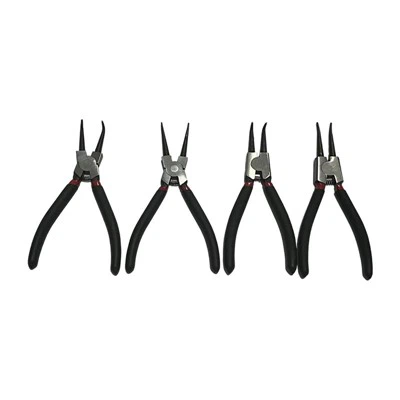
In addition to long reach flat nose pliers, we also offer a wide range of other high - quality pliers, such as Germany Type Combination Pliers, Wire Stripping Pliers, and Circlip Pliers. These pliers are designed to meet the diverse needs of different industries and applications.
Contact Us for Purchasing
If you're interested in our long reach flat nose pliers or any of our other products, we invite you to contact us for a detailed discussion. Our team of experts is ready to assist you in finding the right tools for your specific requirements. Whether you're a professional tradesperson or a DIY enthusiast, we have the tools to help you get the job done right.
References
- "Hand Tools: Selection, Use, and Maintenance" by Peter G. Gray
- "The Complete Guide to Sharpening" by Leonard Lee