Slip joint pliers are a staple in many toolkits, known for their versatility and ability to handle a wide range of tasks. As a trusted slip joint pliers supplier, I understand the importance of proper maintenance to ensure these tools remain in top - notch condition and deliver consistent performance over time. In this blog post, I'll share some essential tips on how to maintain slip joint pliers effectively.
Understanding Slip Joint Pliers
Before delving into maintenance, it's crucial to understand the basic design and function of slip joint pliers. These pliers feature an adjustable pivot point, allowing the jaws to open to different widths. This design makes them suitable for gripping various sizes of objects, from small nuts and bolts to larger pipes. The jaws are typically serrated for better grip, and the handles are often insulated for safety when working with electrical components.
Regular Cleaning
One of the simplest yet most important steps in maintaining slip joint pliers is regular cleaning. After each use, it's advisable to wipe down the pliers with a clean, dry cloth to remove any dirt, debris, or moisture. If the pliers have been used in a particularly dirty or greasy environment, you may need to use a mild solvent or degreaser.
To clean the pliers more thoroughly, soak them in a container filled with the solvent for a few minutes. Then, use a soft - bristled brush to scrub away any stubborn grime, especially in the joints and serrations. After cleaning, rinse the pliers with clean water and dry them completely to prevent rusting.
Lubrication
Proper lubrication is essential for the smooth operation of slip joint pliers. The moving parts, such as the pivot point and the adjustment mechanism, need to be lubricated regularly to reduce friction and wear. A high - quality lubricant, such as silicone oil or light machine oil, is recommended.
Apply a small amount of lubricant to the pivot point and other moving parts. Then, open and close the pliers several times to distribute the lubricant evenly. Wipe off any excess lubricant to prevent it from attracting dirt and debris.
Inspection for Wear and Damage
Regularly inspecting your slip joint pliers for wear and damage is crucial. Check the jaws for signs of excessive wear, such as rounded or chipped serrations. Worn - out jaws can reduce the pliers' gripping ability, making them less effective. If you notice significant wear, it may be time to replace the pliers or have the jaws professionally re - serrated.
Inspect the handles for cracks or breaks, especially if the pliers have been subjected to heavy use or impact. Damaged handles can compromise the user's safety and the overall functionality of the pliers. Additionally, check the adjustment mechanism to ensure it operates smoothly and securely. If the adjustment is loose or difficult to change, it may need to be tightened or repaired.
Proper Storage
How you store your slip joint pliers can significantly impact their lifespan. Always store the pliers in a dry, clean place. Avoid leaving them in damp or humid environments, as this can lead to rusting.
You can use a toolbox or a dedicated tool rack to store the pliers. Make sure they are not crowded or pressed against other tools, as this can cause damage. If possible, store the pliers with the jaws closed to prevent them from getting bent or misaligned.
Avoiding Overloading
Slip joint pliers are designed to handle a certain amount of force. Overloading them can cause damage to the jaws, the pivot point, or the adjustment mechanism. When using the pliers, make sure to choose the appropriate size and type of object for the pliers' capacity.
For example, don't use small - sized slip joint pliers to grip large, heavy objects. If you need to work with larger items, consider using larger - sized pliers or other specialized tools.
Sharpening the Jaws
Over time, the serrations on the jaws of slip joint pliers may become dull. While it's not as common as with cutting tools, sharpening the jaws can sometimes restore their gripping ability. You can use a fine - toothed file to carefully sharpen the serrations.


When sharpening, follow the original contour of the serrations and be careful not to remove too much material. After sharpening, test the pliers to ensure they grip objects effectively.
Dealing with Rust
Rust is one of the biggest enemies of slip joint pliers. If you notice any signs of rust on the pliers, it's important to address it immediately. For minor rust, you can use a wire brush or sandpaper to gently remove the rust. Then, clean and lubricate the affected area to prevent further rusting.
For more severe rust, you may need to use a rust remover. Follow the instructions on the rust remover product carefully. After removing the rust, make sure to protect the pliers with a thin layer of lubricant or a rust - preventive coating.
Related Products
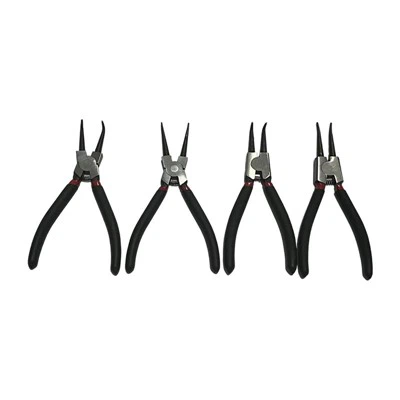
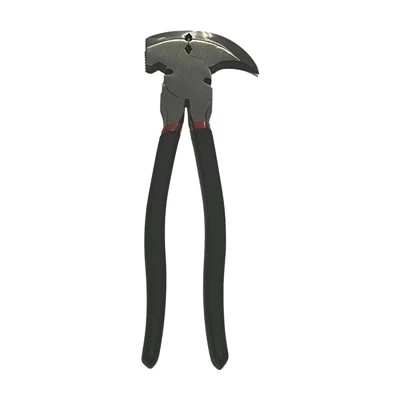
If you're interested in expanding your toolkit, we also offer a variety of other pliers, such as Fence Pliers, American Type Round Nose Plier, and Germany Type Long Nose Pliers. These pliers are designed for specific tasks and can complement your slip joint pliers.
Contact for Purchase and Consultation
Maintaining your slip joint pliers properly is key to their long - term performance and reliability. If you have any questions about maintaining your pliers or are interested in purchasing high - quality slip joint pliers and other related products, feel free to reach out to us. We're here to provide you with the best advice and products to meet your needs.
References
- "Hand Tools: Selection, Use, and Maintenance" by the American Society of Mechanical Engineers.
- "The Complete Guide to Tool Care" by various industry experts.