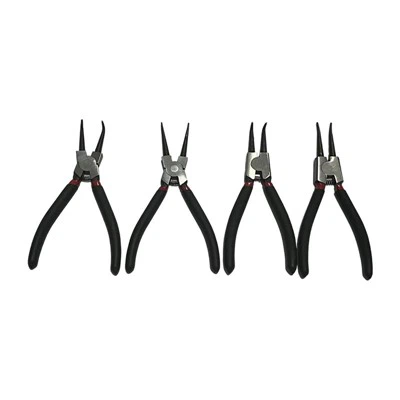
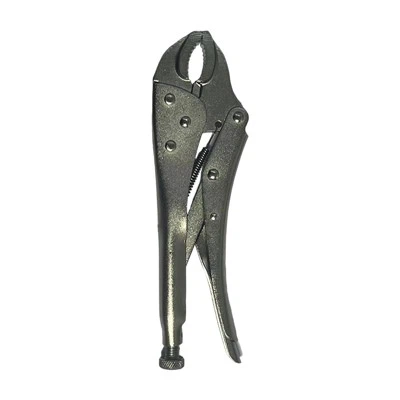
Cutting pliers sets are essential tools in various industries, from electrical work and automotive repair to jewelry making and general household maintenance. As a cutting pliers set supplier, I often get asked about the materials used in making these versatile tools. Understanding the materials is crucial as it directly impacts the performance, durability, and cost of the pliers. In this blog post, I'll delve into the common materials used in cutting pliers sets and their characteristics.
Carbon Steel
Carbon steel is one of the most widely used materials for cutting pliers sets. It is an alloy of iron and carbon, with the carbon content typically ranging from 0.6% to 1.5%. This material is favored for its excellent hardness and wear resistance, which are essential properties for cutting through various materials.
One of the main advantages of carbon steel pliers is their affordability. They offer a good balance between performance and cost, making them a popular choice for both professional and DIY users. Carbon steel pliers can effectively cut through soft to medium-hard materials such as wires, nails, and thin metal sheets.
However, carbon steel is prone to rusting, especially when exposed to moisture or corrosive environments. To mitigate this issue, manufacturers often apply a protective coating, such as chrome plating or black oxide finish, to the pliers. These coatings not only enhance the appearance of the pliers but also provide a barrier against rust and corrosion.
Alloy Steel
Alloy steel is another common material used in cutting pliers sets. It is a type of steel that contains additional alloying elements, such as chromium, vanadium, molybdenum, and nickel, in addition to carbon. These alloying elements improve the mechanical properties of the steel, making it stronger, harder, and more resistant to wear and corrosion than carbon steel.
Alloy steel pliers are known for their high performance and durability. They can withstand heavy use and are suitable for cutting through tough materials, such as high-tensile wires, hardened steel, and stainless steel. The addition of alloying elements also enhances the toughness of the steel, reducing the risk of the pliers breaking or chipping during use.


One of the drawbacks of alloy steel pliers is their higher cost compared to carbon steel pliers. However, the superior performance and longer lifespan of alloy steel pliers often justify the additional investment, especially for professional users who rely on their tools for daily work.
Stainless Steel
Stainless steel is a popular choice for cutting pliers sets, particularly in applications where corrosion resistance is a primary concern. It is an alloy of iron, chromium, and other elements, with a minimum chromium content of 10.5%. The chromium forms a thin, protective oxide layer on the surface of the steel, which prevents rust and corrosion.
Stainless steel pliers offer excellent corrosion resistance, even in harsh environments, such as marine or chemical industries. They are also hygienic and easy to clean, making them suitable for use in food processing, medical, and laboratory applications.
In addition to their corrosion resistance, stainless steel pliers are known for their aesthetic appeal. They have a shiny, polished finish that gives them a professional look. However, stainless steel is relatively softer than carbon steel and alloy steel, which means that stainless steel pliers may not be as effective in cutting through hard materials.
Tool Steel
Tool steel is a high-quality steel that is specifically designed for use in tools and dies. It is an alloy of carbon, chromium, vanadium, molybdenum, and other elements, and it is known for its exceptional hardness, wear resistance, and heat resistance.
Tool steel pliers are the top choice for professional users who require the highest level of performance and durability. They can cut through the toughest materials, such as high-strength wires, hardened bolts, and thick metal sheets, with ease. Tool steel pliers are also resistant to deformation and can maintain their cutting edge for a long time, even under heavy use.
However, tool steel pliers are the most expensive option, and they require proper care and maintenance to ensure their longevity. They are also more brittle than other types of steel, which means that they may be prone to cracking or breaking if used incorrectly.
Other Materials
In addition to the above-mentioned materials, some cutting pliers sets may also incorporate other materials, such as plastic, rubber, or wood, in their construction. These materials are typically used for the handles of the pliers to provide a comfortable and secure grip.
Plastic handles are lightweight, affordable, and easy to mold into different shapes. They are often used in budget-friendly pliers sets. Rubber handles, on the other hand, offer a better grip and are more comfortable to hold, especially for extended periods of use. They are commonly found in high-quality pliers sets. Wood handles are less common but are preferred by some users for their traditional look and feel.
Conclusion
As a cutting pliers set supplier, I understand the importance of using high-quality materials in the manufacturing of our products. The choice of material depends on various factors, such as the intended application, the level of performance required, and the budget. Carbon steel pliers are a popular choice for their affordability and good performance, while alloy steel pliers offer superior durability and cutting power. Stainless steel pliers are ideal for applications where corrosion resistance is a concern, and tool steel pliers are the top choice for professional users who demand the highest level of performance.
If you're in the market for a cutting pliers set, I encourage you to consider the materials used in the construction of the pliers. By choosing the right material, you can ensure that you get a tool that will meet your needs and provide reliable performance for years to come.
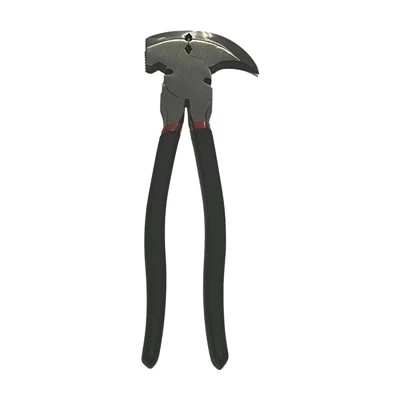
We offer a wide range of cutting pliers sets made from high-quality materials, including American Type Diagonal Cutting Pliers, Fence Pliers, and Wire Stripping Pliers. If you have any questions or would like to discuss your specific requirements, please don't hesitate to contact us. We're here to help you find the perfect cutting pliers set for your needs.
References
- ASM Handbook Volume 1: Properties and Selection: Irons, Steels, and High-Performance Alloys. ASM International.
- Machinery's Handbook. Industrial Press.
- Tool Steel Selection Guide. Carpenter Technology Corporation.