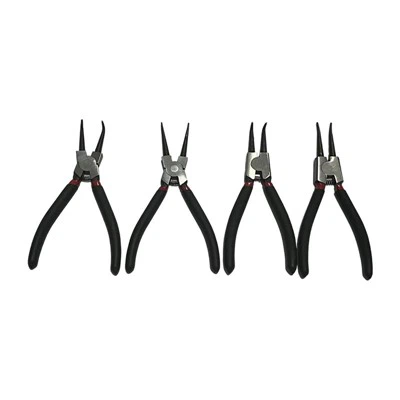
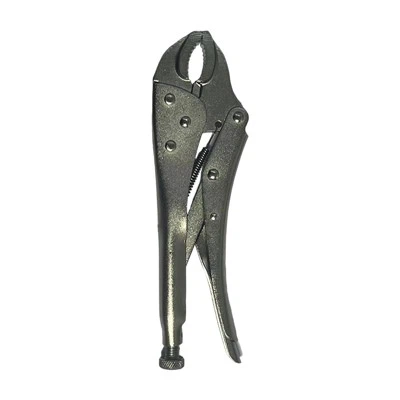
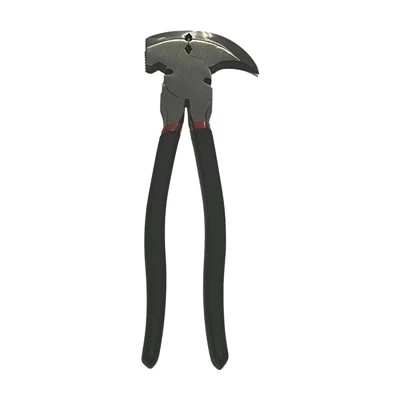
As a long reach flat nose pliers supplier, I often get asked about how to check the quality of these handy tools. In this blog, I'll share some practical tips based on my experience in the industry.
1. Material Quality
The first thing you should look at is the material of the long reach flat nose pliers. High - quality pliers are usually made from high - carbon steel or alloy steel. These materials offer excellent strength and durability.
When you hold the pliers in your hand, check for any signs of rust or corrosion on the surface. Rust can weaken the pliers over time and make them less effective. A smooth, clean surface is a good sign. You can also try to bend the pliers slightly. If they bend easily or show any signs of deformation, then the material quality might be poor. Good quality long reach flat nose pliers should be rigid and not give in easily to minor pressure.
2. Joint and Hinge
The joint and hinge are crucial parts of the pliers. They determine how smoothly the pliers can open and close. Take a close look at the joint area. It should be well - made and free of any cracks or loose parts.
Open and close the pliers several times. They should move smoothly without any sticking or grinding noises. If you feel any resistance or hear strange sounds, it could mean that the joint is poorly lubricated or has been damaged during manufacturing. A well - functioning joint ensures that the pliers can grip objects firmly and perform tasks efficiently.
3. Grip Surface
The grip surface of the pliers plays an important role in user comfort and control. It should have a non - slip texture. You can run your fingers over the grip area to feel the texture. A good grip surface will prevent the pliers from slipping out of your hand when you're working, especially if your hands are wet or oily.
Check for any rough edges on the grip. Rough edges can be uncomfortable to hold and may even cause blisters after prolonged use. The grip should also fit well in your hand. If it's too thick or too thin, it can make it difficult to operate the pliers effectively.
4. Cutting Edge (if applicable)
Some long reach flat nose pliers also have a cutting edge. If your pliers have one, it's important to check its quality. The cutting edge should be sharp and straight. You can test the sharpness by trying to cut through a thin piece of wire or a piece of paper. If the cutting is clean and easy, then the cutting edge is in good condition.
Inspect the cutting edge for any nicks or chips. These can affect the cutting performance and may cause the wire or material you're cutting to fray instead of making a clean cut. A damaged cutting edge will need to be sharpened or the pliers may need to be replaced.
5. Precision and Alignment
Precision is key when it comes to long reach flat nose pliers. The jaws of the pliers should align perfectly when they are closed. You can check this by closing the pliers and looking at the gap between the jaws. There should be minimal to no gap.
If the jaws don't align properly, the pliers won't be able to grip objects tightly. This can lead to slippage and make it difficult to perform tasks accurately. You can also try to grip a small object, like a nail or a small screw, with the pliers. If the object doesn't stay firmly in place, then there may be an alignment issue.
6. Brand Reputation and Customer Reviews
When you're checking the quality of long reach flat nose pliers, don't forget to consider the brand reputation. Well - established brands often have a better quality control process and are more likely to produce high - quality tools. You can search online for reviews from other customers who have used the pliers.
Look for reviews that specifically mention the quality, durability, and performance of the pliers. Positive reviews can give you confidence in your purchase, while negative reviews can alert you to potential problems. You can also ask for recommendations from other professionals in your field, like carpenters or mechanics.

Comparison with Other Pliers
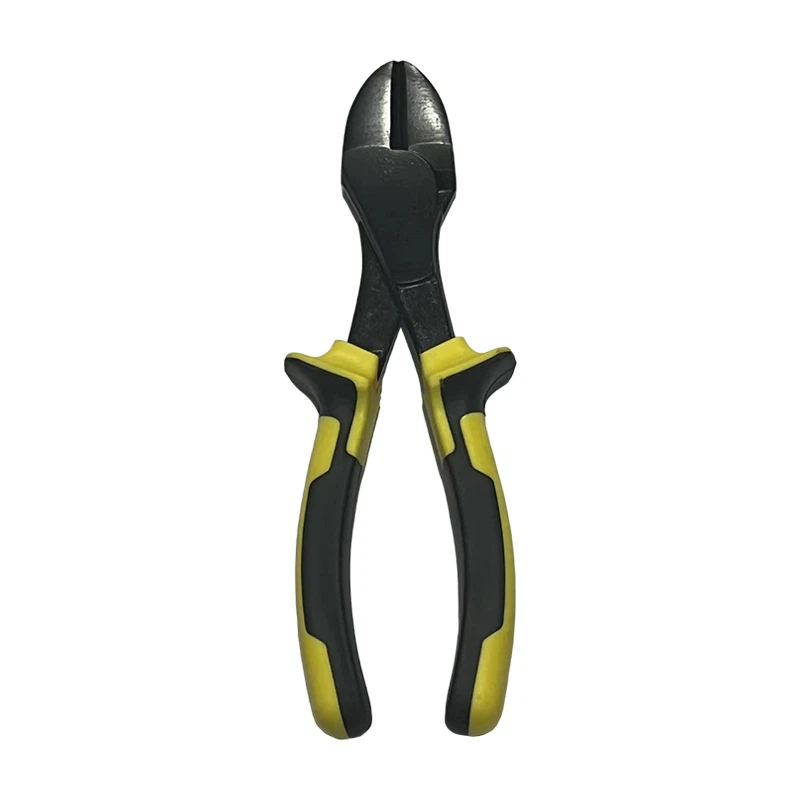
If you're still unsure about the quality of the long reach flat nose pliers, you can compare them with other types of pliers. For example, you can check out Carpenters End Cutting Pliers, Germany Type Heavy Duty Diagonal Cutting Pliers, and Germany Type Long Nose Pliers. By comparing the features, materials, and performance of these different pliers, you can get a better idea of what to expect from the long reach flat nose pliers.
Conclusion
Checking the quality of long reach flat nose pliers involves looking at multiple aspects, including the material, joint, grip, cutting edge, precision, and brand reputation. By paying attention to these details, you can ensure that you're getting a high - quality tool that will serve you well for a long time.
If you're in the market for long reach flat nose pliers and have any questions about quality, performance, or pricing, don't hesitate to reach out for a procurement discussion. We're here to help you make the best choice for your needs.
References
- General knowledge from years of experience in the hand - tools industry.
- Discussions with other professionals in the hand - tools field.