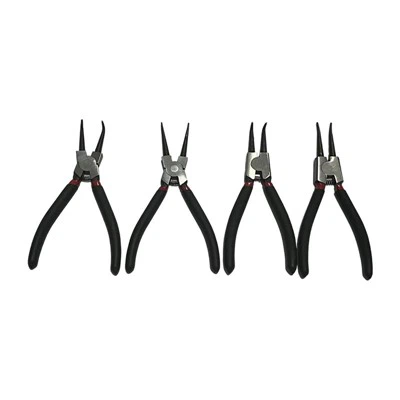
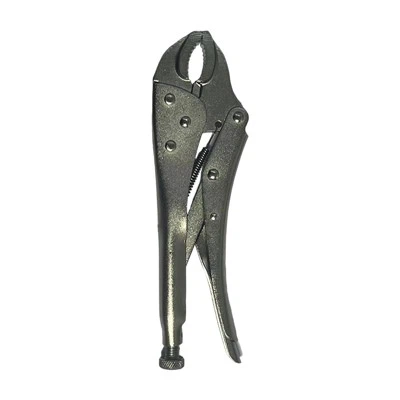
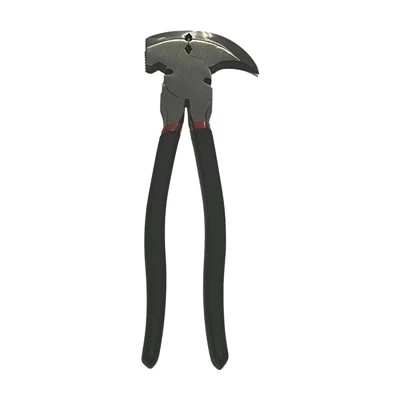
In the realm of hand tools, Germany Type Bent Nose Pliers have long held a reputation for their precision, durability, and functionality. As a prominent supplier of these high - quality tools, I often encounter questions from customers about the materials used in their construction, particularly the steel composition. One commonly asked question is whether Germany Type Bent Nose Pliers have a high - carbon steel construction. In this blog post, I'll delve into the details of this query, exploring the properties of high - carbon steel, the manufacturing process of these pliers, and the implications for users.
Properties of High - Carbon Steel
High - carbon steel is a type of steel that contains a relatively high percentage of carbon, typically ranging from 0.6% to 1.5%. This elevated carbon content gives high - carbon steel several distinctive properties that make it suitable for a variety of applications, especially in the production of hand tools.
One of the most notable properties of high - carbon steel is its exceptional hardness. The presence of carbon atoms in the steel's crystal lattice structure restricts the movement of dislocations, making the material more resistant to deformation. As a result, tools made from high - carbon steel can maintain their sharp edges and cutting surfaces for longer periods, even when subjected to heavy use.
In addition to hardness, high - carbon steel also exhibits excellent wear resistance. This property allows the pliers to withstand the abrasive forces generated during gripping, cutting, and bending operations without significant wear or damage. Consequently, Germany Type Bent Nose Pliers made from high - carbon steel are more likely to have a longer service life compared to those made from other types of steel.
Another advantage of high - carbon steel is its ability to be heat - treated. Heat treatment processes, such as quenching and tempering, can be used to further enhance the hardness, strength, and toughness of the steel. By carefully controlling the heating and cooling rates, manufacturers can tailor the properties of the steel to meet the specific requirements of the pliers. For example, a higher hardness can be achieved for cutting applications, while a greater toughness can be obtained for applications that involve heavy bending or gripping.


Manufacturing Process of Germany Type Bent Nose Pliers
The manufacturing process of Germany Type Bent Nose Pliers involves several key steps, from raw material selection to final finishing. When it comes to the steel used in these pliers, high - carbon steel is often the material of choice for many manufacturers due to its desirable properties.
The first step in the manufacturing process is the selection of high - quality high - carbon steel. The steel is typically sourced from reputable suppliers who adhere to strict quality control standards. Once the steel is received, it undergoes a series of inspections to ensure that it meets the required specifications in terms of chemical composition, hardness, and other properties.
After the steel has been inspected and approved, it is cut into the appropriate sizes and shapes using precision cutting tools. The cut pieces are then heated to a specific temperature in a furnace and forged into the basic shape of the pliers. Forging is a critical step in the manufacturing process as it helps to refine the grain structure of the steel, improving its strength and toughness.
Following the forging process, the pliers are subjected to heat treatment. As mentioned earlier, heat treatment is used to enhance the hardness, strength, and toughness of the steel. The pliers are first heated to a high temperature and then rapidly cooled (quenched) in a suitable medium, such as oil or water. This process hardens the steel but also makes it brittle. To reduce the brittleness and improve the toughness, the pliers are then tempered by heating them to a lower temperature and holding them at that temperature for a specific period of time.
Once the heat treatment is complete, the pliers are machined to achieve the desired dimensions and surface finish. This includes grinding, polishing, and sharpening the cutting edges and jaws. The pliers are also tested to ensure that they meet the required performance standards in terms of gripping force, cutting ability, and durability.
Finally, the pliers are assembled with handles, which are typically made from materials such as plastic, rubber, or wood. The handles are designed to provide a comfortable and secure grip, reducing hand fatigue during use.
Implications for Users
The use of high - carbon steel in the construction of Germany Type Bent Nose Pliers has several implications for users. Firstly, the high hardness and wear resistance of the steel mean that the pliers can be used for a wide range of applications, from delicate electronic work to heavy - duty industrial tasks. The sharp edges and cutting surfaces of the pliers can easily cut through wires, cables, and other materials, while the strong jaws can grip and hold objects firmly in place.
Secondly, the long service life of high - carbon steel pliers means that users can expect to get many years of reliable use from their tools. This not only saves money in the long run but also reduces the need for frequent tool replacements, which can be time - consuming and costly.
Thirdly, the ability of high - carbon steel to be heat - treated allows manufacturers to produce pliers with different levels of hardness and toughness, depending on the specific requirements of the application. For example, pliers with a higher hardness can be used for cutting hard materials, while those with a greater toughness can be used for applications that involve heavy bending or gripping.
Other Types of Pliers in Our Product Range
In addition to Germany Type Bent Nose Pliers, we also offer a wide range of other pliers to meet the diverse needs of our customers. Our Mini Pliers Set is perfect for precision work, such as jewelry making, electronics repair, and model building. The set includes a variety of small pliers with different shapes and functions, allowing users to tackle a wide range of tasks with ease.
Our Long Reach Nose Plier is designed for applications where access to hard - to - reach areas is required. The long, slender jaws of the plier allow users to grip and manipulate objects in tight spaces, making it ideal for automotive repair, plumbing, and other industries.
We also offer Slip Joint Pliers, which are versatile tools that can be adjusted to different jaw openings. These pliers are commonly used for gripping, turning, and holding objects of various sizes, making them a must - have tool for any toolbox.
Contact for Procurement and洽谈
If you are interested in purchasing Germany Type Bent Nose Pliers or any of our other pliers products, please do not hesitate to contact us. We have a team of experienced sales representatives who can provide you with detailed product information, pricing, and delivery options. Whether you are a professional tradesperson, a DIY enthusiast, or a large - scale industrial customer, we are committed to providing you with the highest quality tools at competitive prices.
References
- "Handbook of Steel Selection" by George E. Totten, David Scott MacKenzie
- "Tool and Manufacturing Engineers Handbook, Volume 2: Machining" by Tool and Manufacturing Engineers Association