The lifespan of carpenters' end cutting pliers is a crucial concern for both professionals and DIY enthusiasts. As a supplier of high - quality carpenters' end cutting pliers, I've had the opportunity to observe and analyze how long these essential tools can last under different circumstances.
Factors Affecting the Lifespan of Carpenters' End Cutting Pliers
Quality of Materials
The materials used in the manufacturing of end cutting pliers play a significant role in determining their longevity. High - grade steel is the gold standard for these tools. Steel with a proper carbon content and heat treatment can withstand the stress of cutting various materials, from soft wires to tougher nails. For instance, pliers made from chrome - vanadium steel are known for their excellent strength and resistance to corrosion. This type of steel can maintain its sharp cutting edges for a longer time compared to lower - quality alternatives. Our German Type End Cutting Pliers are crafted from premium chrome - vanadium steel, ensuring durability and long - lasting performance.
Frequency of Use
How often the pliers are used is another critical factor. Professional carpenters who use their end cutting pliers on a daily basis for extended periods will naturally experience more wear and tear than hobbyists who only use them occasionally. A professional might use the pliers to cut dozens or even hundreds of nails and wires in a single day. Over time, this constant use can cause the cutting edges to dull and the jaws to lose their alignment. On the other hand, a DIYer who only uses the pliers a few times a month for small home projects may find that their pliers remain in good condition for years.
Type of Material Being Cut
The materials being cut also have a direct impact on the lifespan of the pliers. Cutting soft materials like copper or aluminum wires is much less demanding on the pliers than cutting hardened steel nails or screws. Hard materials can cause the cutting edges to chip or wear down more quickly. Carpenters who frequently work with heavy - duty materials need to be more vigilant about the condition of their pliers and may need to replace them more often. For example, if you are regularly cutting through thick, high - strength steel, you might notice that the cutting edges of your pliers start to show signs of damage after just a few weeks of use.
Maintenance and Care
Proper maintenance and care can significantly extend the lifespan of carpenters' end cutting pliers. Regular cleaning after use helps prevent the buildup of debris, rust, and corrosion. After each use, it's a good practice to wipe the pliers with a clean, dry cloth. Lubricating the pivot point periodically can also ensure smooth operation and reduce friction, which in turn reduces wear on the moving parts. Additionally, storing the pliers in a dry place and protecting them from moisture can prevent rusting. If the pliers do start to show signs of dullness, having them sharpened by a professional can restore their cutting performance and add years to their lifespan.
Average Lifespan Estimates
Based on my experience as a supplier, for occasional DIY use, carpenters' end cutting pliers can last anywhere from 5 to 10 years. These users typically use the pliers for light - duty tasks such as trimming wires or cutting small nails in home improvement projects. The relatively infrequent use and the less demanding nature of the tasks mean that the pliers don't experience a high level of wear.
For semi - professional carpenters who use the pliers a few times a week, the lifespan might be around 2 to 5 years. These users are likely to encounter a wider range of materials and perform more frequent cutting operations, which gradually wear down the pliers.
Professional carpenters who rely on their end cutting pliers daily for heavy - duty work can expect the pliers to last between 1 to 2 years. The constant use, combined with the cutting of tough materials, takes a toll on the pliers, and they may need to be replaced more frequently to maintain optimal performance.
Comparing with Other Types of Pliers
It's interesting to compare the lifespan of carpenters' end cutting pliers with other types of pliers. Slip Joint Pliers, for example, are designed for gripping rather than cutting. They typically have a longer lifespan because the stress on the jaws is more evenly distributed during gripping operations. Slip joint pliers are often used for tasks like holding pipes or tightening nuts, and as long as they are not subjected to excessive force or abuse, they can last for many years, even with regular professional use.
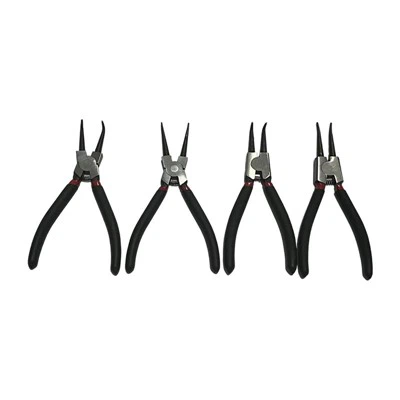
Circlip Pliers are specialized for installing and removing circlips. These pliers have a more delicate design and are used for very specific tasks. Their lifespan can vary depending on the frequency of use and the type of circlips being handled. If used properly and for their intended purpose, they can last a long time, but improper use or attempting to use them on overly large or hard circlips can quickly damage them.
Extending the Lifespan of Your Pliers
To get the most out of your carpenters' end cutting pliers, here are some additional tips:


- Use the Right Pliers for the Job: Don't try to use your end cutting pliers for tasks they are not designed for. For example, using them to pry open objects can cause the jaws to bend or break.
- Avoid Overloading: Don't try to cut materials that are too thick or hard for the pliers. This can cause excessive stress on the cutting edges and lead to premature wear.
- Inspect Regularly: Check the pliers for signs of damage, such as dull cutting edges, loose joints, or cracks. Catching these issues early can allow you to take corrective action before the problem gets worse.
Conclusion
The lifespan of carpenters' end cutting pliers depends on a variety of factors, including the quality of materials, frequency of use, type of material being cut, and maintenance. While it's difficult to give an exact lifespan, by understanding these factors and taking proper care of your pliers, you can ensure that they serve you well for as long as possible.
If you're in the market for high - quality carpenters' end cutting pliers or other types of pliers, I invite you to reach out for a procurement discussion. We are committed to providing top - notch tools that meet your needs and offer excellent value for money. Whether you're a professional carpenter looking for reliable tools for daily use or a DIY enthusiast in need of a quality pair of pliers for your home projects, we have the products to suit your requirements.
References
- "Hand Tools: Selection, Use, and Maintenance" by the American Society of Mechanical Engineers
- Various industry reports on hand tool durability and performance.