Using slip joint pliers to cut small rods is a common task in various DIY and professional settings. As a supplier of Slip Joint Pliers, I've seen firsthand how these versatile tools can be incredibly useful. In this blog, I'll guide you through the process of using slip joint pliers to cut small rods effectively and safely.
Understanding Slip Joint Pliers
Before we dive into the cutting process, it's important to understand what slip joint pliers are and how they work. Slip joint pliers are a type of hand tool with adjustable jaws. The unique feature of slip joint pliers is the slip joint mechanism, which allows the jaws to be adjusted to different widths. This makes them suitable for gripping and working with objects of various sizes.
The jaws of slip joint pliers can be used for multiple purposes, including gripping, bending, and cutting. The cutting edge of the pliers is usually located near the base of the jaws. When cutting small rods, it's crucial to use the appropriate part of the cutting edge to ensure a clean and efficient cut.
Selecting the Right Slip Joint Pliers
Not all slip joint pliers are created equal, especially when it comes to cutting small rods. Here are some factors to consider when selecting the right pair of slip joint pliers for the job:


- Size: The size of the pliers matters. For cutting small rods, a medium-sized pair of slip joint pliers is usually sufficient. Larger pliers may be too cumbersome for small-scale cutting tasks, while smaller pliers may not have enough leverage to cut through the rod effectively.
- Quality of the Cutting Edge: Look for slip joint pliers with a sharp and durable cutting edge. High-quality pliers are made from strong materials such as chrome vanadium steel, which can withstand the force required for cutting and resist wear and tear over time.
- Comfort: Since you'll be using the pliers for a certain period, comfort is key. Choose pliers with ergonomic handles that fit well in your hand and provide a good grip. This will reduce hand fatigue and improve your control over the cutting process.
Preparing for the Cutting Task
Once you've selected the right pair of slip joint pliers, it's time to prepare for the cutting task. Here are the steps to follow:
- Inspect the Rod: Examine the small rod you're going to cut. Check for any defects, such as cracks or burrs, which may affect the cutting process. If the rod is dirty or has debris on it, clean it with a cloth or a brush to ensure a smooth cut.
- Secure the Rod: To prevent the rod from moving during the cutting process, secure it firmly. You can use a vise or a clamp to hold the rod in place. Make sure the rod is positioned in a way that allows you easy access to the area you want to cut.
- Adjust the Pliers: Open the jaws of the slip joint pliers to a width slightly larger than the diameter of the rod. Use the slip joint mechanism to adjust the jaws as needed. This will ensure that the pliers can grip the rod properly before cutting.
The Cutting Process
Now that you're prepared, it's time to start cutting the small rod. Follow these steps for a successful cut:
- Position the Pliers: Place the cutting edge of the slip joint pliers around the rod at the desired cutting point. Make sure the cutting edge is aligned perpendicular to the rod to ensure a clean and straight cut.
- Apply Pressure: Slowly squeeze the handles of the pliers together. Apply steady and even pressure to the rod. As you squeeze, the cutting edge will start to bite into the rod. Be patient and avoid using excessive force at once, as this may cause the rod to bend or the pliers to slip.
- Continue Squeezing: Keep squeezing the handles until the cutting edge completely penetrates the rod. You may need to apply more pressure as you get closer to the end of the cut. If the rod is particularly thick or tough, you may need to make multiple passes with the pliers, gradually cutting deeper into the rod each time.
- Inspect the Cut: Once you've completed the cut, inspect the cut end of the rod. Check for any rough edges or burrs. If necessary, you can use a file or sandpaper to smooth out the edges.
Safety Precautions
Cutting small rods with slip joint pliers can be dangerous if proper safety precautions are not taken. Here are some safety tips to keep in mind:
- Wear Protective Gear: Always wear safety glasses to protect your eyes from flying debris. Gloves can also be worn to protect your hands from cuts and blisters.
- Keep Your Fingers Away: Make sure your fingers are not in the path of the cutting edge. Keep them clear of the area where the rod is being cut to avoid accidental injury.
- Work in a Stable Environment: Ensure that your work area is stable and free from clutter. This will prevent the rod or the pliers from slipping and causing an accident.
Other Pliers for Cutting Tasks
While slip joint pliers are great for general cutting tasks, there are other types of pliers that may be more suitable for specific cutting needs. For example, Carpenters End Cutting Pliers are designed for cutting wires and small nails close to a surface. They have a flat cutting edge that allows for precise cuts in tight spaces.
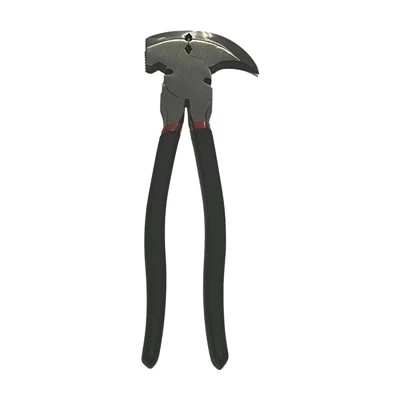
Fence Pliers are another option, especially if you're working with fencing materials. These pliers are designed to cut and twist wires used in fencing, making them a valuable tool for fencing projects.
Contact for Purchase and Collaboration
If you're interested in purchasing high-quality slip joint pliers or other types of pliers for your cutting needs, we're here to help. Our company offers a wide range of pliers that are made from top-quality materials and designed for optimal performance. Whether you're a DIY enthusiast or a professional tradesperson, our pliers are sure to meet your requirements.
Don't hesitate to contact us for more information about our products. We're always ready to assist you in finding the right tools for your projects. Let's start a conversation and explore how our pliers can enhance your work efficiency and quality.
References
- "Hand Tools: A Complete Guide." By Tool Expert, 2022.
- "Pliers and Their Uses." Online article from Tool Review Magazine, 2023.