When it comes to home improvement and DIY projects, having the right tools is essential. Among the many tools in a toolbox, pliers are one of the most versatile and useful. As a pliers supplier, I understand the importance of choosing the right pliers for home use. In this blog post, I'll guide you through the process of selecting the perfect pliers for your home projects.
Understanding the Different Types of Pliers
Before you can choose the right pliers, it's important to understand the different types available. Here are some of the most common types of pliers used in home settings:
1. Slip-Joint Pliers
Slip-joint pliers are perhaps the most basic and widely used type of pliers. They have an adjustable pivot point, which allows you to change the size of the jaws. This makes them suitable for gripping objects of various sizes. Slip-joint pliers are great for general-purpose tasks such as tightening or loosening nuts and bolts, holding objects in place, and bending wires.
2. Needle-Nose Pliers
Needle-nose pliers have long, thin jaws that taper to a point. This design makes them ideal for working in tight spaces and handling small objects. They are commonly used for jewelry making, electrical work, and precision tasks where a fine grip is required. You can use needle-nose pliers to bend, shape, and cut small wires, as well as to reach into narrow openings.
3. Lineman's Pliers
Lineman's pliers, also known as combination pliers, are a heavy-duty type of pliers. They have a cutting edge near the pivot point and serrated jaws for gripping. Lineman's pliers are designed for electrical work, but they can also be used for a variety of other tasks, such as cutting and twisting wires, gripping and pulling nails, and bending metal.
4. Diagonal Cutting Pliers
Diagonal cutting pliers, also called wire cutters, are used for cutting wires. They have sharp, angled jaws that can easily cut through various types of wire, including copper, aluminum, and steel. Diagonal cutting pliers are essential for electrical work, as well as for cutting zip ties, fishing line, and other small materials.
5. Fence Pliers
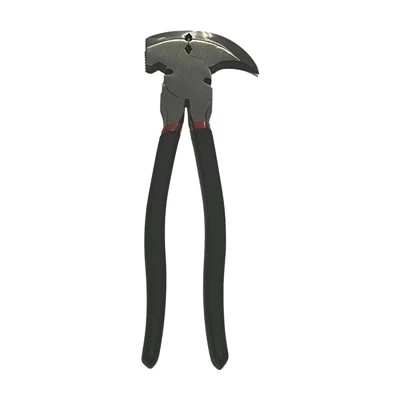
Fence pliers are specifically designed for working with fences. They have a variety of features, such as a wire cutter, a staple puller, and a fence post driver. Fence pliers are useful for tasks like installing or repairing fences, tightening wire, and removing staples.
6. German Type End Cutting Pliers
German type end cutting pliers are designed for precise cutting at the end of a wire or rod. They have a flat cutting surface that allows for clean and accurate cuts. These pliers are often used in electronics, model making, and other applications where a precise cut is required.
Factors to Consider When Choosing Pliers
Now that you know the different types of pliers, here are some factors to consider when making your selection:
1. Purpose of Use
The first thing to consider is the purpose for which you'll be using the pliers. If you're mainly doing electrical work, you'll need pliers like lineman's pliers and diagonal cutting pliers. For jewelry making or precision work, needle-nose pliers are a better choice. If you're working on a fence, fence pliers are essential.
2. Size and Comfort
Pliers come in different sizes, and it's important to choose a size that is comfortable for you to hold and use. If you have small hands, you may prefer smaller pliers, while those with larger hands may find larger pliers more comfortable. Look for pliers with ergonomic handles that provide a good grip and reduce hand fatigue.
3. Quality and Durability
Investing in high-quality pliers is important, as they will last longer and perform better. Look for pliers made from high-grade steel, as this material is strong and resistant to wear and corrosion. Check the construction of the pliers, such as the quality of the pivot point and the sharpness of the jaws. A well-made pair of pliers will be able to withstand heavy use without losing its effectiveness.
4. Brand Reputation
The brand of the pliers can also be an indicator of quality. Choose a reputable brand that is known for producing reliable tools. You can read reviews from other users to get an idea of the brand's reputation and the performance of their pliers.


5. Price
Price is always a consideration when purchasing tools. While it's important to invest in quality pliers, you don't have to break the bank. There are many good-quality pliers available at different price points. Compare prices from different suppliers to find the best value for your money.
Tips for Using Pliers Safely
Once you've chosen the right pliers for your home use, it's important to use them safely. Here are some tips:
- Wear Safety Gear: When using pliers, especially for cutting or working with sharp objects, wear safety glasses to protect your eyes from flying debris.
- Use the Right Pliers for the Job: Don't use pliers for tasks they are not designed for. Using the wrong pliers can damage the tool and increase the risk of injury.
- Keep Pliers in Good Condition: Regularly clean and lubricate your pliers to keep them in good working condition. Sharpen the cutting edges when necessary.
- Store Pliers Properly: Store your pliers in a dry place, away from moisture and corrosive substances. You can use a toolbox or a tool rack to keep them organized and protected.
Conclusion
Choosing the right pliers for home use is an important decision that can make your DIY projects easier and more successful. By understanding the different types of pliers, considering the factors mentioned above, and using them safely, you can select the perfect pliers for your needs. As a pliers supplier, I'm here to help you find the right tools for your home projects. If you have any questions or need further advice on choosing pliers, feel free to contact me for a procurement discussion. I look forward to working with you to meet your tool needs.
References
- "Hand Tools: Pliers." ToolGuyd.
- "The Complete Guide to Pliers." Family Handyman.