When it comes to the world of hand tools, one question that often arises among DIY enthusiasts, hobbyists, and professional technicians alike is whether long reach nose pliers can be used for soldering. As a supplier of high - quality long reach nose pliers, I'm here to delve into this topic and provide you with a comprehensive answer.
Understanding Long Reach Nose Pliers
Long reach nose pliers are a specialized type of pliers known for their extended jaws. This design feature allows users to access tight or hard - to - reach spaces that regular pliers might not be able to reach. They are commonly used in electronics, jewelry making, and other precision work where a fine grip and access to confined areas are required. The long, slender jaws can hold small components firmly, making them ideal for tasks such as bending wires, holding small parts in place, and manipulating delicate materials.
The Basics of Soldering
Soldering is a process of joining two or more metal items by melting and flowing a filler metal (solder) into the joint. The key requirements for successful soldering include having a clean surface, proper heat application, and the ability to hold the parts in place accurately. A soldering iron is the primary tool for applying heat, and it melts the solder, which then bonds the metal components together.
Can Long Reach Nose Pliers Be Used for Soldering?
The short answer is yes, long reach nose pliers can be used for soldering, but with some considerations.
Advantages of Using Long Reach Nose Pliers in Soldering
- Access to Tight Spaces: In many soldering applications, especially in electronics, components are often packed closely together. Long reach nose pliers can reach into these tight spaces and hold components securely during soldering. For example, when soldering surface - mount components on a printed circuit board (PCB), the long jaws can grip the component firmly without obstructing the soldering iron's access to the joint.
- Precision Handling: The fine tips of long reach nose pliers allow for precise handling of small components. This is crucial when soldering tiny wires or components, as it ensures that the parts are held in the correct position, reducing the risk of misalignment or short - circuits.
- Heat Dissipation: Some long reach nose pliers are made of materials that can dissipate heat relatively well. When holding a component during soldering, the pliers can absorb and transfer some of the heat away from the component, preventing overheating and potential damage.
Limitations and Considerations
- Heat Resistance: While long reach nose pliers can dissipate some heat, they are not designed to withstand extremely high temperatures for extended periods. Prolonged contact with a hot soldering iron or excessive heat can damage the pliers, especially the handles and the tips. It's important to use the pliers carefully and avoid direct contact with the soldering iron's tip.
- Insulation: In some soldering applications, especially those involving electrical circuits, it's essential to ensure that the pliers are properly insulated. If the pliers are not insulated, they can cause short - circuits by bridging two conductive parts. Make sure to choose long reach nose pliers with insulated handles if you're working on electrical soldering projects.
- Tip Shape and Size: The shape and size of the pliers' tips can affect their performance in soldering. Some tips may be too thick or blunt for very fine soldering work. It's important to select long reach nose pliers with tips that are suitable for the specific soldering task at hand.
Other Pliers for Soldering
While long reach nose pliers are useful for soldering, there are other types of pliers that can also be used in different soldering scenarios.


- Germany Type Diagonal Cutting Pliers: These pliers are primarily used for cutting wires. In soldering, they can be used to trim excess wire before or after soldering. Their sharp cutting edges ensure clean cuts, which are important for a neat and reliable solder joint.
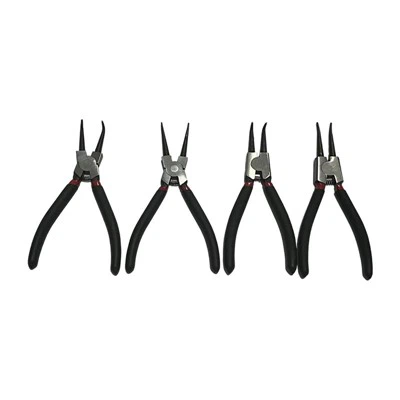
- Long Reach Bent Nose Plier: Similar to long reach nose pliers, but with a bent tip. This design can be particularly useful when soldering in areas where a straight - tip plier might not be able to reach or provide the necessary angle. The bent tip allows for better access and manipulation of components.
- Slip Joint Pliers: These pliers have an adjustable jaw width, which makes them versatile for holding different sizes of components. They can be used for larger soldering projects where a more substantial grip is required. However, they may not be as precise as long reach nose pliers for very small components.
Best Practices for Using Long Reach Nose Pliers in Soldering
- Prepare the Pliers: Before using the long reach nose pliers for soldering, make sure they are clean. Any dirt or debris on the pliers' tips can transfer to the solder joint and affect its quality. You can clean the pliers with a mild solvent or a wire brush.
- Use Heat - Resistant Gloves: To protect your hands from the heat generated during soldering, it's a good idea to wear heat - resistant gloves. This will also prevent any accidental burns if the pliers get hot.
- Practice Proper Technique: When using the pliers to hold a component during soldering, apply gentle pressure to avoid damaging the component. Make sure the pliers are holding the component firmly but not too tightly, as excessive pressure can deform the component.
- Inspect the Pliers Regularly: Check the pliers for any signs of wear or damage, especially the tips. If the tips are worn or damaged, they may not provide a good grip, which can affect the soldering process. Replace the pliers if necessary.
Conclusion
Long reach nose pliers can be a valuable tool in the soldering process, offering access to tight spaces, precision handling, and some heat - dissipation capabilities. However, it's important to be aware of their limitations and use them correctly. Whether you're a professional technician or a DIY enthusiast, having a good understanding of how to use long reach nose pliers for soldering can improve the quality of your work.
If you're interested in purchasing high - quality long reach nose pliers or any other hand tools for your soldering projects, I encourage you to reach out for a purchase negotiation. Our team is ready to assist you in finding the right tools to meet your specific needs.
References
- "Hand Tools for Electronics: A Comprehensive Guide", Electronics Handbook, 2020
- "Soldering Techniques and Best Practices", Journal of Electrical Engineering, 2019
- "The Art of Precision Pliers in Small - Scale Manufacturing", Manufacturing Today Magazine, 2021