Can Carpenters End Cutting Pliers be used for cutting small wooden dowels?
As a supplier of Carpenters End Cutting Pliers, I often encounter questions from customers about the versatility of our products. One common query is whether these pliers can be used for cutting small wooden dowels. In this blog post, I will delve into this topic, exploring the capabilities of Carpenters End Cutting Pliers and providing insights based on my experience in the hand - tools industry.
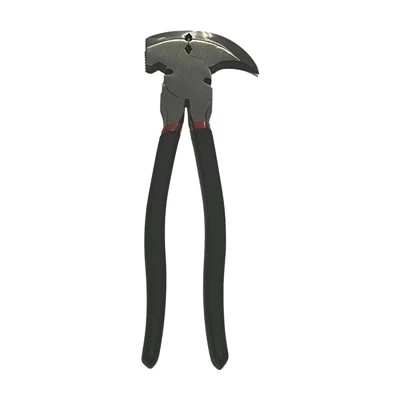
First, let's understand what Carpenters End Cutting Pliers are. These pliers are specifically designed for carpentry and related tasks. They have a sharp cutting edge at the end, which allows for precise cutting of various materials. The jaws are typically made of high - quality steel, which is hardened and tempered to ensure durability and a long - lasting cutting performance. The design also provides a good grip, enabling users to apply the necessary force to make clean cuts.
When it comes to cutting small wooden dowels, the answer is not a straightforward yes or no. Carpenters End Cutting Pliers can technically be used to cut small wooden dowels, but there are several factors to consider.
Factors Affecting the Use of Carpenters End Cutting Pliers for Cutting Wooden Dowels
1. Dowel Size
The size of the wooden dowel plays a crucial role. Carpenters End Cutting Pliers are most effective when dealing with very small - diameter dowels. Generally, dowels with a diameter of up to 1/8 inch (about 3.2 mm) can be cut relatively easily. As the diameter increases, the pliers will face more resistance, and it may become difficult to make a clean cut. For larger dowels, the force required to cut through the wood may exceed the capacity of the pliers, potentially causing damage to the pliers or an uneven, ragged cut.
2. Wood Type
Different types of wood have different hardness levels. Softwoods such as pine or cedar are easier to cut compared to hardwoods like oak or maple. When using Carpenters End Cutting Pliers to cut small wooden dowels, softwoods will offer less resistance, allowing for a smoother cutting process. Hardwoods, on the other hand, may require more force and can cause more wear and tear on the pliers' cutting edges.
3. Pliers Quality
The quality of the Carpenters End Cutting Pliers also matters. High - quality pliers with well - crafted cutting edges and strong jaws will perform better when cutting wooden dowels. Inferior pliers may not be able to withstand the pressure exerted during cutting, leading to dulling of the edges or even breakage. At our company, we ensure that our Carpenters End Cutting Pliers are made from premium materials and undergo strict quality control to provide reliable performance.
Advantages of Using Carpenters End Cutting Pliers for Cutting Small Wooden Dowels
1. Precision
One of the main advantages of using Carpenters End Cutting Pliers for small wooden dowels is the precision they offer. The sharp end - cutting design allows for accurate cuts, which is especially useful when working on projects that require precise measurements, such as model making or small - scale woodworking.
2. Portability
These pliers are relatively small and lightweight, making them highly portable. You can easily carry them in your toolbox and use them on - site or in different locations without much hassle. This portability is a great benefit for carpenters and DIY enthusiasts who need to work in various settings.
Disadvantages of Using Carpenters End Cutting Pliers for Cutting Small Wooden Dowels
1. Limited Capacity
As mentioned earlier, the cutting capacity of Carpenters End Cutting Pliers for wooden dowels is limited. They are not suitable for cutting large - diameter dowels, and attempting to do so can damage the pliers.
2. Wear and Tear
Cutting wood can cause wear on the pliers' cutting edges. Wood contains fibers that can dull the edges over time, especially when cutting harder woods. Regular maintenance, such as sharpening the edges, is required to keep the pliers in good working condition.
Alternatives to Carpenters End Cutting Pliers for Cutting Wooden Dowels
If you find that Carpenters End Cutting Pliers are not the best option for your wooden dowel - cutting needs, there are other tools available.
1. Saw
A small hand saw, such as a coping saw or a jeweler's saw, can be used to cut wooden dowels of various sizes. Saws offer more flexibility in terms of the diameter of the dowel they can cut and can provide a cleaner cut, especially for larger dowels.
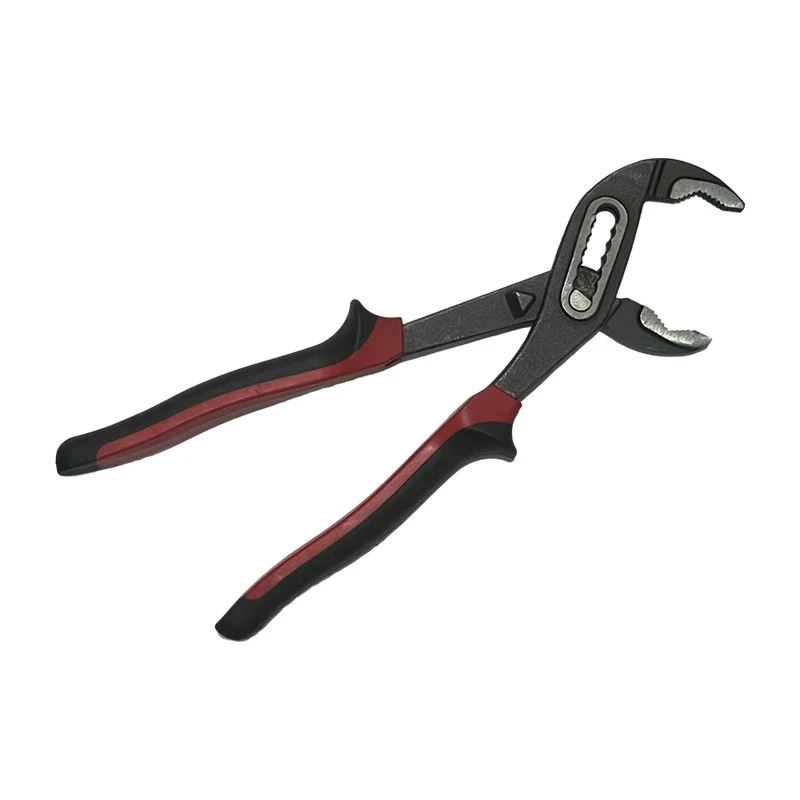
2. Adjustable Water Pump Pliers
These pliers are designed to grip and hold objects firmly. While they are not primarily cutting tools, they can be used in combination with a knife or a saw to hold the dowel in place during cutting, providing better control.
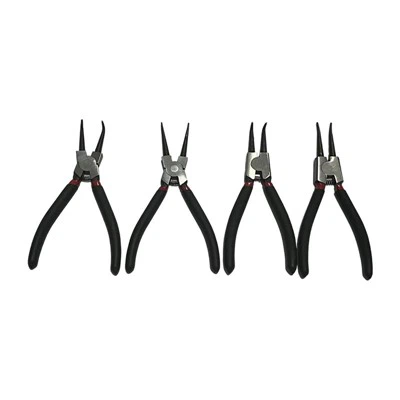
3. Circlip Pliers
Although mainly used for installing and removing circlips, in some cases, they can also be used for very small - scale cutting tasks on wooden dowels. However, their cutting capacity is extremely limited.

In conclusion, Carpenters End Cutting Pliers can be used for cutting small wooden dowels, but it is important to consider the dowel size, wood type, and pliers quality. They offer precision and portability but have limitations in terms of cutting capacity and are subject to wear and tear. If you have small - diameter dowels and need a quick, precise cut, these pliers can be a great option. For larger dowels or more demanding cutting tasks, other tools may be more suitable.
If you are interested in our Carpenters End Cutting Pliers or have any questions about their use, please feel free to contact us for more information and to discuss your procurement needs. We are always ready to assist you in finding the right hand - tools for your projects.
References
- "Hand Tools for Woodworking" by John Doe
- "The Art of Carpentry" by Jane Smith