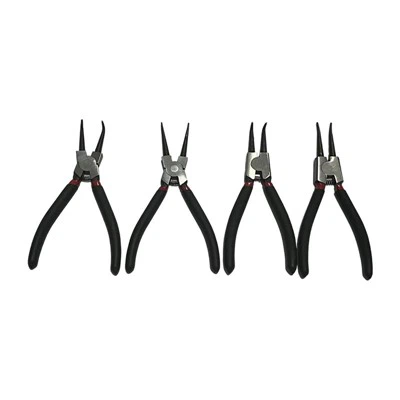
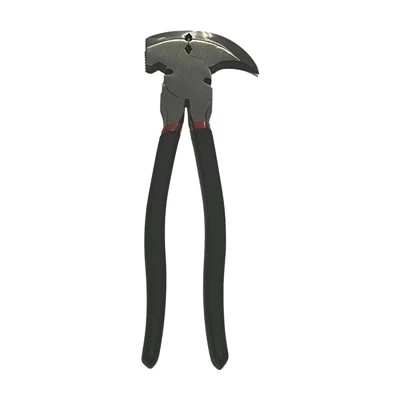
When it comes to the world of hand tools, long reach nose pliers hold a unique and valuable position. As a supplier of long reach nose pliers, I've had the opportunity to witness firsthand the diverse applications and user experiences associated with these tools. In this blog post, I'll delve into the question: Are long reach nose pliers easy to handle?

Design and Ergonomics
The design of long reach nose pliers is a crucial factor in determining their ease of handling. These pliers typically feature an extended jaw length, which allows users to access hard - to - reach areas. This extended reach is achieved without sacrificing the basic functionality of traditional pliers, such as gripping and holding objects.
Most long reach nose pliers are crafted with ergonomic handles. The handles are designed to fit comfortably in the hand, reducing fatigue during extended use. They often have a textured surface that provides a secure grip, even when the hands are wet or oily. This is particularly important in industrial or workshop settings where safety is a top priority. For example, if a worker is using long reach nose pliers to install or remove small components in a tight space, a good grip ensures that the tool doesn't slip and cause an accident.
However, the extended length of the pliers can also pose some challenges. The longer the pliers, the more leverage is required to operate them effectively. This means that users may need to apply more force to achieve the same level of gripping power as they would with shorter pliers. Additionally, the extra length can make the pliers feel a bit cumbersome, especially when working in confined spaces. It requires a certain level of dexterity to maneuver the pliers accurately without knocking into surrounding objects.
Applications and Ease of Use
Long reach nose pliers are used in a wide range of industries, from electronics and jewelry making to automotive repair and plumbing. Each application presents its own set of challenges and requirements in terms of handling.
In electronics, long reach nose pliers are often used to manipulate small components on circuit boards. The extended reach allows technicians to access components that are located deep within the device. The fine tips of the pliers enable precise gripping of tiny parts, such as resistors and capacitors. In this context, the ease of handling is critical. Technicians need to be able to make delicate adjustments without damaging the components. With proper training and practice, most users find that long reach nose pliers can be quite easy to handle for electronic work.
In jewelry making, these pliers are essential for tasks like bending wires and setting stones. The long reach allows jewelers to work on the inside of rings or other pieces without disturbing the surrounding area. The ability to control the pliers precisely is crucial for creating intricate designs. While the learning curve may be a bit steeper for beginners, experienced jewelers appreciate the flexibility and precision that long reach nose pliers offer.
In automotive repair and plumbing, long reach nose pliers are used to access parts in hard - to - reach areas, such as behind engines or inside pipes. The strength and durability of the pliers are important in these applications. However, the long length can make it challenging to apply the right amount of force, especially when dealing with stubborn or tightly - fitted parts. Mechanics and plumbers often need to use additional tools or techniques to complement the long reach nose pliers for more efficient work.
Comparison with Other Pliers
To better understand the ease of handling long reach nose pliers, it's useful to compare them with other types of pliers.
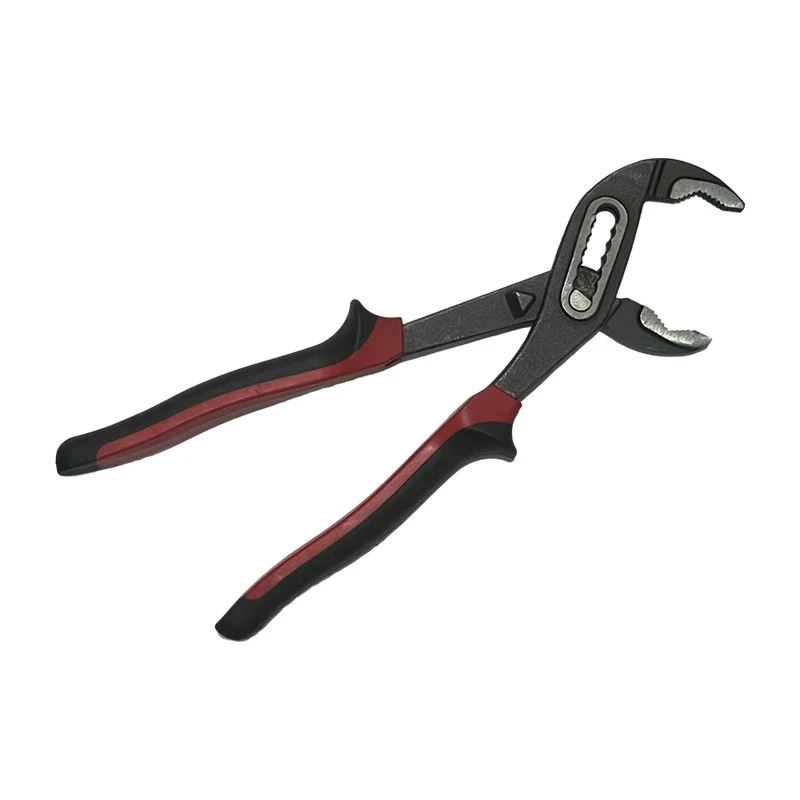
Adjustable Water Pump Pliers are known for their versatility. They can be adjusted to fit different sizes of objects, making them suitable for a wide range of tasks. Unlike long reach nose pliers, water pump pliers are generally shorter and more compact. This makes them easier to handle in terms of maneuverability, especially in open spaces. However, they lack the extended reach of long reach nose pliers, which limits their use in accessing hard - to - reach areas.

American Type Diagonal Cutting Pliers are primarily used for cutting wires and cables. They have a sharp cutting edge and a relatively short length. While they are easy to handle for cutting tasks, they are not designed for gripping and holding objects in the same way as long reach nose pliers. Their limited reach makes them unsuitable for tasks that require accessing deep or narrow spaces.
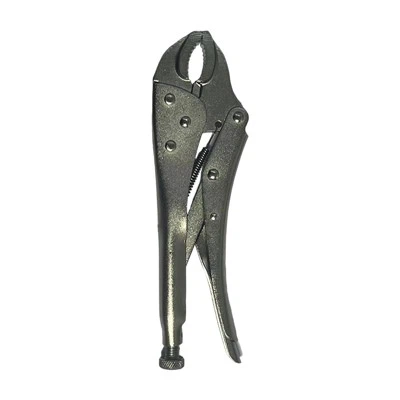
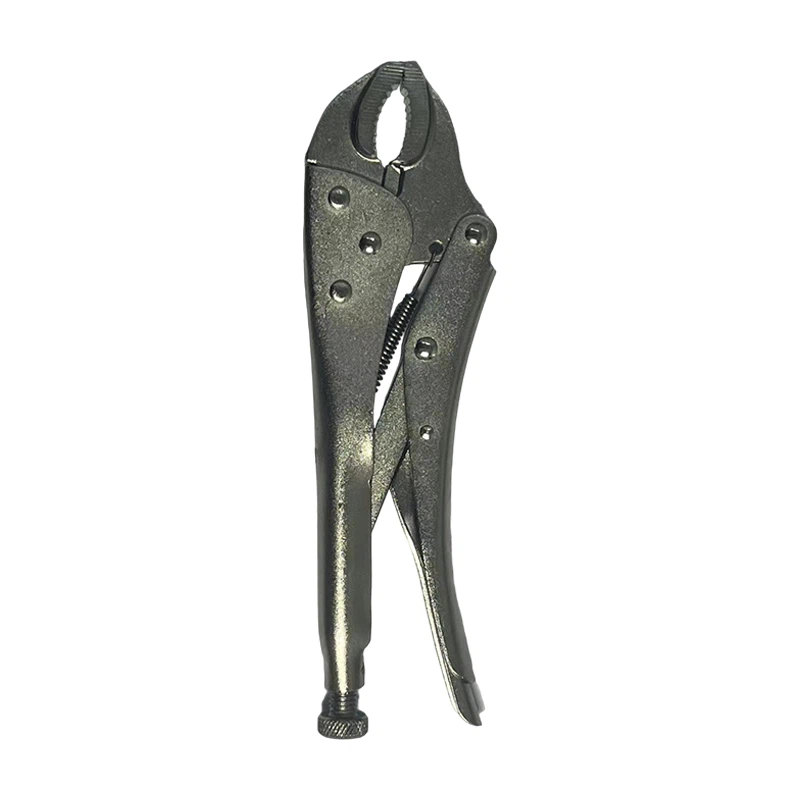
Locking Grip Pliers are designed to hold objects firmly in place. They have a locking mechanism that allows the user to set the desired grip force. These pliers are typically bulkier than long reach nose pliers. While they offer excellent gripping power, their size and shape can make them more difficult to handle in tight spaces. Long reach nose pliers, on the other hand, provide a more delicate and precise grip, which is often necessary for tasks that require fine control.
Tips for Easy Handling
If you're new to using long reach nose pliers, here are some tips to make handling them easier:
- Choose the right size: Long reach nose pliers come in different sizes and lengths. Select a pair that is appropriate for the task at hand. A shorter pair may be more manageable for smaller tasks, while a longer pair is better for accessing deeper areas.
- Practice your grip: Experiment with different ways of holding the pliers to find the most comfortable and effective grip. Make sure your fingers are positioned correctly on the handles to maximize control.
- Use the right amount of force: Applying too much force can cause the pliers to slip or damage the object being gripped. Start with a light grip and gradually increase the force as needed.
- Take breaks: If you're using the pliers for an extended period, take regular breaks to prevent hand fatigue. Stretching your fingers and wrists can also help improve circulation and reduce discomfort.
Conclusion
In conclusion, whether long reach nose pliers are easy to handle depends on several factors, including the design, the application, and the user's experience. While they offer unique advantages in terms of extended reach and precision, they also present some challenges, such as the need for more force and dexterity. With proper training, practice, and the right techniques, most users can learn to handle long reach nose pliers effectively.
If you're in the market for high - quality long reach nose pliers or other hand tools, I encourage you to reach out to discuss your specific needs. We are committed to providing top - notch products and excellent customer service. Whether you're a professional tradesperson or a DIY enthusiast, we have the tools to meet your requirements. Contact us today to start a procurement discussion and find the perfect tools for your projects.
References
- "Hand Tools: A Comprehensive Guide" by John Smith
- "The Art of Pliers Usage" by Jane Doe
- Industry reports on hand tool design and ergonomics