Slip joint pliers are a staple in any toolbox, whether you're a professional tradesperson or a DIY enthusiast. As a supplier of slip joint pliers, I often get asked about what materials these handy tools are made of. So, let's dive right in and explore the different materials that go into making slip joint pliers.
The Basics of Slip Joint Pliers
Before we get into the materials, let's quickly go over what slip joint pliers are. They're a type of pliers with an adjustable pivot point, which allows you to change the size of the jaws. This makes them versatile for gripping objects of different sizes. You can use them for tasks like gripping, bending, and cutting wires, and they're great for plumbing, electrical work, and general household repairs.
High - Carbon Steel
One of the most common materials used in making slip joint pliers is high - carbon steel. High - carbon steel is a popular choice because it's strong and durable. It can withstand a lot of wear and tear, making it ideal for tools that are used frequently.
The high carbon content gives the steel its strength. When the pliers are forged from high - carbon steel, they can hold their shape even under heavy pressure. This means that the jaws won't easily bend or deform when you're using them to grip or turn something.
Another advantage of high - carbon steel is that it can be heat - treated. Heat treatment is a process where the steel is heated and then cooled at specific rates to change its properties. For slip joint pliers, heat treatment can increase the hardness of the steel, making the cutting edges sharper and more resistant to wear. This is especially important if you're using the pliers for cutting wires or other materials.

However, high - carbon steel does have a downside. It's more prone to rusting compared to some other materials. That's why many slip joint pliers made from high - carbon steel are coated with a protective finish, like chrome plating. The chrome plating not only protects the steel from rust but also gives the pliers a nice, shiny appearance.
Chrome - Vanadium Steel
Chrome - vanadium steel is another material commonly used in slip joint pliers. This type of steel combines the strength of high - carbon steel with the corrosion resistance of chromium and the toughness of vanadium.
Chromium is added to the steel to form a thin, protective layer on the surface. This layer acts as a barrier against moisture and oxygen, preventing rust from forming. Vanadium, on the other hand, improves the steel's strength and toughness. It helps the pliers withstand high stress and impact without breaking or cracking.
Chrome - vanadium steel pliers are often more expensive than those made from high - carbon steel, but they offer better performance and durability in the long run. They're a great choice for professionals who need reliable tools that can stand up to heavy use.
Stainless Steel
Stainless steel is also used in making slip joint pliers, especially for applications where corrosion resistance is a top priority. Stainless steel contains a high percentage of chromium, which forms a passive oxide layer on the surface. This layer protects the steel from rust and corrosion, even in harsh environments.
Slip joint pliers made from stainless steel are great for use in wet or humid conditions, such as in plumbing or marine applications. They're also easy to clean and maintain. However, stainless steel is generally not as hard as high - carbon or chrome - vanadium steel. So, while the pliers may be resistant to rust, they may not have the same cutting or gripping power as pliers made from other materials.
The Handles
The handles of slip joint pliers are just as important as the jaws. They need to be comfortable to hold and provide a good grip. Most slip joint pliers have handles made from materials like plastic, rubber, or a combination of both.
Plastic handles are lightweight and inexpensive. They can be molded into different shapes to provide a comfortable grip. However, they may not be as durable as rubber handles. Rubber handles, on the other hand, are more flexible and provide a better grip, especially when your hands are wet or greasy. They also absorb shock, which can reduce fatigue when you're using the pliers for long periods.
Some pliers have a combination of plastic and rubber handles. The plastic provides the structure, while the rubber is used in areas where you grip the pliers for added comfort and grip.
Other Related Pliers
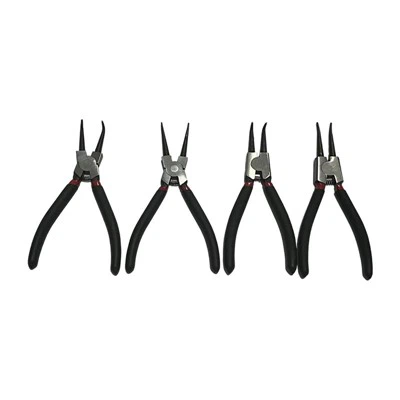
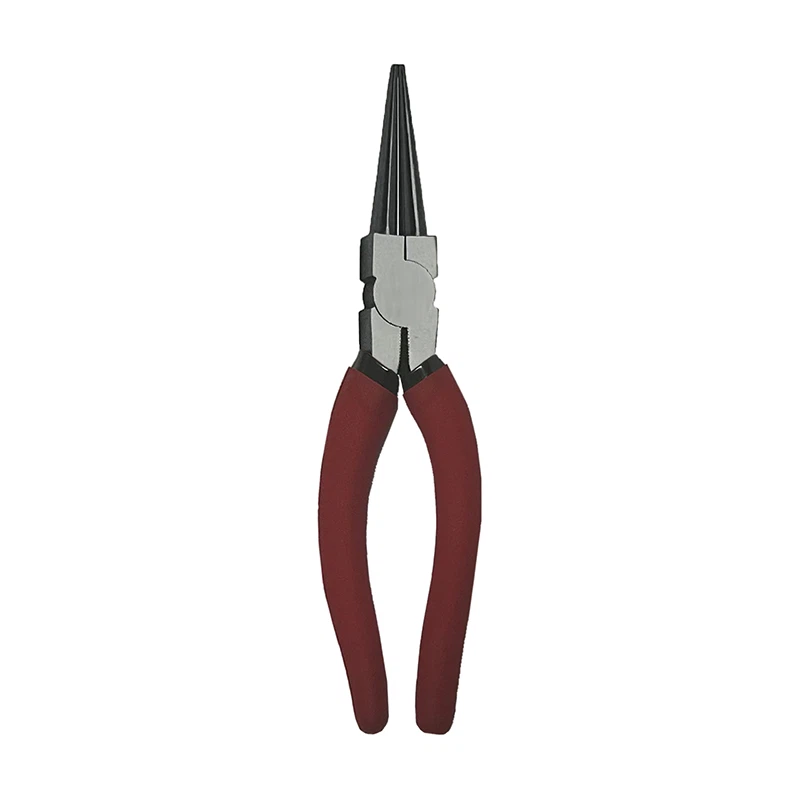
If you're in the market for different types of pliers, we also offer a variety of other options. Check out our Circlip Pliers, which are designed for installing and removing circlips. We also have Long Reach Bent Nose Plier, perfect for reaching into tight spaces. And for those who need a round - nose plier, our American Type Round Nose Plier is a great choice.
Why Choose Our Slip Joint Pliers
As a supplier, we take pride in offering high - quality slip joint pliers. We source the best materials and use advanced manufacturing processes to ensure that our pliers meet the highest standards. Whether you need pliers for professional use or for your home workshop, we have the right product for you.
Our pliers are designed to be durable, comfortable to use, and versatile. We offer a range of sizes and styles to suit different needs. And if you have any questions or need help choosing the right pliers, our customer service team is always here to assist you.
Let's Get in Touch
If you're interested in purchasing our slip joint pliers or any of our other hand tools, we'd love to hear from you. Contact us to start a conversation about your requirements. We're ready to provide you with the best products and service.
References
- "Handbook of Tool and Manufacturing Engineering Knowledge"
- "Materials Science and Engineering: An Introduction"