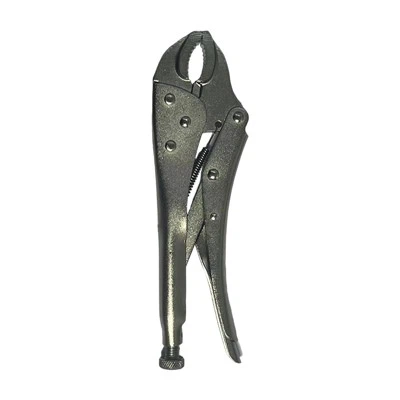
Tensile strength is a crucial mechanical property that measures the maximum amount of tensile (pulling) stress a material can withstand before breaking. When it comes to locking grip pliers, understanding their tensile strength is essential for both users and suppliers. As a supplier of locking grip pliers, I have witnessed firsthand the importance of this characteristic in determining the tool's performance and reliability.
Understanding Tensile Strength
Tensile strength is typically measured in units of force per unit area, such as pounds per square inch (psi) or megapascals (MPa). It represents the maximum stress a material can endure when subjected to a pulling force along its length. When a locking grip plier is used to hold or grip an object, it experiences tensile forces that can potentially cause it to deform or break. Therefore, a high tensile strength is desirable to ensure the plier can withstand these forces without failure.
Factors Affecting Tensile Strength of Locking Grip Pliers
Several factors can influence the tensile strength of locking grip pliers. The most significant factor is the material used in their construction. High - quality locking grip pliers are often made from alloy steels, which are known for their excellent strength and durability. Alloy steels contain various alloying elements such as chromium, nickel, and molybdenum, which enhance their mechanical properties.
The heat treatment process also plays a vital role in determining the tensile strength of the pliers. Proper heat treatment can increase the hardness and strength of the steel while maintaining its toughness. For example, quenching and tempering are common heat - treatment methods used to improve the mechanical properties of locking grip pliers.
The design of the pliers is another factor. A well - designed locking grip plier has a shape and structure that distributes the tensile forces evenly across its components. This helps to prevent stress concentrations, which can lead to premature failure. Features such as reinforced jaws and a robust locking mechanism can contribute to better distribution of forces and higher overall tensile strength.
Measuring the Tensile Strength of Locking Grip Pliers
Measuring the tensile strength of locking grip pliers typically involves using specialized testing equipment. A universal testing machine is commonly used to apply a controlled pulling force to the pliers until they break. During the test, the force applied and the corresponding deformation of the pliers are recorded. The maximum force applied at the point of failure is then used to calculate the tensile strength.
It's important to note that the tensile strength of locking grip pliers can vary depending on the specific part of the plier being tested. For example, the jaws of the pliers may have a different tensile strength compared to the handle or the locking mechanism. Therefore, comprehensive testing should be carried out on all critical components to ensure the overall reliability of the tool.
Importance of Tensile Strength in Locking Grip Pliers
In practical applications, the tensile strength of locking grip pliers is of utmost importance. In industrial settings, these pliers are often used to hold heavy or large objects, and they need to be able to withstand significant pulling forces without breaking. For example, in automotive repair, locking grip pliers may be used to hold brake lines or other components during installation or removal. A plier with low tensile strength could break under the stress, leading to potential safety hazards and costly repairs.
In construction, locking grip pliers are used for various tasks such as holding and positioning metal bars or pipes. The ability of the pliers to withstand high tensile forces ensures that they can perform these tasks effectively and safely.
Our Product Range and Tensile Strength
As a supplier of locking grip pliers, we take great pride in offering products with high tensile strength. Our pliers are made from premium - grade alloy steels and undergo strict quality control measures during the manufacturing process. We use advanced heat - treatment techniques to ensure that our pliers have the optimal combination of strength and toughness.
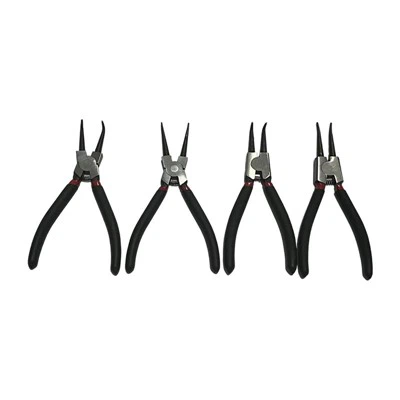
In addition to our standard locking grip pliers, we also offer a variety of related products, such as the Mini Pliers Set, which is ideal for precision work. These mini pliers are also designed to have sufficient tensile strength to handle the tasks they are intended for.
Our American Type Round Nose Plier is another popular product in our range. It is known for its excellent craftsmanship and high - quality materials, which contribute to its good tensile strength.
For cutting tasks, we offer the Cutting Pliers Set. These pliers not only have sharp cutting edges but also a robust structure that can withstand the forces generated during cutting operations.
Conclusion
The tensile strength of locking grip pliers is a critical property that determines their performance, reliability, and safety. As a supplier, we are committed to providing high - quality pliers with excellent tensile strength. Whether you are an industrial user, a professional tradesperson, or a DIY enthusiast, our locking grip pliers and related products are designed to meet your needs.
If you are interested in our locking grip pliers or any of our other hand - tool products, we invite you to contact us for a detailed discussion about your requirements. We look forward to the opportunity to work with you and provide you with the best - in - class hand - tool solutions.


References
- Callister, W. D., & Rethwisch, D. G. (2017). Materials Science and Engineering: An Introduction. Wiley.
- ASM Handbook Committee. (2000). ASM Handbook Volume 4: Heat Treating. ASM International.