Long reach nose pliers are essential tools in various industries, from electronics and jewelry making to automotive repair and general DIY projects. Their extended reach and precision tips make them ideal for accessing hard-to-reach areas and handling small objects. One of the key performance indicators of these pliers is their maximum gripping force, which determines their effectiveness in holding and manipulating materials. In this blog post, we'll delve into what the maximum gripping force of long reach nose pliers is, what factors influence it, and why it matters for your work.
Understanding Gripping Force
Gripping force refers to the amount of pressure that the jaws of the pliers can exert on an object. It is typically measured in newtons (N) or pounds-force (lbf). The maximum gripping force is the highest level of pressure that the pliers can generate under normal operating conditions. This force is crucial as it allows the pliers to securely hold onto objects, preventing slippage during tasks such as bending, cutting, or pulling.
Factors Affecting the Maximum Gripping Force
Several factors contribute to the maximum gripping force of long reach nose pliers.
Material of the Pliers
The material used to construct the pliers plays a significant role. High-quality steels, such as chrome vanadium steel or stainless steel, are commonly used in the manufacturing of long reach nose pliers. These materials offer high strength and durability, allowing the pliers to withstand high levels of stress without deforming. For example, chrome vanadium steel is known for its excellent hardness and toughness, which enables the pliers to generate a relatively high gripping force.
Design of the Jaws
The design of the jaws is another critical factor. The shape, texture, and angle of the jaws can all affect how well the pliers grip an object. Precision-machined jaws with a serrated or grooved surface provide better friction, increasing the gripping force. Additionally, the angle of the jaws can be optimized for different applications. For instance, some long reach nose pliers have parallel jaws for flat surfaces, while others have curved jaws for better grip on rounded objects.
Leverage Mechanism
The leverage mechanism of the pliers determines how much force is transferred from the user's hand to the jaws. Pliers with a well-designed leverage system can amplify the force applied by the user, resulting in a higher gripping force. Longer handles generally provide more leverage, allowing the user to generate greater force with less effort. However, the length of the handles must be balanced with the overall size and maneuverability of the pliers.
Spring Tension
Most long reach nose pliers are equipped with a spring to keep the jaws open when not in use. The tension of this spring can affect the gripping force. A spring with the right tension ensures that the jaws close firmly when pressure is applied, while also allowing the pliers to open easily after use. If the spring tension is too high, it may require excessive force to close the jaws, while too low a tension can result in a weak grip.
Measuring the Maximum Gripping Force
Measuring the maximum gripping force of long reach nose pliers can be a complex process. Specialized equipment, such as a force gauge, is typically used to accurately measure the force exerted by the jaws. The test involves placing an object between the jaws of the pliers and gradually increasing the pressure until the object slips or the maximum force is reached. This process is repeated multiple times to ensure accurate and consistent results.


Why Maximum Gripping Force Matters
The maximum gripping force of long reach nose pliers is a crucial consideration for several reasons.
Efficiency and Productivity
A higher gripping force allows the pliers to hold objects more securely, reducing the likelihood of slippage. This can significantly improve efficiency and productivity, especially when working on delicate or intricate tasks. For example, in electronics assembly, a secure grip is essential to prevent damage to small components.
Versatility
Pliers with a high maximum gripping force can handle a wider range of materials and objects. They can be used to grip and manipulate both soft and hard materials, such as wires, cables, and small metal parts. This versatility makes them a valuable tool in various industries.
Safety
A strong grip also enhances safety. When working with sharp or heavy objects, a secure hold reduces the risk of accidents caused by objects slipping out of the pliers. This is particularly important in industrial settings where safety is a top priority.
Our Long Reach Nose Pliers
As a leading supplier of long reach nose pliers, we understand the importance of maximum gripping force. Our pliers are engineered to provide exceptional performance and reliability. We use only the highest quality materials and advanced manufacturing techniques to ensure that our pliers meet the highest standards of quality and durability.
Our Germany Type Long Nose Pliers are designed with precision-machined jaws and a well-balanced leverage system to deliver a high maximum gripping force. The chrome vanadium steel construction provides excellent strength and corrosion resistance, making them suitable for a wide range of applications.
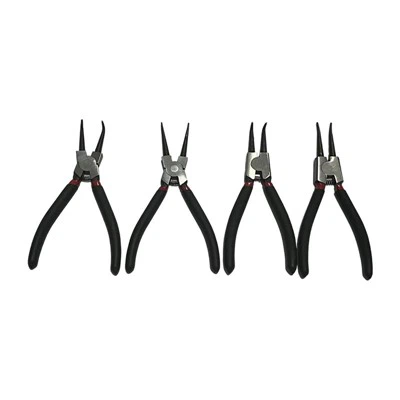
In addition to our long reach nose pliers, we also offer a variety of other pliers, including Circlip Pliers and Adjustable Water Pump Pliers. Each of our products is carefully tested to ensure that it meets or exceeds industry standards.
Contact Us for Procurement
If you're looking for high-quality long reach nose pliers with a maximum gripping force that meets your needs, we're here to help. Our team of experts can provide you with detailed information about our products and assist you in selecting the right pliers for your specific application. Whether you're a professional tradesperson or a DIY enthusiast, we have the tools you need to get the job done right.
Contact us today to discuss your procurement needs and to learn more about our long reach nose pliers and other hand tools. We look forward to working with you and helping you achieve your goals.
References
- ASME B107.4-2013, Safety Standard for Hand Tools - Pliers and Cutters
- ISO 574-2004, Hand-held non-electric tools - Safety requirements - Pliers and nippers