Hey there! I'm a supplier of Slip Joint Pliers, and today I wanna chat about something super important: the impact - resistance of slip joint pliers.
First off, let's break down what impact - resistance means. When we talk about impact - resistance in the context of slip joint pliers, we're referring to the pliers' ability to withstand sudden, forceful blows or shocks without getting damaged. You know, in a workshop or a DIY project, things can get a bit rough. Tools might accidentally get dropped, or they could be used in high - stress situations where they're subjected to a lot of force all at once.
Now, why is impact - resistance so crucial for slip joint pliers? Well, imagine you're working on a plumbing job. You're using your slip joint pliers to tighten a stubborn nut. Suddenly, you give it a hard tug, and there's a bit of a jolt. If your pliers aren't impact - resistant, they could crack, bend, or even break. That's not only a huge inconvenience but also a waste of money because you'll have to buy new ones.
One of the key factors that determine the impact - resistance of slip joint pliers is the material they're made from. High - quality steel is often the go - to choice for good impact - resistant pliers. Steel has a great combination of strength and toughness. For example, some of our pliers are made from a special type of alloy steel. This alloy is heat - treated to enhance its hardness and durability. The heat - treatment process involves heating the steel to a very high temperature and then cooling it rapidly. This changes the internal structure of the steel, making it more resistant to impacts.
Another aspect is the design of the pliers. A well - designed slip joint plier distributes the force of an impact evenly across its body. Our engineers pay a lot of attention to the shape and structure of the pliers. For instance, the joint area is designed in a way that it can absorb and disperse the energy from an impact. If the joint is too weak, it could easily come apart when hit, but our design ensures that the joint remains intact even under significant stress.
Let's talk about how impact - resistance affects the performance of slip joint pliers in different applications. In automotive repair, mechanics often use slip joint pliers to work on engines, transmissions, and other components. These parts can be very tight, and mechanics need to apply a lot of force. If the pliers aren't impact - resistant, they might fail during the repair process, causing delays and potentially damaging the vehicle's parts.
In construction, workers use slip joint pliers for tasks like bending wires and cutting through small metal rods. The pliers are constantly being used in a fast - paced environment where they might get knocked around. Impact - resistant pliers can handle these conditions without losing their functionality.
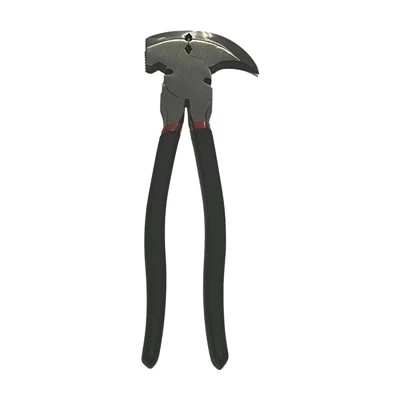
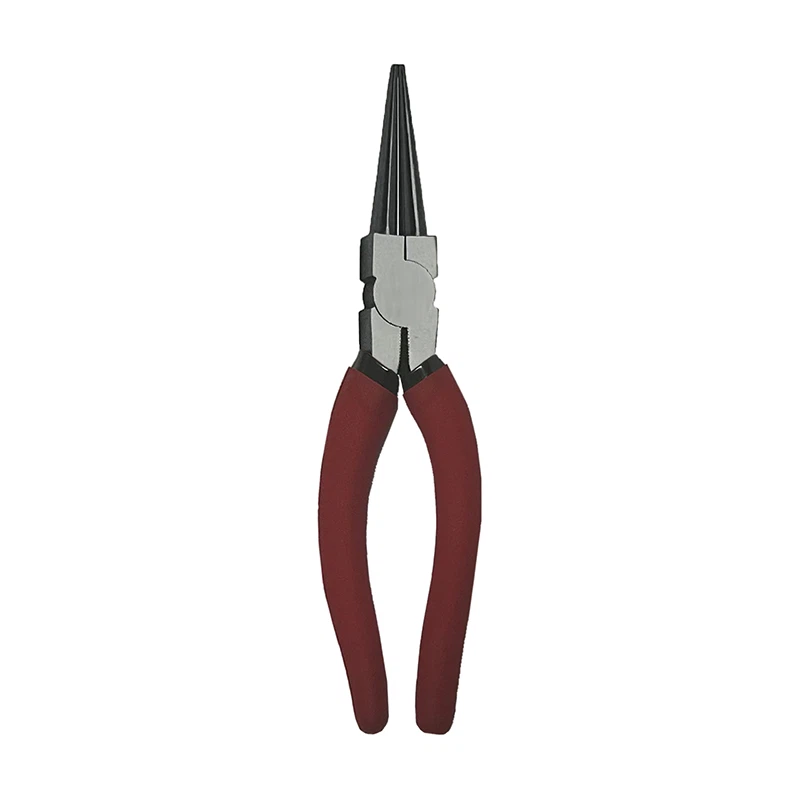
Now, I'd like to introduce some of our other great products. Check out our Tower Pincer Plier. It's a really versatile tool that can be used in many different scenarios. And if you're into more specialized work, our American Type Round Nose Plier and American Type Round Nose Plier are top - notch options. They're designed with precision and are also built to be impact - resistant.
When you're choosing slip joint pliers, it's important to look for signs of good impact - resistance. You can check the manufacturer's specifications to see what kind of materials are used and what tests the pliers have undergone. Some manufacturers perform drop tests, where they drop the pliers from a certain height to see if they break. Others do impact tests using a machine that simulates real - world impacts.
We take pride in the quality of our slip joint pliers. We've spent a lot of time and resources researching and developing the best manufacturing processes to ensure high impact - resistance. Our pliers are used by professionals all over the world, and they've proven their worth in various tough working conditions.
If you're in the market for slip joint pliers or any of our other hand tools, don't hesitate to reach out. Whether you're a professional tradesperson or a DIY enthusiast, we've got the right tools for you. We're always happy to have a chat about your specific needs and help you find the perfect tool for the job. Let's start the conversation and get you the tools you deserve.

References:
- General knowledge of hand tool manufacturing and material science.
- Industry standards and research on impact - resistance testing of hand tools.