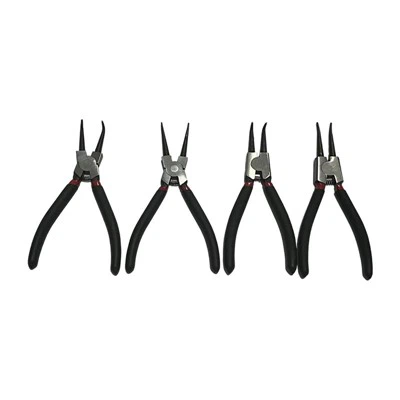
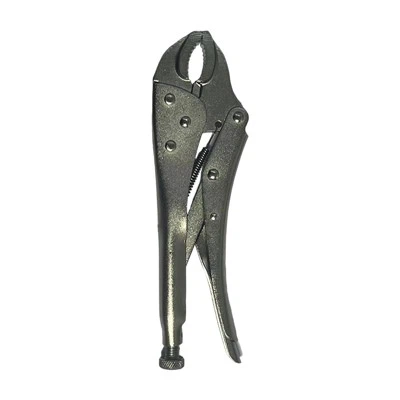
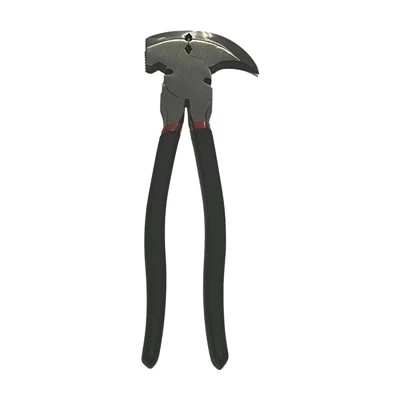
When it comes to high - quality hand tools, Tower Pincer Pliers stand out as a reliable and efficient choice for professionals and DIY enthusiasts alike. As a supplier of Tower Pincer Pliers, I am often asked about the handle material of these essential tools. In this blog, we'll delve into the different handle materials used in Tower Pincer Pliers, their advantages, and how they contribute to the overall performance of the pliers.
1. Rubber - Coated Handles
One of the most common handle materials for Tower Pincer Pliers is rubber coating. Rubber - coated handles offer several significant benefits. First and foremost, they provide excellent grip. Whether you are working in a wet environment or handling oily materials, the rubber coating ensures that the pliers stay firmly in your hand. This reduces the risk of slippage, which can be not only frustrating but also dangerous, especially when working with sharp objects or high - voltage electrical components.
The rubber coating also acts as a shock absorber. When using Tower Pincer Pliers to cut or bend materials, there is often a significant amount of force exerted. The rubber handle helps to absorb the shock and vibration generated during these operations, reducing fatigue on your hands and wrists. This is particularly important for those who use the pliers for extended periods.
In addition, rubber - coated handles are generally more comfortable to hold. The soft texture of the rubber conforms to the shape of your hand, providing a natural and ergonomic grip. This makes it easier to control the pliers precisely, which is crucial for tasks that require a high level of accuracy.
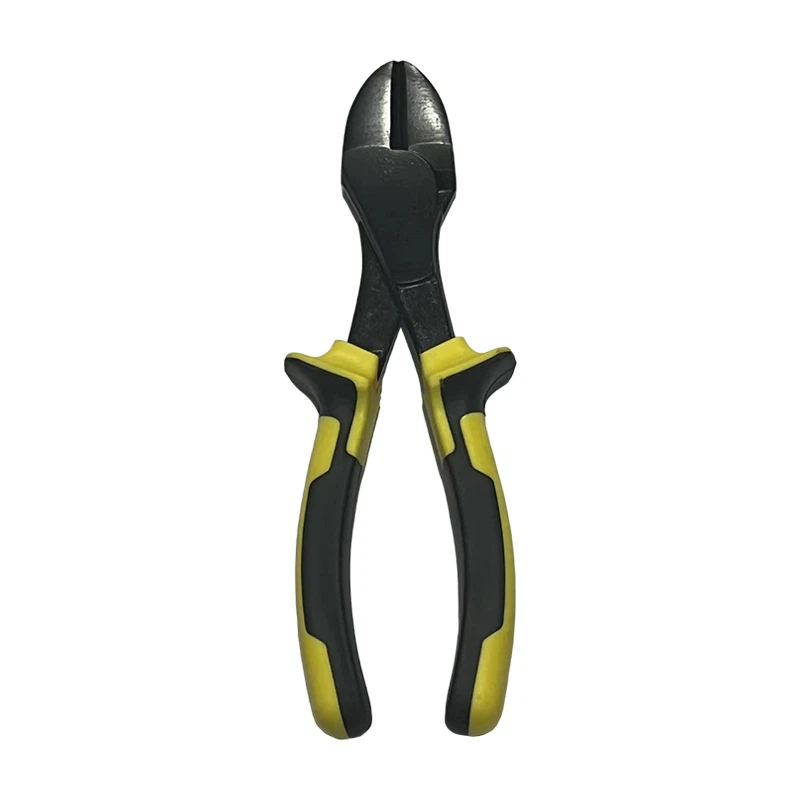
If you are interested in our Tower Pincer Pliers with rubber - coated handles, you can click Tower Pincer Plier to learn more.
2. Plastic Handles
Plastic is another popular material for the handles of Tower Pincer Pliers. Plastic handles are lightweight, which makes the pliers easier to maneuver. This is especially beneficial for tasks that require quick and repeated movements, such as electrical wiring or jewelry making.
Plastic is also highly resistant to corrosion and chemicals. This means that the handles can withstand exposure to various substances without deteriorating. For example, if you are working in a chemical laboratory or a manufacturing environment where the pliers may come into contact with solvents or acids, plastic - handled pliers are a great choice.
Furthermore, plastic can be molded into various shapes and designs, allowing for the creation of ergonomic handles. Some plastic handles are designed with ridges or contours to improve grip and reduce hand fatigue. They can also be colored or marked for easy identification, which is useful in a toolbox with multiple pliers.
3. Wood Handles
Although less common than rubber or plastic, wood handles can still be found on some Tower Pincer Pliers. Wood has a natural and traditional appeal. It provides a warm and comfortable grip, and many craftsmen appreciate the aesthetic value of wooden - handled tools.
Wood is a relatively soft material, which can offer a certain level of shock absorption. It also has a unique texture that can enhance the grip, especially when the wood is properly finished. However, wood requires more maintenance compared to rubber or plastic. It needs to be periodically oiled or treated to prevent drying, cracking, and rot.
Wood - handled Tower Pincer Pliers are often favored by traditionalists or those who work in woodworking or other crafts where the natural look and feel of wood are desired.
4. Metal Handles
In some cases, Tower Pincer Pliers may have metal handles. Metal handles are extremely durable and can withstand high levels of force. They are often used in heavy - duty applications where the pliers need to cut through thick or tough materials.
Metal handles also have good heat conductivity. This can be an advantage in some situations, such as when working with hot materials, as the heat can be dissipated more quickly. However, metal handles can become cold in cold environments, which may be uncomfortable for the user.
To improve the grip, metal handles are sometimes coated with a layer of rubber or plastic. This combination provides the durability of metal with the comfort and grip of a non - metal coating.
Comparing Different Handle Materials
Each handle material has its own set of advantages and disadvantages. When choosing Tower Pincer Pliers, it's important to consider the specific tasks you'll be using them for.

For general - purpose use, rubber - coated handles are often the best choice. They offer a good balance of grip, comfort, and shock absorption. If you need a lightweight and corrosion - resistant option, plastic handles are a great alternative. Wood handles are suitable for those who value the traditional look and feel, while metal handles are ideal for heavy - duty applications.
We also offer other types of high - quality pliers, such as Germany Type Heavy Duty Diagonal Cutting Pliers and German Type Round Nose Pliers. These pliers are designed to meet different needs and are made with the same high - quality standards as our Tower Pincer Pliers.
Conclusion
The handle material of Tower Pincer Pliers plays a crucial role in their performance and usability. Whether you choose rubber, plastic, wood, or metal handles, each material offers unique benefits that can enhance your working experience. As a supplier, we are committed to providing high - quality Tower Pincer Pliers with the best handle materials to meet your specific requirements.
If you are interested in purchasing our Tower Pincer Pliers or other hand tools, we invite you to contact us for procurement discussions. We are ready to offer you the best products and services to meet your needs.
References
- "Hand Tools: Selection and Use" - A comprehensive guide on hand tool materials and functions.
- "The Art of Pliers Making" - An in - depth look at the manufacturing process of pliers and the importance of handle materials.