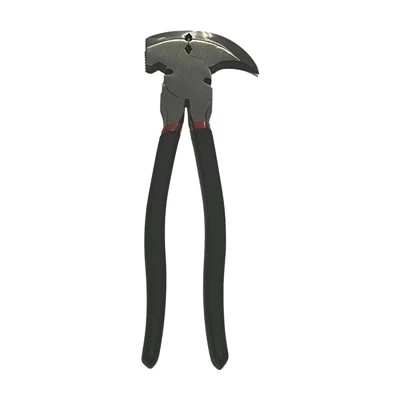
Determining the optimal time to replace fence pliers is crucial for maintaining efficiency and safety in various fencing tasks. As a reputable fence pliers supplier, I understand the importance of providing insights into this matter to help our customers make informed decisions. In this blog post, I'll delve into the key factors that indicate it's time to replace your fence pliers, ensuring you can continue your fencing projects with the best tools at your disposal.
Signs of Wear and Tear
One of the most obvious indicators that it's time to replace your fence pliers is visible wear and tear. Over time, the constant use of pliers can cause the jaws to become dull, lose their grip, or develop chips and cracks. When the jaws are no longer able to hold onto materials securely, it can lead to slippage, which not only slows down your work but also poses a safety risk. For instance, if you're working with sharp fencing wires, a slipped grip could result in injury.
Another sign of wear is the loosening of the pivot point. The pivot is what allows the pliers to open and close smoothly. If it becomes loose, the pliers may not operate as efficiently, and you may find it difficult to apply the necessary force. Additionally, a loose pivot can cause the jaws to misalign, further reducing the effectiveness of the pliers.
Corrosion is also a common issue, especially if the pliers are exposed to moisture or harsh chemicals. Rust can weaken the metal, making the pliers more prone to breakage. If you notice significant rust or corrosion on your pliers, it's a clear sign that they need to be replaced.
Performance Degradation
Beyond visible signs of wear, performance degradation is a key factor to consider. If you find that your fence pliers are no longer able to cut through wires or perform other tasks as easily as they used to, it may be time for a replacement. This could be due to dull blades, a loss of leverage, or other internal issues.
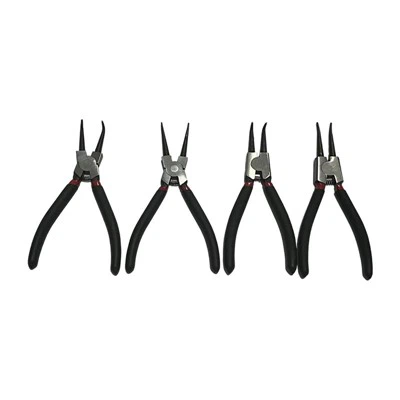
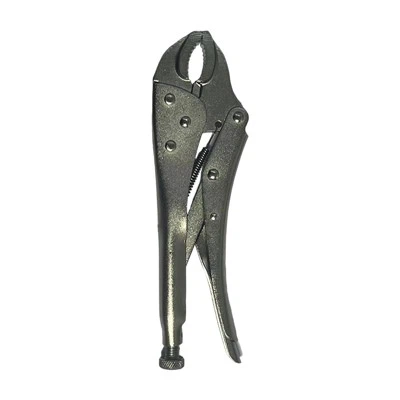
For example, if you're using Long Reach Bent Nose Plier to reach into tight spaces and you're having difficulty getting a good grip or making clean cuts, it's likely that the pliers have reached the end of their useful life. Similarly, if your Locking Grip Plier is no longer able to hold onto materials securely, it won't be as effective in tasks that require a firm grip.
Technological Advancements
The world of hand tools is constantly evolving, and new technologies are being developed to improve the performance and functionality of fence pliers. If you've been using the same pair of pliers for a long time, you may be missing out on these advancements.
Newer models of fence pliers often feature improved materials, such as high-carbon steel or alloyed metals, which offer greater strength and durability. They may also have ergonomic designs that reduce hand fatigue and improve comfort during extended use. For example, some modern pliers have padded handles or adjustable grips to provide a better fit for different hand sizes.
By upgrading to the latest models, you can take advantage of these technological improvements and make your fencing tasks easier and more efficient. Consider investing in German Type Round Nose Pliers, which are known for their precision and high-quality construction.


Frequency of Use
The frequency of use is another important factor to consider when determining when to replace your fence pliers. If you use your pliers on a daily basis for heavy-duty fencing projects, they will naturally wear out more quickly than if you only use them occasionally.
For professional fence installers or contractors, it's recommended to inspect your pliers regularly and replace them as soon as you notice any signs of wear or performance degradation. On the other hand, if you're a DIY enthusiast who only uses your pliers for occasional home projects, you may be able to get away with using them for a longer period of time. However, it's still important to keep an eye on their condition and replace them when necessary.
Cost-Benefit Analysis
When deciding whether to replace your fence pliers, it's important to conduct a cost-benefit analysis. While it may seem expensive to purchase a new pair of pliers, the cost of not replacing them can be much higher in the long run.
Using worn-out pliers can lead to increased labor costs due to slower work and the need to repeat tasks. It can also result in damage to the fencing materials, which can be costly to repair or replace. Additionally, using faulty pliers can pose a safety risk to you and your colleagues.
By investing in high-quality fence pliers and replacing them when necessary, you can improve your productivity, reduce the risk of accidents, and save money in the long term.
Conclusion
In conclusion, determining the best time to replace your fence pliers requires careful consideration of several factors, including signs of wear and tear, performance degradation, technological advancements, frequency of use, and cost-benefit analysis. By keeping an eye on these factors and replacing your pliers when necessary, you can ensure that you have the best tools for the job and continue to work efficiently and safely.
If you're in the market for new fence pliers or have any questions about our products, please don't hesitate to reach out. We're here to help you find the right tools for your needs and provide you with the support and expertise you deserve. Contact us today to start the procurement discussion and take your fencing projects to the next level.
References
- "Hand Tools: A Guide to Selection and Use." Industrial Press Inc., 2019.
- "The Complete Guide to Fence Installation." DIY Network, 2020.