Pliers are indispensable hand tools widely used in various industries, from electrical work and plumbing to jewelry making and automotive repair. As a professional pliers supplier, I've had extensive experience with different types of pliers and have witnessed firsthand the common problems that users encounter. In this blog post, I'll delve into these issues, providing insights and solutions to help you make the most of your pliers.
1. Dull Cutting Edges
One of the most prevalent problems with pliers, especially those used for cutting tasks such as German Type End Cutting Pliers, is dull cutting edges. Over time, continuous use on hard materials like wire, nails, or metal sheets can cause the cutting edges to wear down. When the edges are dull, they require more force to cut through materials, and the cuts may be uneven or ragged. This not only affects the quality of the work but also increases the risk of injury as the user may need to apply excessive pressure.
To address this issue, regular maintenance is crucial. Sharpening the cutting edges can restore their functionality. You can use a fine-grit sharpening stone or a specialized tool for plier sharpening. It's important to follow the correct angle and technique when sharpening to ensure that the edges remain straight and sharp. Additionally, avoid using pliers on materials that are too hard for their intended purpose, as this can accelerate the dulling process.
2. Loose Joints
Another common problem is loose joints. Pliers have a pivot point or joint that allows the two handles to open and close. With frequent use, the joint can become loose, causing the pliers to wobble or not close properly. This can make it difficult to grip materials securely and can also affect the accuracy of cutting or bending operations.
Loose joints can be caused by normal wear and tear, improper use, or manufacturing defects. To fix a loose joint, you can try tightening the pivot screw if it's adjustable. Some pliers have a screw that can be tightened with a screwdriver to reduce the play in the joint. If the problem persists, it may be necessary to replace the pivot pin or other components. In some cases, it's best to consult a professional or contact the manufacturer for repair or replacement options.
3. Poor Grip
A good grip is essential for effective use of pliers. However, many users experience problems with poor grip, which can lead to slippage and reduced control. This can be due to several factors, including worn or damaged handles, smooth surfaces, or improper sizing.
Worn handles can lose their texture and become slippery, especially when wet or oily. Smooth handles may not provide enough friction for a secure grip. Additionally, if the pliers are too large or too small for the user's hand, it can be difficult to maintain a proper grip.
To improve the grip, you can consider using grip tape or rubber sleeves on the handles. These can add texture and increase friction, making it easier to hold the pliers firmly. When choosing pliers, make sure to select the right size for your hand. Some pliers also come with ergonomic handles that are designed to fit the natural shape of the hand, providing a more comfortable and secure grip.
4. Rust and Corrosion
Pliers are often exposed to moisture, especially in environments such as plumbing or outdoor work. Over time, this can lead to rust and corrosion, which can damage the pliers and affect their performance. Rust can cause the cutting edges to become dull, the joints to seize up, and the handles to become rough and uncomfortable to hold.
To prevent rust and corrosion, it's important to keep the pliers dry and clean. After use, wipe them down with a dry cloth to remove any moisture or debris. You can also apply a thin layer of oil or lubricant to the metal parts to protect them from rust. If the pliers do develop rust, you can try removing it with a wire brush or a rust remover. However, if the rust is severe, it may be necessary to replace the pliers.
5. Inaccurate Bending and Shaping
Pliers are commonly used for bending and shaping tasks, such as forming wires or creating loops. However, inaccurate bending and shaping can occur if the pliers are not used correctly or if they have design flaws. For example, American Type Round Nose Plier are used for creating round shapes, but if the nose is not the right size or shape, the resulting bends may be uneven or not the desired diameter.
To ensure accurate bending and shaping, it's important to choose the right type of pliers for the task. Different pliers are designed for specific bending and shaping operations, such as round nose pliers for circular bends and flat nose pliers for straight bends. Additionally, practice using the pliers on scrap materials first to get a feel for the correct technique and to ensure that you can achieve the desired results.
6. Insufficient Insulation
For electrical work, pliers with proper insulation are essential to protect the user from electric shock. However, some pliers may have insufficient insulation, which can pose a serious safety risk. This can be due to manufacturing defects, damaged insulation, or improper use.
When using pliers for electrical work, always make sure that they are rated for the appropriate voltage and that the insulation is in good condition. Inspect the insulation regularly for any signs of damage, such as cracks or cuts. If the insulation is damaged, do not use the pliers and replace them immediately.
7. Limited Reach
In some situations, the reach of the pliers may be limited, making it difficult to access certain areas. This can be a problem in tight spaces or when working on objects that are deep within a structure. For example, Wire Stripping Pliers may not be able to reach wires that are located in a narrow conduit or behind a panel.
To overcome the issue of limited reach, you can consider using pliers with longer handles or specialized tools designed for hard-to-reach areas. Some pliers also come with extended tips or jaws that can provide additional reach. Additionally, using flexible extensions or articulating tools can help you access areas that are otherwise difficult to reach.
Conclusion
As a pliers supplier, I understand the importance of providing high-quality tools that are reliable and durable. By being aware of the common problems with pliers and taking appropriate measures to prevent and address them, you can ensure that your pliers perform at their best and last for a long time.

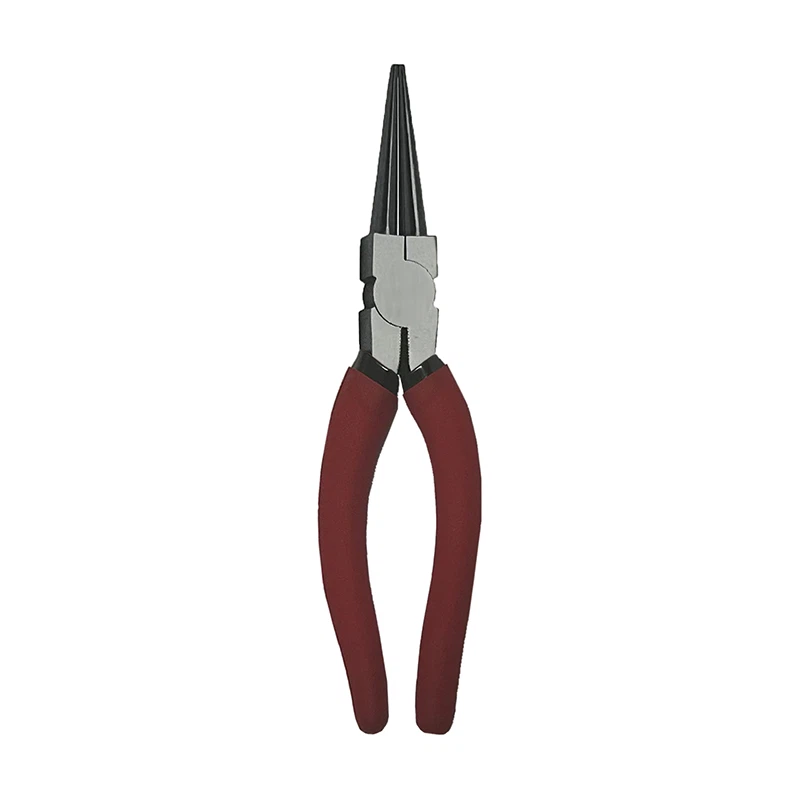
If you're experiencing any of these problems with your pliers or are looking for high-quality pliers for your next project, I encourage you to contact me for more information. I can provide you with a wide range of pliers options, including American Type Round Nose Plier, German Type End Cutting Pliers, and Wire Stripping Pliers, and offer expert advice on choosing the right pliers for your needs. Let's work together to find the perfect pliers for your tasks and ensure your success in your projects.
References
- "Hand Tools: Pliers and Wrenches" by The McGraw-Hill Companies.
- "The Complete Guide to Pliers" by DIY Network.
- Various industry standards and guidelines for pliers manufacturing and use.