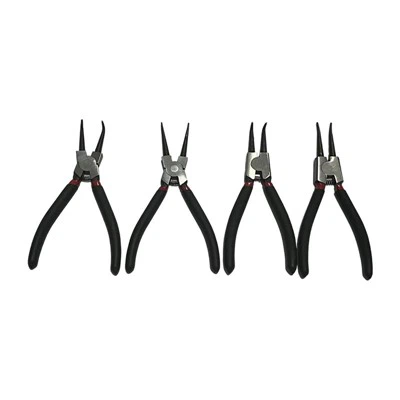
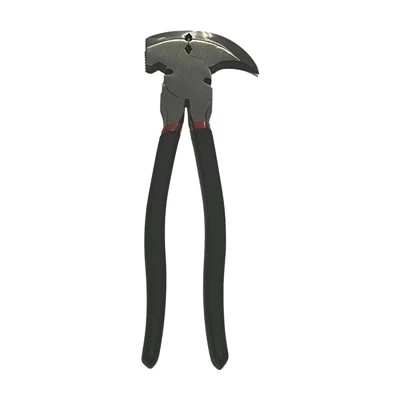
When it comes to small - scale construction work, one often wonders if a cutting pliers set is a suitable tool. As a supplier of cutting pliers sets, I've had the opportunity to observe the practical use of these tools in various small - scale construction scenarios. In this blog, I'll explore the features, advantages, and limitations of cutting pliers sets for small - scale construction work.
Features of Cutting Pliers Sets
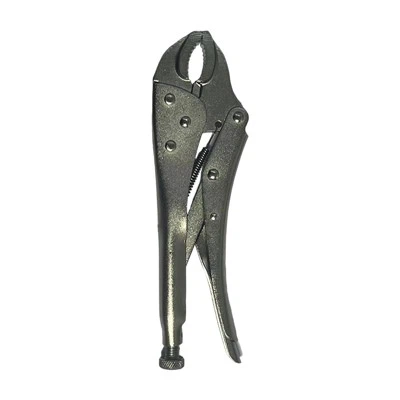
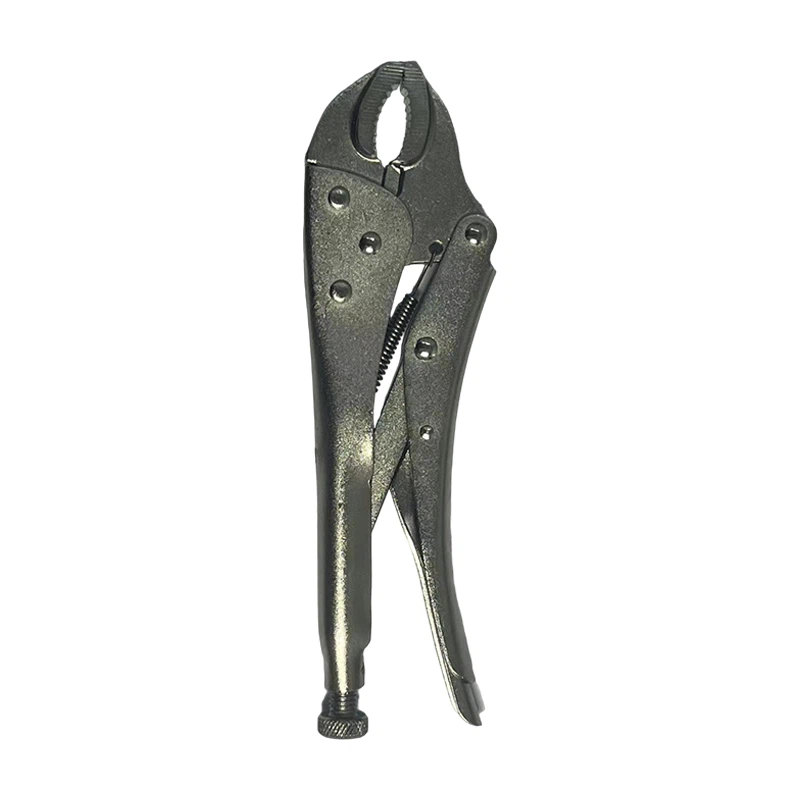
Cutting pliers sets typically include a variety of pliers with different functions. For instance, there are Locking Grip Plier which can hold objects firmly in place. These pliers have a locking mechanism that allows them to maintain a constant grip on materials, which is extremely useful when you need to hold a piece of metal or wire in a fixed position during construction.
Another common type is the Long Handled O - shaped Pliers. The long handles provide extra leverage, making it easier to cut through thicker materials. The O - shaped jaws are designed to grip round objects such as pipes or cables effectively. They are also useful for bending and shaping materials in small - scale construction projects.
German Type Flat Nose Pliers are also a part of many cutting pliers sets. These pliers have flat, parallel jaws that are ideal for gripping and manipulating flat materials. They can be used for tasks like flattening metal sheets, straightening wires, or holding small components in place during assembly.
Advantages of Using Cutting Pliers Sets in Small - Scale Construction
Versatility
One of the biggest advantages of a cutting pliers set is its versatility. In small - scale construction, you often need to perform multiple tasks with limited tools. A cutting pliers set can handle a wide range of jobs, from cutting wires and cables to bending and shaping metal components. For example, if you are building a small metal frame for a shed or a greenhouse, you can use the different types of pliers in the set to cut the wires to the right length, bend them into shape, and secure the joints.
Precision
Cutting pliers allow for a high degree of precision. When working on small - scale construction projects, accuracy is crucial. The sharp jaws of the pliers can make clean cuts, and the ability to grip materials firmly ensures that you can manipulate them with precision. For instance, when installing electrical wiring in a small building, you need to make precise cuts and connections. A good pair of cutting pliers can help you achieve this without damaging the wires.
Portability
Small - scale construction work often involves working in tight spaces or on - site locations where large tools may not be practical. Cutting pliers sets are relatively small and lightweight, making them easy to carry around. You can keep a set in your toolbox and take it with you wherever the job takes you. This portability allows for greater flexibility in your work.
Cost - effectiveness
Compared to larger, specialized construction tools, a cutting pliers set is relatively inexpensive. For small - scale construction projects with a limited budget, investing in a good quality cutting pliers set can provide a cost - effective solution. You get a variety of tools in one package, which can save you money in the long run.
Limitations of Cutting Pliers Sets in Small - Scale Construction
Limited Cutting Capacity
While cutting pliers are great for cutting small - gauge wires and thin metal sheets, they have limitations when it comes to cutting thicker materials. For example, if you need to cut through large - diameter pipes or heavy - duty metal bars, cutting pliers may not be sufficient. In such cases, you may need to use more powerful cutting tools such as saws or angle grinders.

Physical Effort
Using cutting pliers for extended periods can be physically demanding. Cutting through tough materials requires a significant amount of force, which can cause fatigue in your hands and wrists. This can be a drawback, especially if you have a large number of cuts to make or if the materials are particularly hard.
Lack of Specialized Functions
In some small - scale construction projects, you may require specialized tools for specific tasks. For example, if you are working on a project that involves soldering, a cutting pliers set alone may not be enough. You would need additional tools such as a soldering iron and a flux dispenser.
Factors to Consider When Choosing a Cutting Pliers Set for Small - Scale Construction
Quality of Materials
The quality of the materials used in the pliers is crucial. High - quality steel is essential for sharp and durable cutting edges. Look for pliers that are made from chrome - vanadium steel or similar high - grade alloys. These materials are resistant to corrosion and wear, ensuring that the pliers will last a long time.
Comfort of Grip
Since you will be using the pliers for extended periods, a comfortable grip is important. Look for pliers with ergonomic handles that are designed to reduce hand fatigue. Some pliers have cushioned grips or contoured shapes that fit the natural shape of your hand.
Set Completeness
Consider the types of pliers included in the set. Make sure that the set contains the types of pliers that you will need for your specific small - scale construction projects. For example, if you are working on electrical projects, you may need wire - cutting pliers and long - nose pliers. If you are working with metal, you may need flat - nose pliers and locking pliers.
Conclusion
In conclusion, a cutting pliers set can be a valuable tool for small - scale construction work. Its versatility, precision, portability, and cost - effectiveness make it a great addition to any small - scale construction toolbox. However, it also has its limitations, such as limited cutting capacity and the need for physical effort. When choosing a cutting pliers set, consider factors such as the quality of materials, comfort of grip, and set completeness.
If you are interested in purchasing a high - quality cutting pliers set for your small - scale construction projects, please feel free to contact us for more information and to discuss your specific needs. We are here to help you find the right tools for your job.
References
- Black, J. T., & Kohser, R. A. (2006). DeGarmo's Materials and Processes in Manufacturing. John Wiley & Sons.
- Groover, M. P. (2010). Fundamentals of Modern Manufacturing: Materials, Processes, and Systems. John Wiley & Sons.
- American National Standards Institute. (2010). ANSI B107.4-2010 Safety Requirements for Handheld Powered and Non - Powered Pliers and Snips.