Pliers are versatile hand tools that have been essential in various industries and DIY projects for centuries. As a pliers supplier, I understand the importance of using these tools safely to prevent accidents and ensure their longevity. In this blog post, I will share some valuable tips on how to use pliers safely, covering different types of pliers and their specific applications.
Understanding Different Types of Pliers
Before delving into safety tips, it's crucial to understand the different types of pliers available and their intended uses. Here are some common types of pliers that we supply:
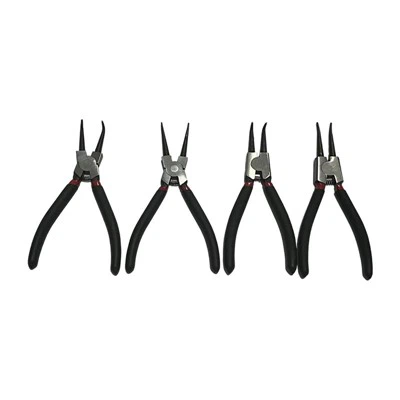
- American Type Bent Nose Pliers: These pliers have a curved tip, which makes them ideal for reaching into tight spaces and working with small objects. You can find more information about our American Type Bent Nose Pliers.
- Long Reach Flat Nose Plier: As the name suggests, these pliers have a long reach and a flat nose, making them suitable for gripping and bending objects in hard-to-reach areas. Check out our Long Reach Flat Nose Plier for more details.
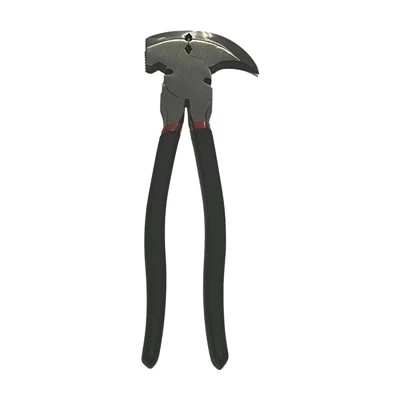
- Carpenters End Cutting Pliers: Designed specifically for carpentry work, these pliers have a cutting edge at the end, allowing you to cut wires and nails easily. Learn more about our Carpenters End Cutting Pliers.
Safety Precautions Before Using Pliers
- Inspect the Pliers: Before using any pliers, carefully inspect them for any signs of damage, such as cracks, bent jaws, or loose handles. Using damaged pliers can increase the risk of accidents and may also affect the quality of your work. If you notice any damage, do not use the pliers and replace them immediately.
- Wear Appropriate Safety Gear: Always wear safety glasses to protect your eyes from flying debris, especially when cutting wires or nails. Additionally, consider wearing gloves to provide a better grip and protect your hands from cuts and abrasions.
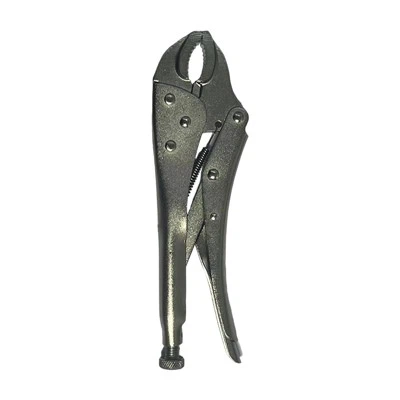
- Choose the Right Pliers for the Job: Using the wrong type of pliers can not only make the task more difficult but also increase the risk of injury. Make sure to select the appropriate pliers for the specific task at hand. For example, use cutting pliers for cutting wires and gripping pliers for holding objects.
Safe Handling Techniques
- Hold the Pliers Correctly: To ensure maximum control and safety, hold the pliers firmly but not too tightly. Place your thumb and forefinger on the handles, and use your other fingers to support the pliers. Avoid gripping the pliers too close to the jaws, as this can reduce your leverage and make it more difficult to control the tool.
- Position the Pliers Properly: When using pliers, position them so that the jaws are perpendicular to the object you are working on. This will ensure a secure grip and prevent the object from slipping out of the jaws. If you need to apply pressure, do so gradually and evenly to avoid overloading the pliers.
- Use the Pliers for Their Intended Purpose: Pliers are designed for specific tasks, and using them for other purposes can damage the tool and increase the risk of injury. For example, do not use cutting pliers to pry open objects or use gripping pliers to cut wires. Always follow the manufacturer's instructions and use the pliers as intended.
Cutting and Gripping Safety
- Cutting Wires and Nails: When cutting wires or nails, make sure to position the cutting edge of the pliers as close to the object as possible. This will reduce the amount of force required and prevent the wire or nail from bending or breaking prematurely. Additionally, hold the object firmly with the other hand to prevent it from moving while you are cutting.
- Gripping Objects: When gripping objects with pliers, make sure to use the appropriate part of the jaws. For example, use the serrated part of the jaws for gripping rough or irregular objects, and use the smooth part of the jaws for gripping delicate or smooth objects. Avoid applying too much pressure, as this can damage the object or the pliers.
- Avoid Overloading the Pliers: Pliers have a maximum capacity, and exceeding this capacity can damage the tool and increase the risk of injury. Make sure to check the manufacturer's specifications and do not use the pliers to grip or cut objects that are too large or too hard.
Maintenance and Storage
- Keep the Pliers Clean: After each use, clean the pliers with a dry cloth to remove any dirt, debris, or oil. This will prevent the build-up of corrosion and ensure the smooth operation of the tool. If the pliers are particularly dirty, you can use a mild detergent and water to clean them, but make sure to dry them thoroughly before storing them.
- Lubricate the Pliers: To keep the pliers in good working condition, lubricate the moving parts regularly with a light oil. This will reduce friction and wear, and extend the lifespan of the tool. Make sure to apply the oil sparingly and wipe off any excess oil to prevent it from attracting dirt and debris.
- Store the Pliers Properly: When not in use, store the pliers in a dry, cool place. Avoid storing them in a damp or humid environment, as this can cause corrosion and damage the tool. You can use a toolbox or a storage rack to keep the pliers organized and protected.
Training and Education
- Provide Training to Employees: If you are using pliers in a professional setting, it's important to provide proper training to your employees on how to use the tools safely. This will ensure that they understand the risks involved and know how to use the pliers correctly. You can provide training through on-the-job training, online courses, or by hiring a professional trainer.
- Stay Up-to-Date with Safety Standards: Safety standards and regulations are constantly evolving, so it's important to stay up-to-date with the latest information. Make sure to review the manufacturer's instructions and safety guidelines regularly, and follow any changes or updates to the safety standards. You can also consult with a safety professional or industry expert for advice on how to use pliers safely.
Conclusion
Using pliers safely is essential to prevent accidents and ensure the quality of your work. By following the tips and techniques outlined in this blog post, you can minimize the risk of injury and get the most out of your pliers. Remember to always inspect the pliers before use, wear appropriate safety gear, choose the right pliers for the job, and use the pliers correctly. Additionally, make sure to maintain and store the pliers properly, and provide training and education to your employees if necessary.
If you are interested in purchasing high-quality pliers for your business or personal use, please feel free to contact us for a quote. We offer a wide range of pliers, including American Type Bent Nose Pliers, Long Reach Flat Nose Plier, and Carpenters End Cutting Pliers. Our team of experts is always available to assist you with your purchasing decisions and provide you with the best possible service.


References
- Occupational Safety and Health Administration (OSHA). (n.d.). Hand and Power Tool Safety. Retrieved from [OSHA Website]
- American National Standards Institute (ANSI). (n.d.). Safety Requirements for Hand Tools - Pliers and Cutters. Retrieved from [ANSI Website]
- Manufacturer's Instructions and Safety Guidelines for Pliers.