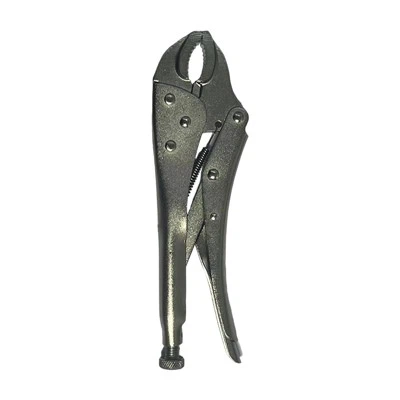
Hey there! As a supplier of locking grip pliers, I've seen my fair share of issues with these handy tools not locking properly. It can be super frustrating when you're in the middle of a project and your pliers just won't do their job. But don't worry, I'm here to walk you through some common problems and how to troubleshoot them.
Check for Debris and Dirt
One of the most common reasons why a locking grip plier might not lock properly is the presence of debris or dirt in the locking mechanism. Over time, dust, rust, and other particles can build up, preventing the jaws from closing and locking securely.
To fix this, start by giving your pliers a good visual inspection. Look for any obvious signs of dirt or debris around the locking area. If you see anything, use a clean, dry cloth to wipe it away. For more stubborn dirt, you can use a small brush, like an old toothbrush, to gently scrub the area.
If the dirt is really stuck, you might need to use a little bit of lubricant. A light machine oil or a silicone-based lubricant can work wonders. Apply a small amount to the locking mechanism and work the pliers open and closed a few times to distribute the lubricant. Just make sure to wipe off any excess oil to prevent it from attracting more dirt.
Examine the Locking Lever
The locking lever is a crucial part of the pliers that allows you to adjust the grip and lock it in place. If the lever is damaged or not working correctly, it can cause problems with the locking function.
First, check to see if the lever moves smoothly. If it feels stiff or doesn't move at all, there might be an issue with the pivot point. You can try applying some lubricant to the pivot to see if that helps. If the lever still doesn't move properly, it could be bent or broken. In this case, you might need to replace the lever.
Another thing to look for is if the lever is not engaging properly with the teeth on the locking mechanism. Sometimes, the teeth can get worn down or damaged, preventing the lever from locking securely. If you notice any signs of wear on the teeth, it's a good idea to replace the locking mechanism.
Inspect the Jaws
The jaws of the pliers are what actually grip the object you're working on. If the jaws are misaligned or damaged, it can affect the locking function.
Check to see if the jaws close evenly. If one side is closing more than the other, it could be a sign of misalignment. You can try adjusting the jaws by gently bending them back into place. Just be careful not to overdo it, as this can cause further damage.


Also, look for any signs of wear or damage on the jaws. If the jaws are worn down, they might not be able to grip the object tightly enough to lock properly. In this case, you might need to replace the jaws. You can find replacement jaws for most locking grip pliers at your local hardware store or online.
Tighten Loose Screws
Sometimes, the problem with a locking grip plier not locking properly can be as simple as a loose screw. Over time, the screws that hold the pliers together can come loose, causing the parts to move around and affecting the locking function.
Use a screwdriver to check all the screws on the pliers. Tighten any that are loose, but be careful not to overtighten them, as this can strip the threads. If you're not sure which screws need to be tightened, refer to the manufacturer's instructions or look for any obvious signs of movement or play in the parts.
Consider the Type of Pliers
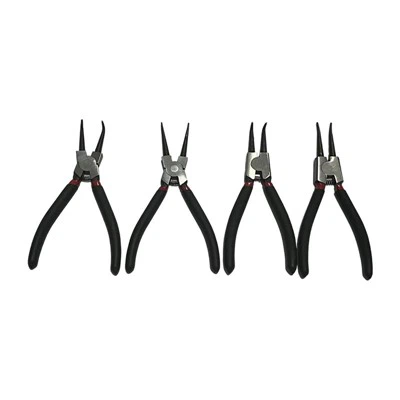
There are different types of locking grip pliers available, and each type might have its own unique set of issues. For example, Germany Type Long Nose Pliers Germany Type Long Nose Pliers and American Type Long Nose Pliers American Type Long Nose Pliers have different designs that can affect the locking function.
If you're having trouble with a specific type of pliers, it's a good idea to do some research on that particular model. Look for any common problems or troubleshooting tips that other users have shared. You can also check the manufacturer's website for any product-specific information or support.
When to Replace the Pliers
If you've tried all the troubleshooting steps above and your locking grip pliers still aren't locking properly, it might be time to consider replacing them. Sometimes, the damage is too severe or the parts are too worn out to be fixed.
When it's time to buy new pliers, make sure to choose a high-quality product. Look for pliers that are made from durable materials and have a good reputation for reliability. You might also want to consider the type of work you'll be doing with the pliers. For example, if you need pliers for delicate work, you might want to choose a pair of long nose pliers, like the Germany Type Long Nose Pliers Germany Type Long Nose Pliers or the American Type Long Nose Pliers American Type Long Nose Pliers. If you need pliers for cutting, a Cutting Pliers Set Cutting Pliers Set might be a better option.
Conclusion
Troubleshooting a locking grip plier that is not locking properly can be a bit of a hassle, but it's usually not too difficult. By following the steps above, you should be able to identify and fix most common problems. And if all else fails, don't hesitate to replace the pliers with a new, high-quality pair.
If you're in the market for locking grip pliers or any other hand tools, I'd love to help you out. As a supplier, I have a wide range of products to choose from, and I can offer you competitive prices and excellent customer service. Whether you're a professional tradesperson or a DIY enthusiast, I'm sure I can find the right tools for your needs. So, feel free to reach out to me if you have any questions or if you're interested in making a purchase. Let's get you back to work with the right tools in your hands!
References
- "Hand Tool Maintenance Guide." Popular Mechanics.
- "How to Fix Locking Pliers." Family Handyman.