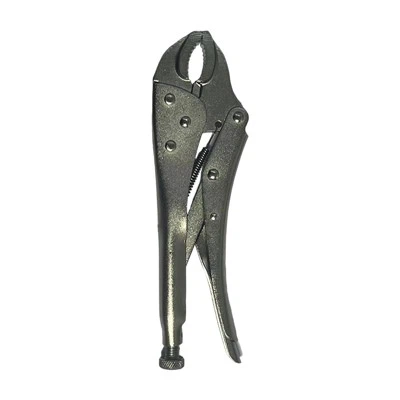
Hey there! As a supplier of locking grip pliers, I've seen firsthand how important it is to keep these tools in top - notch condition. One of the most crucial aspects of maintaining a locking grip plier is ensuring the sharpness of its jaws. In this blog, I'm gonna share some practical tips on how to maintain that sharpness, so your pliers can keep performing at their best.
Understanding the Basics of Locking Grip Pliers
Before we dive into the maintenance part, let's quickly go over what locking grip pliers are. These handy tools are designed with a locking mechanism that allows you to clamp down on an object with a specific amount of force and keep it there. The jaws are the business end of the pliers, and their sharpness determines how well they can grip, cut, or manipulate materials.
Regular Cleaning
The first step in maintaining the sharpness of the jaws is regular cleaning. Every time you use your locking grip pliers, they come into contact with various substances like dirt, grease, and metal shavings. These contaminants can dull the jaws over time and even cause corrosion.

To clean the jaws, start by wiping them down with a clean, dry cloth. If there's stubborn dirt or grease, you can use a mild solvent. Just make sure to follow the manufacturer's instructions when using solvents. After cleaning, dry the jaws thoroughly to prevent rust. You can also apply a thin layer of lubricant to protect the metal. This not only helps keep the jaws sharp but also ensures smooth operation of the locking mechanism.
Correct Usage
How you use your locking grip pliers plays a huge role in maintaining the sharpness of the jaws. Using them for tasks they're not designed for can quickly wear down the jaws. For example, don't use your locking grip pliers to cut through hard materials like high - carbon steel if they're not rated for it. Stick to the recommended materials and applications in the product manual.
Also, avoid over - tightening the pliers. Excessive force can deform the jaws and reduce their sharpness. When using the locking mechanism, apply just enough pressure to hold the object securely. If you need more force, consider using a larger or more heavy - duty pair of pliers.
Sharpening the Jaws
Even with proper cleaning and usage, the jaws of your locking grip pliers will eventually dull. When this happens, it's time to sharpen them. There are a few different methods you can use.
One common method is using a bench grinder. If you're using a bench grinder, make sure to wear safety goggles and follow all safety precautions. Hold the pliers firmly and gently touch the jaws to the grinding wheel at the correct angle. Move the pliers back and forth slowly to ensure an even grind. However, be careful not to over - grind the jaws, as this can change their shape and reduce their effectiveness.
Another option is using a sharpening stone. This is a more controlled method and is great for small touch - ups. Wet the sharpening stone with water or oil, depending on the type of stone. Then, hold the pliers at the appropriate angle and move the jaws across the stone in a smooth, consistent motion. Repeat this process until the jaws are sharp.
Storage
Proper storage is also essential for maintaining the sharpness of the jaws. When you're not using your locking grip pliers, store them in a dry place. Moisture can cause rust and corrosion, which will quickly dull the jaws. You can use a toolbox or a storage case to protect the pliers from dust and other contaminants.
If you have multiple pairs of pliers, make sure to separate them to prevent the jaws from rubbing against each other. You can use dividers in your toolbox or wrap each pair in a soft cloth.
Other Related Pliers
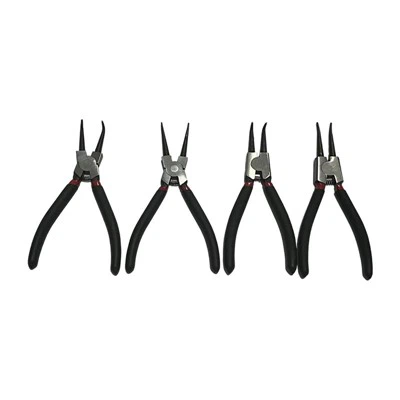
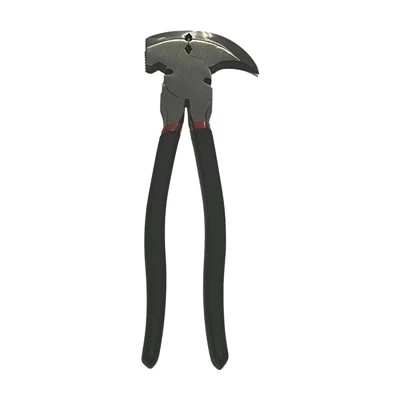
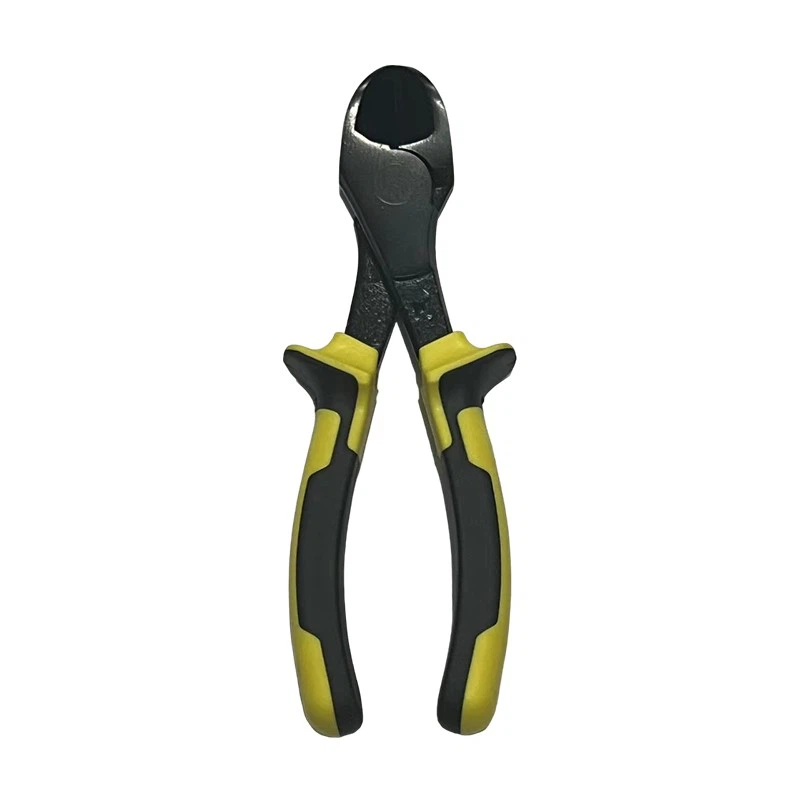
If you're in the market for different types of pliers, we also offer a variety of options. Check out our Germany Type Long Nose Pliers, which are great for precision work. Our Carpenters End Cutting Pliers are perfect for carpentry tasks, and the Germany Type Heavy Duty Diagonal Cutting Pliers are built to handle tough cutting jobs.
Conclusion
Maintaining the sharpness of the jaws of a locking grip plier is not that difficult if you follow these simple steps. Regular cleaning, correct usage, proper sharpening, and good storage practices will keep your pliers in great shape for a long time. Whether you're a professional tradesperson or a DIY enthusiast, having sharp - jawed locking grip pliers can make your work much easier and more efficient.
If you're interested in purchasing high - quality locking grip pliers or any of our other plier products, feel free to reach out to us for a procurement discussion. We're always here to help you find the right tools for your needs.
References
- General knowledge from years of experience as a locking grip plier supplier.
- Product manuals and guidelines from plier manufacturers.