Hey there! As a supplier of German Type Flat Nose Pliers, I've seen firsthand how important it is to keep these tools in top - notch condition. The jaws of these pliers are the workhorses, and cleaning them properly can extend their lifespan and improve their performance. So, let's dive into how to clean the jaws of German Type Flat Nose Pliers.
Why Clean the Jaws?
First off, you might be wondering why you even need to clean the jaws. Well, over time, debris, dirt, and even metal shavings can build up on the jaws. This not only makes the pliers look bad but can also affect their functionality. When there's gunk on the jaws, they might not grip objects as tightly as they should, which can be a real pain when you're trying to get a job done. Plus, if you're working with sensitive materials, the dirt on the jaws could transfer to your workpiece and mess it up.
Tools You'll Need
Before you start cleaning, gather the necessary tools. You'll need a soft - bristle brush, like an old toothbrush. This is great for getting into the nooks and crannies of the jaws. You'll also need a cleaning solvent. You can use a commercial degreaser or a simple mixture of warm water and mild dish soap. A clean, dry cloth is essential for drying the pliers after cleaning. And if you want to give your pliers some extra love, you can have some lubricant on hand.
Step - by - Step Cleaning Process
Step 1: Safety First
Before you start cleaning, make sure the pliers are not in use and are in a safe position. If there are any objects clamped in the jaws, remove them carefully. You don't want to accidentally pinch your fingers or damage the pliers during the cleaning process.
Step 2: Remove Loose Debris
Use the soft - bristle brush to gently brush away any loose dirt, dust, or metal shavings from the jaws. Start from the tips of the jaws and work your way towards the base. Be thorough but gentle. You don't want to scratch the surface of the jaws. If there are any large pieces of debris that are stuck, you can try using a pair of tweezers to carefully remove them.
Step 3: Apply the Cleaning Solvent
If you're using a commercial degreaser, follow the instructions on the label. Usually, you'll need to spray or apply a small amount of the solvent to the jaws. If you're using the warm water and dish soap mixture, dip the brush into the solution and then gently scrub the jaws. Make sure to cover all areas of the jaws, including the inside where the gripping surfaces are. The solvent will help break down any stubborn grease or grime.
Step 4: Scrub the Jaws
Use the brush to scrub the jaws in a back - and - forth motion. Pay special attention to any areas where there are visible stains or build - up. You might need to put a little extra pressure on these spots, but again, be careful not to scratch the jaws. If the dirt is really stubborn, you can let the solvent sit on the jaws for a few minutes before scrubbing again.
Step 5: Rinse the Jaws
If you're using a water - based cleaning solution, rinse the jaws thoroughly under running water. Make sure to remove all traces of the soap or solvent. If you're using a commercial degreaser, check the label to see if rinsing is necessary. Some degreasers are designed to evaporate on their own without the need for rinsing.
Step 6: Dry the Jaws
Use a clean, dry cloth to wipe the jaws dry. Make sure to remove all moisture, as water can cause the jaws to rust over time. You can also let the pliers air - dry for a few minutes to be extra sure.
Step 7: Lubricate the Jaws (Optional)
If you want to keep the jaws working smoothly, you can apply a small amount of lubricant. There are special lubricants designed for tools, but you can also use a light machine oil. Apply a drop or two of the lubricant to the moving parts of the jaws and then open and close the pliers a few times to distribute the lubricant evenly.
Tips for Maintaining Clean Jaws
- Regular Cleaning: Make it a habit to clean the jaws of your German Type Flat Nose Pliers after each use. This will prevent dirt and debris from building up over time.
- Proper Storage: Store your pliers in a clean, dry place. If possible, keep them in a toolbox or a case to protect them from dust and moisture.
- Avoid Overloading: Don't use the pliers to grip objects that are too large or too hard for them. This can cause damage to the jaws and make them more difficult to clean.
Other Pliers in Our Range
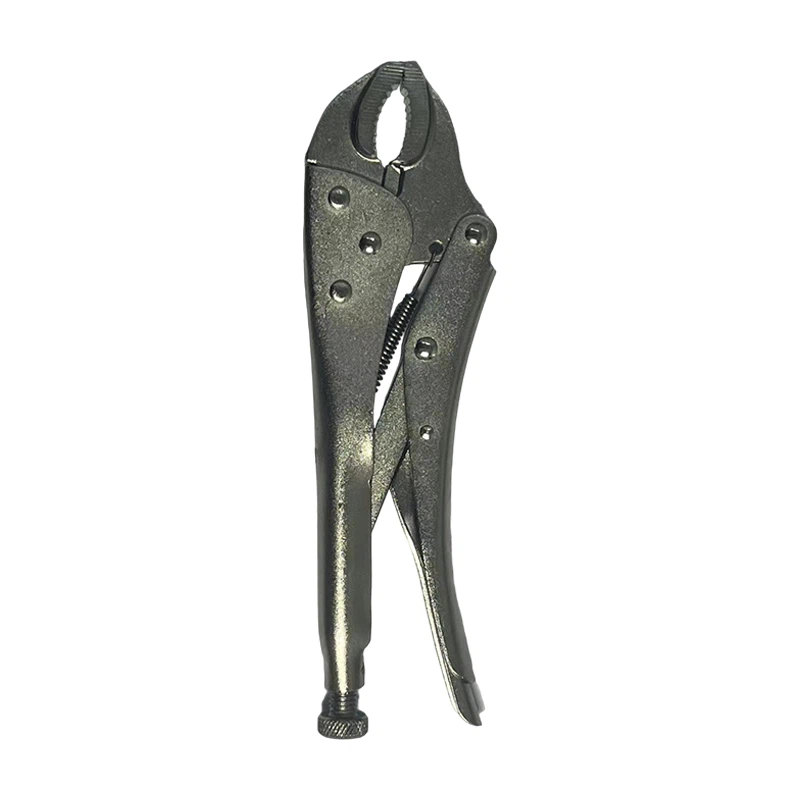
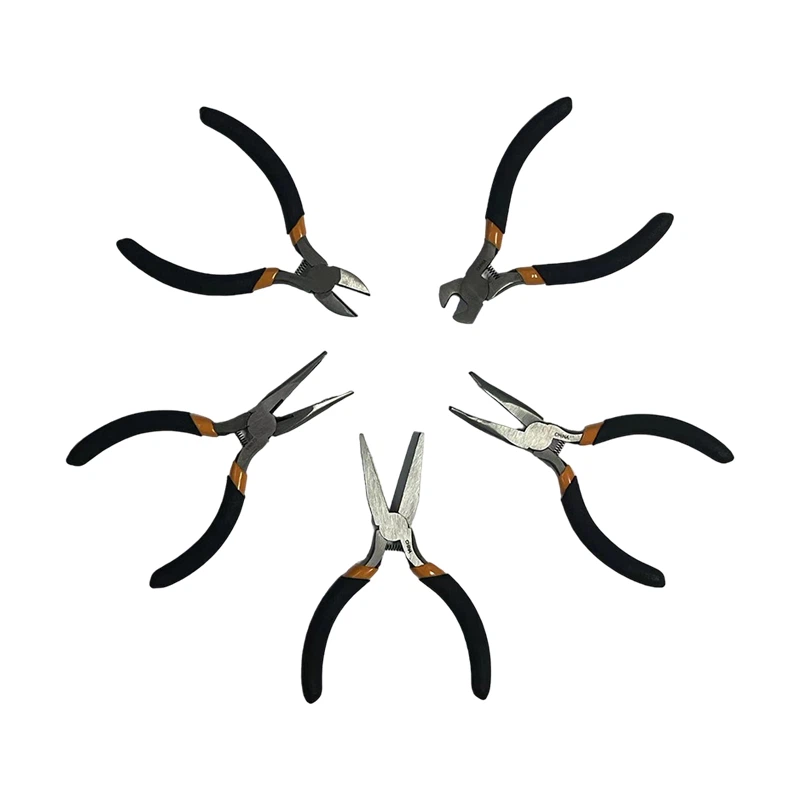
We're not just about German Type Flat Nose Pliers. We also offer a wide range of other high - quality pliers. Check out our [Mini Pliers Set](/hand - tools/pliers/mini - pliers - set.html). It's perfect for those delicate jobs where you need precision. And if you're looking for something more adjustable, our [Adjustable Water Pump Pliers](/hand - tools/pliers/adjustable - water - pump - pliers.html) are a great choice. They can handle a variety of sizes and shapes. For jobs that require a strong grip, our [Locking Grip Plier](/hand - tools/pliers/locking - grip - plier.html) is a must - have.
Contact Us for Purchase
If you're interested in our German Type Flat Nose Pliers or any of our other products, we'd love to hear from you. Whether you're a professional tradesperson or a DIY enthusiast, we have the right tools for you. Contact us to start a purchase negotiation and get the best deals on high - quality pliers.
References
- General knowledge of tool maintenance and cleaning techniques.
- Experience as a supplier of German Type Flat Nose Pliers.