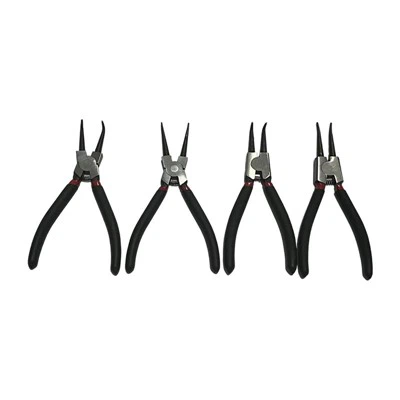
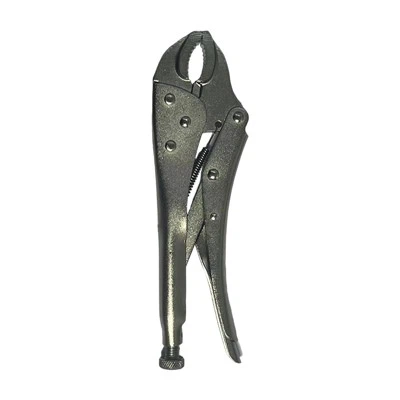
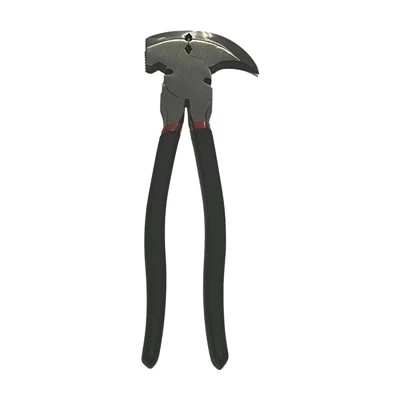
Hey there! As a supplier of German Type Round Nose Pliers, I know how important it is to keep these tools in top - notch condition. These pliers are super handy for all sorts of tasks, like jewelry making, electrical work, and DIY projects. But over time, they can get dirty, and that's when their performance might start to slip. So, let's dive into how to clean German Type Round Nose Pliers properly.
Why Cleaning is a Must
First off, you might be wondering why cleaning these pliers is such a big deal. Well, dirt, debris, and even rust can build up on the pliers. This not only makes them look bad but can also affect their functionality. For example, if there's dirt between the jaws, it can prevent them from closing properly, which means you won't get a good grip on whatever you're working with. Rust can also weaken the metal over time, shortening the lifespan of your pliers.
Gathering Your Cleaning Supplies
Before you start cleaning, you'll need to gather a few supplies. You don't need anything too fancy. Here's what you'll need:


- A small brush: A toothbrush works great. It's small enough to get into all the nooks and crannies of the pliers.
- Mild detergent: You can use dish soap. It's gentle enough not to damage the pliers but strong enough to cut through grease and grime.
- A clean cloth: This will be used to dry the pliers after cleaning.
- Some lubricant: WD - 40 or a similar product can be used to lubricate the moving parts of the pliers.
The Cleaning Process
Step 1: Remove Loose Debris
Start by using the small brush to gently remove any loose dirt, dust, or debris from the pliers. Pay special attention to the jaws, the pivot point, and any other areas where dirt might accumulate. You can use the brush to scrub a little bit, but don't be too rough as you don't want to scratch the pliers.
Step 2: Prepare the Cleaning Solution
Fill a small container with warm water and add a few drops of mild detergent. Stir the solution gently until the detergent is well - mixed.
Step 3: Soak the Pliers
Submerge the pliers in the cleaning solution. Let them soak for about 10 - 15 minutes. This will help to loosen any stubborn dirt and grease. While they're soaking, you can use the brush to gently scrub the pliers again. Make sure to get into all the small spaces, like the inside of the jaws and around the pivot point.
Step 4: Rinse the Pliers
After soaking, take the pliers out of the cleaning solution and rinse them thoroughly under running water. Make sure to remove all the detergent from the pliers. You don't want any soap residue left behind as it can attract more dirt.
Step 5: Dry the Pliers
Use a clean cloth to dry the pliers completely. Make sure to dry all the areas, especially the pivot point and the jaws. You can also use a hair dryer on a low - heat setting to make sure the pliers are completely dry. Moisture can lead to rust, so it's important to get them as dry as possible.
Step 6: Lubricate the Pliers
Once the pliers are dry, apply a small amount of lubricant to the pivot point and any other moving parts. This will help to keep the pliers working smoothly. You can use a small brush or a cotton swab to apply the lubricant evenly.
Tips for Maintaining Clean Pliers
- Store them properly: Keep your pliers in a dry place. You can use a toolbox or a drawer with a divider to keep them organized and protected from dust and moisture.
- Clean them regularly: Don't wait until your pliers are really dirty to clean them. Make it a habit to clean them after each use, especially if you've been working with a lot of dirt or grease.
- Avoid using them on dirty surfaces: If possible, try to use your pliers on clean work surfaces. This will reduce the amount of dirt and debris that gets on the pliers in the first place.
Other Pliers in Our Range
We also offer a variety of other pliers that might interest you. Check out our Mini Pliers Set, which is perfect for delicate work. If you need to strip wires, our Wire Stripping Pliers are a great choice. And for those hard - to - reach places, our Long Reach Flat Nose Plier is just what you need.
Conclusion
Cleaning your German Type Round Nose Pliers is not a difficult task, but it's an important one. By following these simple steps and maintaining a regular cleaning routine, you can keep your pliers in great condition for years to come. If you're interested in purchasing our high - quality German Type Round Nose Pliers or any of our other products, feel free to reach out for a procurement discussion. We're always happy to help you find the right tools for your needs.
References
- "Hand Tool Maintenance Guide", General Hand Tool Knowledge Book, 2020 Edition.
- "Best Practices for Pliers Care", DIY Tool Magazine, Vol. 12, Issue 3.