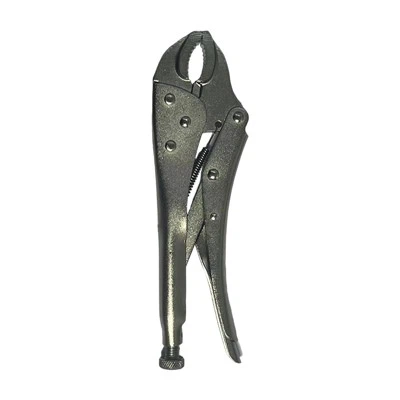
As a prominent supplier of Adjustable Water Pump Pliers, I understand the critical importance of calibration in ensuring the optimal performance of these essential tools. In this blog post, I'll share in - depth knowledge on how to check the calibration of adjustable water pump pliers, highlighting key aspects and practical steps.
Understanding the Significance of Calibration
Calibration is the process of comparing a measuring instrument or tool against a known standard to ensure its accuracy. For adjustable water pump pliers, proper calibration guarantees that the pliers can grip objects with the right amount of force and at the correct distance, which is crucial for various applications, such as plumbing, automotive repairs, and general mechanical tasks. An inaccurately calibrated pair of pliers may lead to slippage, improper gripping, and even damage to the workpiece or the tool itself.
Tools You Need for Calibration Check
Before starting the calibration check, you need to gather the necessary tools. A set of precision calipers is essential for measuring the dimensions of the pliers' jaws with high accuracy. You should also have access to a torque wrench if you want to check the clamping force precisely. Additionally, having a flat and smooth surface for testing the parallelism of the jaw faces is recommended.

Visual Inspection
The first step in checking the calibration of adjustable water pump pliers is a thorough visual inspection. Look closely at the jaws of the pliers. They should be free from any visible signs of damage, such as cracks, chips, or excessive wear. Misaligned jaws can also affect calibration. If the jaws are not parallel when the pliers are fully closed, it indicates a potential calibration issue. A simple check for parallelism can be done by placing the pliers on a flat surface and observing if there is a gap between either end of the jaws and the surface.
Measurement of Jaw Dimensions
Using the precision calipers, measure the width and thickness of the jaws at several points. Start by measuring at the tip of the jaws and then move towards the base. The measurements should be consistent along the length of the jaws. Any significant variation in these dimensions can lead to uneven gripping. For example, if the tip of the jaws is thinner than the base, it may cause the pliers to slip when gripping small objects.
Checking the Adjustment Mechanism
The adjustment mechanism of adjustable water pump pliers is a critical component that affects calibration. Ensure that the adjustment screw or lever moves smoothly without any binding. If there is resistance when adjusting the pliers, it may indicate a problem with the mechanism. This could be due to dirt, debris, or a worn - out part. Clean the adjustment mechanism carefully using an appropriate lubricant and a soft brush.
Testing the Clamping Force
One of the most important aspects of the calibration of adjustable water pump pliers is the clamping force. You can use a torque wrench to measure the force required to open the pliers when they are clamped around an object. First, select an object of a known diameter and place it between the jaws of the pliers. Tighten the pliers to a specific setting. Then, use the torque wrench to apply a force to open the pliers. Compare the measured force with the manufacturer's specifications. If the force is significantly different, the pliers may need to be recalibrated or repaired.
Comparison with a Standard
If possible, compare the adjustable water pump pliers with a known - calibrated pair of pliers. This can give you a quick indication of whether your pliers are calibrated correctly. Place both pairs of pliers on the same object and observe the difference in gripping. If one pair grips the object more securely or evenly than the other, it may suggest a calibration problem with the less - effective pair.
Regular Maintenance for Calibration
To keep the adjustable water pump pliers in proper calibration, regular maintenance is essential. After each use, clean the pliers thoroughly to remove any dirt, grease, or debris. Lubricate the moving parts, such as the adjustment mechanism and the pivot point, to prevent wear and ensure smooth operation. Store the pliers in a dry and clean place to avoid rust and corrosion, which can also affect calibration.
Other Related Pliers in Our Product Range
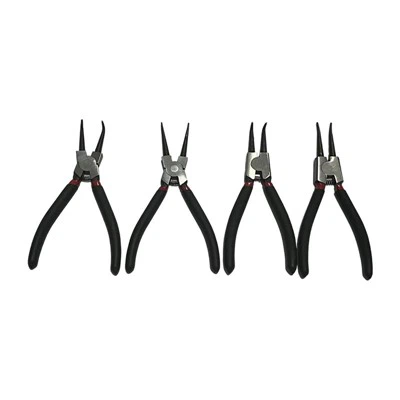
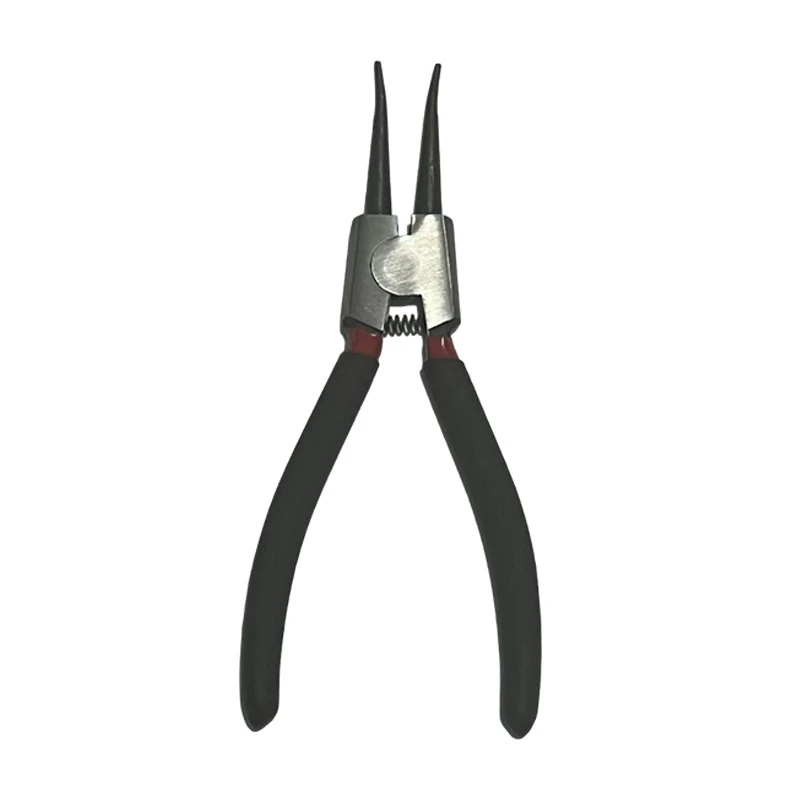
As a supplier, we offer a diverse range of pliers to meet different customer needs. In addition to adjustable water pump pliers, we also have American Type Bent Nose Pliers, Germany Type Diagonal Cutting Pliers, and Circlip Pliers. These pliers also require proper calibration and maintenance to ensure optimal performance.
Conclusion and Call to Action
Checking the calibration of adjustable water pump pliers is a crucial process that ensures the tool's accuracy, reliability, and longevity. By following the steps outlined in this blog post, you can easily perform a calibration check and maintain the quality of your pliers.
We, as a reliable supplier, are committed to providing high - quality adjustable water pump pliers and other hand tools. If you have any questions about our products, calibration, or if you are interested in purchasing our pliers, please feel free to contact us. We look forward to discussing your requirements and providing you with the best solutions for your tool needs.
References
- "Hand Tool Calibration Guide", Industrial Tooling Association
- "Pliers: Design and Function", Journal of Mechanical Tools