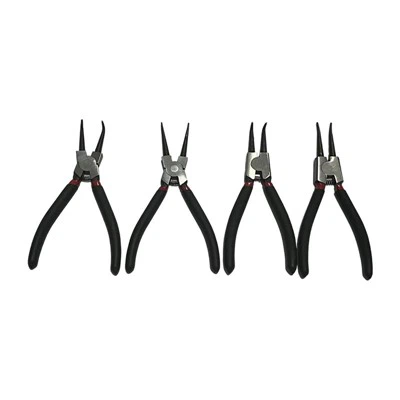
Howdy there! As a supplier of Long Reach Bent Nose Pliers, I've seen firsthand how important it is for these tools to be in proper alignment. Misaligned pliers can lead to all sorts of problems, from inaccurate work to premature wear and tear. So, in this blog post, I'm gonna share with you some tips on how to check the alignment of long reach bent nose pliers.
Why Alignment Matters
Before we dive into the checking process, let's talk a bit about why alignment is such a big deal. When your long reach bent nose pliers are properly aligned, the jaws come together evenly and smoothly. This allows you to grip objects firmly and precisely, whether you're working on delicate electronics or heavy-duty metalwork.
On the other hand, if the pliers are misaligned, the jaws may not close properly. This can result in a weak grip, which makes it difficult to hold onto objects securely. It can also cause the pliers to wear out faster, as the uneven pressure can damage the jaws and other parts of the tool.
Tools You'll Need
To check the alignment of your long reach bent nose pliers, you'll need a few basic tools:
- A flat surface: This could be a workbench, a piece of glass, or any other smooth, flat surface.
- A small piece of paper or thin cardboard: This will help you check for gaps between the jaws.
- A magnifying glass (optional): This can be useful for getting a closer look at the alignment.
Step-by-Step Alignment Check
Now that you have your tools ready, let's get started with the alignment check. Here's a step-by-step guide:
Step 1: Clean the Pliers
Before you start checking the alignment, it's important to make sure the pliers are clean. Use a clean cloth to wipe off any dirt, debris, or oil from the jaws and other parts of the tool. This will ensure that you get an accurate reading.
Step 2: Place the Pliers on a Flat Surface
Lay the pliers flat on the surface, with the jaws open slightly. Make sure the pliers are straight and not tilted to one side.
Step 3: Check for Gaps
Take the small piece of paper or thin cardboard and insert it between the jaws of the pliers, near the tip. Gently close the jaws and see if the paper is held firmly. If the paper slides out easily or if there are gaps between the jaws, it's a sign that the pliers are misaligned.
You can also check for gaps along the length of the jaws by moving the paper back and forth. If you notice any areas where the paper is not held tightly, it means there's a problem with the alignment in that area.
Step 4: Examine the Jaws
Use a magnifying glass (if you have one) to take a closer look at the jaws. Check for any signs of damage, such as chips, cracks, or uneven wear. These can also affect the alignment of the pliers.
If you see any damage, it's best to replace the jaws or the entire pair of pliers. Continuing to use damaged pliers can not only lead to poor performance but also pose a safety risk.
Step 5: Check the Rotation
Open and close the pliers several times to check the rotation of the jaws. The movement should be smooth and free of any jerks or sticking. If you notice any problems with the rotation, it could be due to a misaligned pivot point or a damaged spring.
Step 6: Make Adjustments (if necessary)
If you find that the pliers are misaligned, you may be able to make some adjustments yourself. Most long reach bent nose pliers have an adjustable pivot point that can be tightened or loosened to correct the alignment.
To make the adjustment, use a small screwdriver to loosen the pivot screw slightly. Then, carefully align the jaws by moving them back and forth until they close evenly. Once the alignment is correct, tighten the pivot screw back up.
If you're not comfortable making the adjustments yourself, or if the problem seems too complicated, it's best to take the pliers to a professional tool repair shop.
Regular Maintenance
Checking the alignment of your long reach bent nose pliers is just one part of regular maintenance. To keep your pliers in top condition, you should also:


- Lubricate the Pliers: Apply a small amount of lubricating oil to the pivot point and other moving parts of the pliers every few months. This will help reduce friction and wear.
- Store the Pliers Properly: When you're not using the pliers, store them in a dry, cool place. Avoid leaving them exposed to moisture or extreme temperatures, as this can cause rust and other damage.
- Inspect the Pliers Regularly: Check the pliers for any signs of wear, damage, or misalignment on a regular basis. Catching problems early can help prevent more serious issues down the road.
Related Pliers Products
If you're in the market for other types of pliers, we also offer a wide range of high-quality options, including German Type Flat Nose Pliers, Germany Type Diagonal Cutting Pliers, and Germany Type Combination Pliers. These pliers are designed for a variety of tasks and are built to last.
Contact Us for Purchasing
If you're interested in purchasing our Long Reach Bent Nose Pliers or any of our other products, we'd love to hear from you. We offer competitive prices, fast shipping, and excellent customer service. Simply reach out to us to start the procurement negotiation process, and we'll work with you to find the best solutions for your needs.
References
- "Hand Tool Maintenance Guide." Industry Standard Publications.
- "Pliers: Types and Uses." Professional Tool Association Journal.