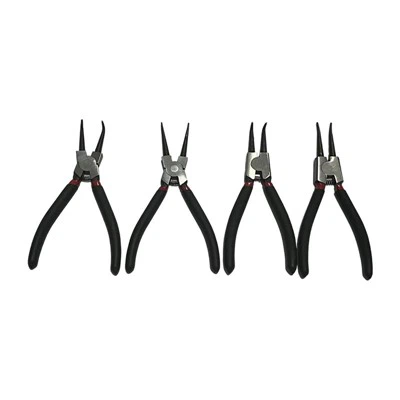
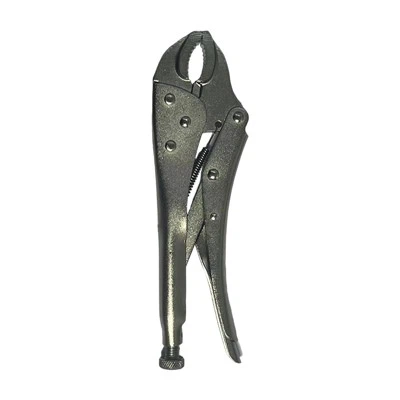
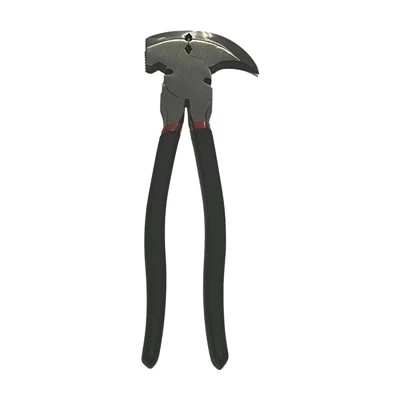
As a supplier of Locking Grip Pliers, I understand the importance of ensuring these tools are in proper working condition. Locking Grip Pliers are versatile tools used in various industries, from automotive repair to general household maintenance. In this blog, I'll share some essential steps on how to check if a locking grip plier is working properly.
1. Visual Inspection
The first step in checking a locking grip plier is a thorough visual inspection. Start by examining the overall appearance of the pliers. Look for any signs of damage, such as cracks, bends, or chips on the jaws, handles, or the locking mechanism.
- Jaws: The jaws are the most critical part of the locking grip plier. Check for any wear or deformation on the gripping surfaces. Worn jaws may not provide a secure grip, which can lead to slippage during use. If the teeth on the jaws are dull or damaged, it's a clear indication that the pliers may not work effectively.
- Handles: Inspect the handles for any signs of wear or damage. The handles should be smooth and free of any sharp edges that could cause injury. Also, check the grip on the handles. A good grip is essential for comfortable and safe use of the pliers.
- Locking Mechanism: Examine the locking mechanism carefully. It should move smoothly without any sticking or binding. Look for any loose parts or missing components. If the locking mechanism is not working correctly, the pliers may not stay locked in place, which can be dangerous.
2. Functionality Test of the Locking Mechanism
The locking mechanism is what sets locking grip pliers apart from other types of pliers. To test its functionality, follow these steps:
- Opening and Closing: Open and close the pliers several times to ensure the locking mechanism engages and disengages smoothly. There should be no excessive force required to operate the mechanism. If you feel any resistance or if the mechanism doesn't lock or unlock properly, there may be an issue.
- Locking Strength: Once the pliers are locked, try to apply some pressure to the handles to see if the lock holds. A properly functioning locking mechanism should keep the pliers securely locked in place, even under moderate pressure. If the lock slips or gives way easily, it needs to be repaired or replaced.
- Adjustability: Most locking grip pliers have an adjustable locking mechanism. Test the adjustability by changing the position of the lock. It should be easy to adjust the locking position to fit different sizes of objects. If the adjustment is difficult or if the lock doesn't stay in the desired position, there may be a problem with the adjustment mechanism.
3. Testing the Gripping Ability
The primary function of locking grip pliers is to provide a strong and secure grip on objects. To test the gripping ability, follow these steps:
- Gripping Different Objects: Try gripping different objects of various shapes and sizes with the pliers. The jaws should be able to conform to the shape of the object and provide a firm grip. If the pliers slip or if the grip is not tight enough, it may be due to worn jaws or a malfunctioning locking mechanism.
- Gripping Force: Apply some pressure to the handles while the pliers are gripping an object. The gripping force should be sufficient to hold the object securely without causing any damage to it. If the gripping force is too weak, the pliers may not be suitable for heavy-duty tasks.
4. Comparing with Other Pliers
If you have access to other types of pliers, such as Slip Joint Pliers or German Type Flat Nose Pliers, you can compare the performance of the locking grip pliers with them.
- Gripping Power: Compare the gripping power of the locking grip pliers with other pliers. Locking grip pliers are designed to provide a stronger and more secure grip than regular pliers. If the locking grip pliers don't perform better in terms of gripping power, there may be an issue with their functionality.
- Locking Feature: The locking feature is what makes locking grip pliers unique. Compare the ease of use and effectiveness of the locking mechanism with other pliers. A good locking grip plier should have a reliable and easy-to-use locking mechanism.
5. Maintenance and Lubrication
Proper maintenance and lubrication are essential for the smooth operation of locking grip pliers. If the pliers are not working properly, it may be due to lack of maintenance.

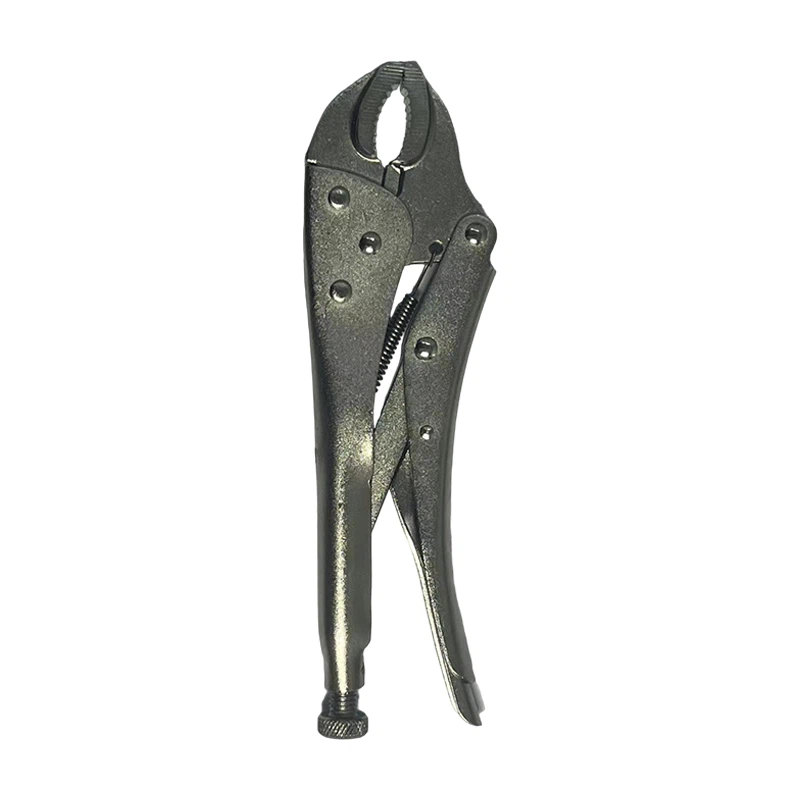
- Cleaning: Regularly clean the pliers to remove any dirt, debris, or rust. Use a clean cloth and a mild cleaning solution to clean the jaws, handles, and the locking mechanism.
- Lubrication: Apply a small amount of lubricant to the moving parts of the locking mechanism. This will help to reduce friction and ensure smooth operation. Be careful not to over-lubricate, as excess lubricant can attract dirt and debris.
6. Seeking Professional Help
If you have followed all the above steps and still find that the locking grip pliers are not working properly, it may be time to seek professional help. A professional tool repair technician can diagnose the problem and provide the necessary repairs.
In conclusion, checking if a locking grip plier is working properly is crucial for its safe and effective use. By following the steps outlined in this blog, you can ensure that your locking grip pliers are in good working condition.
If you are in the market for high-quality Locking Grip Pliers, look no further. We are a leading supplier of locking grip pliers, offering a wide range of products to meet your needs. Whether you are a professional tradesperson or a DIY enthusiast, our locking grip pliers are designed to provide reliable performance. Contact us today to discuss your requirements and start the procurement process.
References
- "Hand Tools: A Comprehensive Guide", published by a leading tool industry publisher.
- Various industry standards and guidelines related to the manufacturing and testing of locking grip pliers.