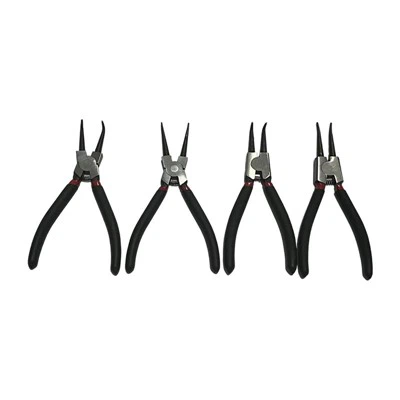
Calibrating wire stripping pliers is a crucial task that ensures accurate and consistent performance when working with wires. As a supplier of Wire Stripping Pliers, I've seen firsthand how proper calibration can make a huge difference in the efficiency and quality of wire - stripping jobs. In this blog, I'll walk you through the steps of calibrating wire stripping pliers, share some tips, and explain why it matters.
Why Calibration is Important
Before we dive into the calibration process, let's talk about why it's so important. When wire stripping pliers are properly calibrated, they can cut through the insulation of wires without damaging the conductors inside. This is super important, especially in electrical work where damaged conductors can lead to short circuits, electrical failures, and even safety hazards.
Accurate calibration also ensures that the pliers can handle different wire gauges correctly. If the pliers aren't calibrated right, they might not be able to strip the insulation from thin wires at all, or they might strip too much from thick wires. Plus, well - calibrated pliers last longer because they're not under unnecessary stress during the stripping process.
Tools You'll Need
Calibrating wire stripping pliers doesn't require a bunch of fancy tools. Here's what you'll need:
- Wire Samples: You'll need a variety of wire gauges to test the calibration of your pliers. Make sure to have both thin and thick wires on hand.
- Magnifying Glass: This will help you to closely examine the stripped wires to check if the insulation has been removed cleanly without damaging the conductors.
- Screwdriver: Some wire stripping pliers have adjustable screws that you'll use to fine - tune the calibration.
Step - by - Step Calibration Process
Step 1: Inspect the Pliers
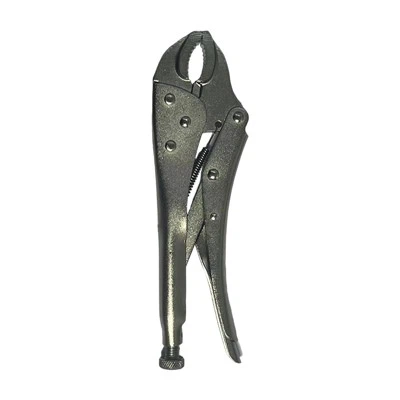
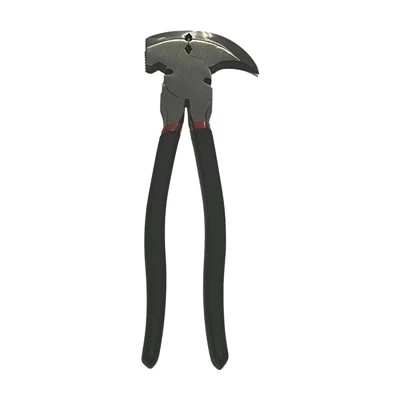
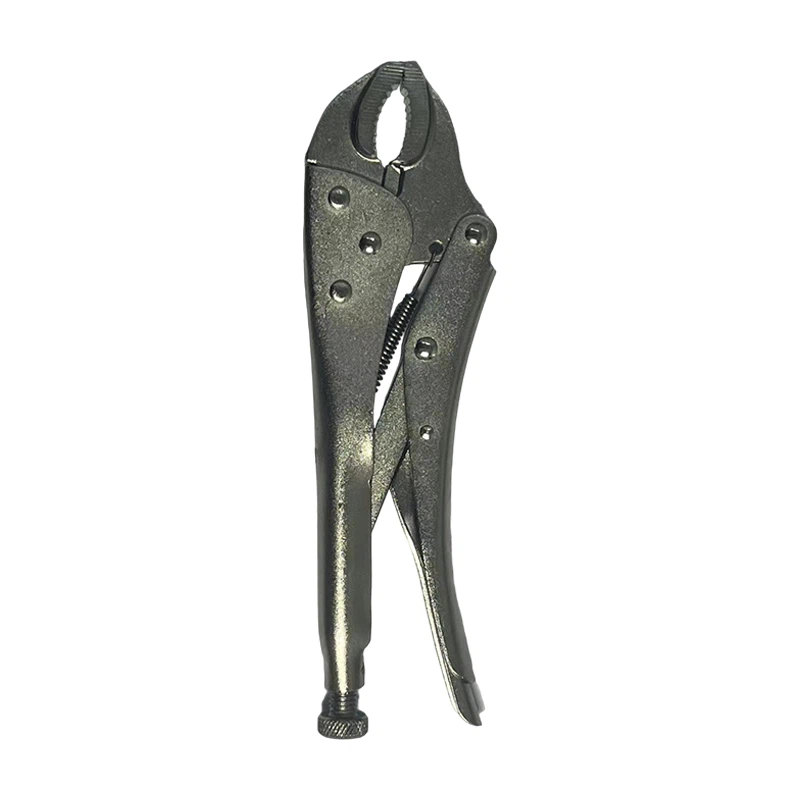
Before you start calibrating, give your wire stripping pliers a good look. Check for any signs of wear and tear, like dull blades or loose parts. If you notice any major issues, it might be time to replace the pliers or get them repaired. You can also take a look at our other pliers like Carpenters End Cutting Pliers or Locking Grip Plier if you're in the market for new ones.
Step 2: Set the Initial Gauge
Most wire stripping pliers have markings on them to indicate different wire gauges. Set the pliers to the gauge of the wire you want to strip. If you're using a wire with a non - standard gauge, you might have to do some trial and error to find the right setting.

Step 3: Test the Stripping
Take a sample wire of the chosen gauge and insert it into the pliers at the appropriate setting. Squeeze the pliers gently but firmly to strip the insulation. After stripping the wire, use the magnifying glass to check the results.
If the insulation isn't completely removed, the cutting blades might be too far apart. On the other hand, if the conductors are damaged, the blades are too close together.
Step 4: Adjust the Blades
If the stripping isn't perfect, it's time to adjust the blades. Locate the adjustment screws on the pliers. Usually, turning the screw clockwise will move the blades closer together, and turning it counter - clockwise will move them farther apart.
Make small adjustments and test the stripping again after each adjustment. Keep doing this until you get a clean, damage - free strip.
Step 5: Repeat for Different Wire Gauges
Don't stop at just one wire gauge. Repeat the calibration process for different wire gauges that you commonly work with. This will ensure that your wire stripping pliers are calibrated accurately for all your needs.
Tips for Calibration
- Be Patient: Calibration is a process that requires patience. Don't rush through the steps, and make small adjustments at a time. This will help you to achieve the most accurate calibration.
- Keep the Pliers Clean: Dirt and debris can affect the performance of your wire stripping pliers. Clean the pliers regularly, especially after calibration.
- Store Properly: When you're not using the pliers, store them in a dry place. This will prevent rust and other damage that can throw off the calibration.
Conclusion
Calibrating wire stripping pliers is an essential skill for anyone who works with wires. By following the steps outlined in this blog, you can ensure that your pliers are working at their best, providing accurate and consistent wire stripping results.
As a supplier of Wire Stripping Pliers, I'm always here to help you with any questions you might have about calibration or the pliers themselves. Whether you're a professional electrician or a DIY enthusiast, having well - calibrated pliers can make your work much easier and safer.
If you're in the market for high - quality wire stripping pliers or have any interest in our other products like Carpenters End Cutting Pliers and Locking Grip Plier, feel free to reach out to us for more information and to start a procurement discussion. We're committed to providing the best tools and support to our customers.
References
- General knowledge of wire stripping pliers and tool calibration.