Slip joint pliers are versatile hand tools that have a variety of applications, and one of the common uses is twisting wires. As a supplier of slip joint pliers, I am well - versed in how these tools can be effectively used for wire - twisting tasks. In this blog, I will walk you through the process of using slip joint pliers to twist wires, highlighting the proper techniques, safety precautions, and the advantages of using high - quality slip joint pliers.
Understanding Slip Joint Pliers
Before we delve into the wire - twisting process, it's essential to understand what slip joint pliers are. Slip joint pliers have an adjustable pivot point, which allows the jaws to open to different widths. This feature makes them suitable for gripping objects of various sizes. The jaws are typically serrated, providing a better grip on the materials.
There are different types of slip joint pliers available in the market. Some have long, narrow jaws for reaching into tight spaces, while others have wider jaws for gripping larger objects. When it comes to twisting wires, the type of slip joint pliers you choose depends on the size and type of wires you are working with.
Preparing for the Task
- Select the Right Pliers
First and foremost, you need to select the appropriate slip joint pliers for the wire - twisting job. If you are working with thin wires, a pair of pliers with smaller jaws may be more suitable. For thicker wires, you will need pliers with wider jaws and more gripping power. As a supplier, I offer a range of slip joint pliers designed to meet different wire - working needs. - Gather the Wires
Collect the wires that you need to twist. Make sure the wires are clean and free from any debris or insulation damage. If the wires have insulation, you may need to strip a small section at the end to expose the conductive metal. - Safety Precautions
Safety should always be a top priority. Wear safety glasses to protect your eyes from any flying debris. If you are working with live electrical wires, make sure to turn off the power supply at the source to avoid the risk of electric shock.
The Wire - Twisting Process
- Position the Wires
Hold the ends of the two wires that you want to twist together. Align them so that they are parallel to each other. You can use your fingers to hold the wires in place initially. - Adjust the Pliers
Open the jaws of the slip joint pliers to a width that is slightly larger than the combined diameter of the wires. You can adjust the pivot point of the pliers to achieve the desired jaw width. Once the pliers are adjusted, place the jaws around the wires near the end that you want to start twisting. - Grip the Wires
Close the jaws of the pliers firmly around the wires. Make sure the serrated jaws have a good grip on the wires to prevent them from slipping. You may need to apply some pressure to ensure a secure hold. - Start Twisting
Once the pliers are firmly gripping the wires, start rotating the pliers in a clockwise direction. Apply a steady and consistent force as you turn the pliers. The rotation of the pliers will cause the wires to twist together. As you twist, you can gradually move the pliers along the length of the wires to continue the twisting process. - Check the Twist
Periodically check the twist of the wires to ensure that it is tight and uniform. If the twist seems loose in some areas, you can go back and re - grip the pliers in that area and continue twisting.
Tips for a Better Twist
- Use the Right Amount of Force
Applying too much force can cause the wires to break, while too little force will result in a loose twist. Find the right balance by starting with a moderate amount of force and adjusting as needed. - Keep the Wires Straight
As you twist the wires, try to keep them as straight as possible. This will result in a neater and more uniform twist. If the wires start to bend or kink, you can use your free hand to straighten them out. - Finish the Twist
Once you have twisted the wires to the desired length, you can finish the twist by tightening the last few turns. Make sure the end of the twist is secure and does not come undone easily.
Advantages of Using Slip Joint Pliers for Wire Twisting
- Versatility
Slip joint pliers can be used for a wide range of wire - twisting tasks, from small electrical wires to larger gauge wires used in construction. Their adjustable jaws make them suitable for different wire sizes. - Grip Strength
The serrated jaws of slip joint pliers provide excellent grip strength, ensuring that the wires do not slip during the twisting process. This results in a more secure and reliable twist. - Cost - Effective
Compared to some specialized wire - twisting tools, slip joint pliers are relatively inexpensive. They are a cost - effective solution for both professional electricians and DIY enthusiasts.
Other Applications of Slip Joint Pliers
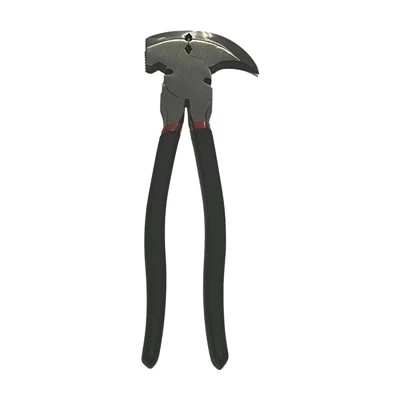
In addition to wire twisting, slip joint pliers have many other applications. They can be used for gripping, bending, and cutting various materials. For example, they are useful for working with Fence Pliers when installing fences, or German Type Flat Nose Pliers for precision work in jewelry making. American Type Round Nose Plier is another type of pliers that can be used in combination with slip joint pliers for different tasks.
Contact for Purchase
If you are in the market for high - quality slip joint pliers or other hand tools, I invite you to contact me for a purchase consultation. I can provide you with detailed product information, pricing, and shipping options. Whether you are a professional tradesperson or a DIY enthusiast, I have the right tools to meet your needs.


References
- "Hand Tools: A Comprehensive Guide", published by a leading tool industry magazine.
- "Safety Standards for Working with Electrical Wires", issued by the National Electrical Safety Council.