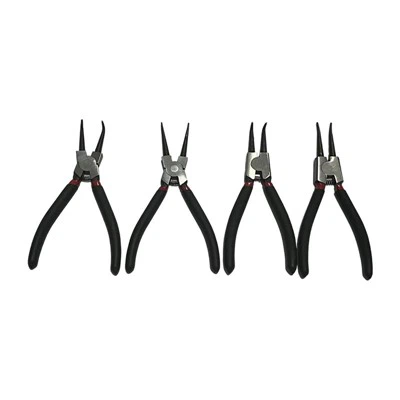
As a supplier of Long Reach Nose Pliers, I understand the significance of proper maintenance to ensure the longevity and optimal performance of these essential tools. Lubrication is a crucial aspect of this maintenance process, and in this blog post, I'll share detailed insights on how to lubricate long reach nose pliers effectively.
Why Lubrication Matters
Long reach nose pliers are used in various industries, from electronics to automotive repair, where precision and reliability are paramount. Over time, the moving parts of these pliers can experience friction, wear, and corrosion, which can compromise their functionality. Lubrication serves several key purposes:
- Reduces Friction: By applying a lubricant, you minimize the friction between the moving parts of the pliers. This not only makes the pliers easier to operate but also reduces the wear and tear on the components, extending their lifespan.
- Prevents Corrosion: Many working environments expose tools to moisture and other corrosive elements. A good lubricant creates a protective barrier that helps prevent rust and corrosion, ensuring the pliers remain in good condition even in harsh conditions.
- Improves Performance: Well-lubricated pliers operate smoothly and precisely, allowing for more accurate gripping and manipulation of small objects. This is especially important in delicate tasks where precision is crucial.
Choosing the Right Lubricant
The first step in lubricating long reach nose pliers is selecting the appropriate lubricant. There are several types of lubricants available, each with its own characteristics and suitability for different applications. Here are some common options:
- Silicone Lubricant: Silicone lubricants are known for their excellent water resistance and low surface tension. They are ideal for use in environments where moisture is a concern, as they form a protective barrier that repels water and prevents corrosion. Silicone lubricants also have a wide temperature range, making them suitable for both high and low-temperature applications.
- Mineral Oil: Mineral oil is a popular choice for lubricating hand tools due to its affordability and availability. It is a lightweight lubricant that provides good lubrication and protection against corrosion. However, mineral oil can attract dust and dirt, so it may require more frequent cleaning and reapplication.
- Synthetic Lubricant: Synthetic lubricants are formulated to provide superior performance and durability compared to traditional lubricants. They offer excellent resistance to high temperatures, oxidation, and wear, making them suitable for heavy-duty applications. Synthetic lubricants also have a longer lifespan and require less frequent reapplication.
When choosing a lubricant, consider the specific requirements of your long reach nose pliers and the working environment in which they will be used. It's also important to follow the manufacturer's recommendations regarding lubricant selection and application.


Lubrication Process
Once you have selected the appropriate lubricant, it's time to start the lubrication process. Here are the steps to follow:
- Clean the Pliers: Before applying lubricant, it's essential to clean the pliers thoroughly to remove any dirt, debris, or old lubricant. Use a clean cloth or brush to wipe down the pliers, paying special attention to the moving parts and the areas where the lubricant will be applied.
- Apply the Lubricant: Depending on the type of lubricant you are using, you can apply it in different ways. For liquid lubricants, such as silicone oil or mineral oil, you can use a dropper or a small brush to apply a small amount of lubricant to the moving parts of the pliers. Be careful not to overapply the lubricant, as this can attract dust and dirt and cause the pliers to become sticky.
- Work the Lubricant In: After applying the lubricant, open and close the pliers several times to work the lubricant into the moving parts. This will ensure that the lubricant is evenly distributed and reaches all the areas that need lubrication.
- Wipe off Excess Lubricant: Once you have worked the lubricant in, use a clean cloth to wipe off any excess lubricant from the pliers. This will prevent the lubricant from dripping or attracting dust and dirt.
Maintenance Tips
In addition to regular lubrication, there are several other maintenance tips that can help keep your long reach nose pliers in good condition:
- Store the Pliers Properly: When not in use, store the pliers in a dry, clean place. Avoid leaving them exposed to moisture or extreme temperatures, as this can cause corrosion and damage to the pliers.
- Inspect the Pliers Regularly: Regularly inspect the pliers for any signs of wear, damage, or corrosion. If you notice any issues, such as loose joints or dull jaws, have the pliers repaired or replaced as soon as possible.
- Use the Pliers Correctly: Make sure you are using the pliers for their intended purpose and following the manufacturer's instructions. Avoid using the pliers to grip objects that are too large or too hard, as this can cause damage to the pliers.
Related Products
At our company, we offer a wide range of high-quality hand tools, including Circlip Pliers, Germany Type Diagonal Cutting Pliers, and Slip Joint Pliers. These tools are designed to meet the needs of professionals and DIY enthusiasts alike, and they are built to last.
Conclusion
Proper lubrication is essential for maintaining the performance and longevity of long reach nose pliers. By following the steps outlined in this blog post and choosing the right lubricant, you can ensure that your pliers operate smoothly and precisely for years to come. If you have any questions or need further assistance with lubricating your long reach nose pliers or any other hand tools, please don't hesitate to contact us. We are always happy to help.
References
- "Hand Tool Maintenance Guide" - Industry Standard Handbook
- Manufacturer's Manuals for Long Reach Nose Pliers