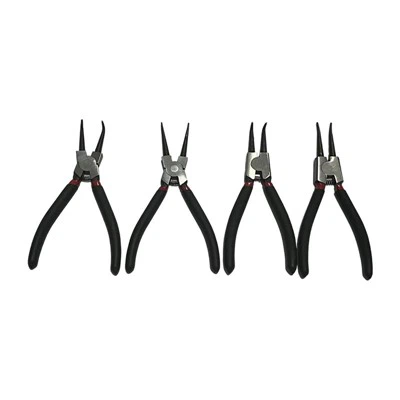
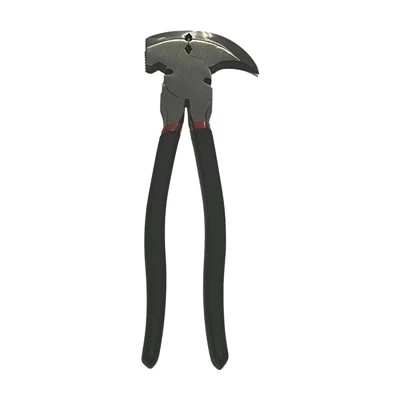
As a seasoned pliers supplier, I've witnessed firsthand the importance of well - maintained tools in various industries. Pliers are one of the most versatile and commonly used hand tools, serving a wide range of applications from simple household repairs to complex industrial operations. However, like all tools, pliers have a finite lifespan, and it's crucial to know when they are worn out. In this blog, I'll share some key indicators to help you determine if your pliers are no longer fit for use.
Visual Inspection
The first step in assessing the condition of your pliers is a thorough visual inspection. Start by examining the jaws of the pliers. Over time, the jaws can become worn, chipped, or misaligned. For instance, if you notice that the edges of the jaws are rounded or have lost their sharpness, it's a clear sign of wear. This can significantly affect the pliers' ability to grip objects securely. A worn - out jaw may slip when you're trying to hold a small or delicate item, leading to potential accidents or damaged workpieces.
Another aspect to look for is cracks or breaks in the pliers' body. Cracks can weaken the structural integrity of the tool, making it more likely to fail during use. Even a small crack can propagate over time, especially if the pliers are subjected to heavy loads or repeated stress. Inspect the handles as well. If the grips are worn, torn, or have become slippery, it can make the pliers uncomfortable and unsafe to use. You might find that you have to apply more force to hold the pliers properly, which can lead to hand fatigue and reduced control.
Functional Testing
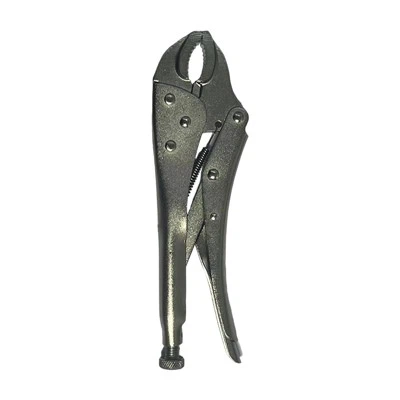
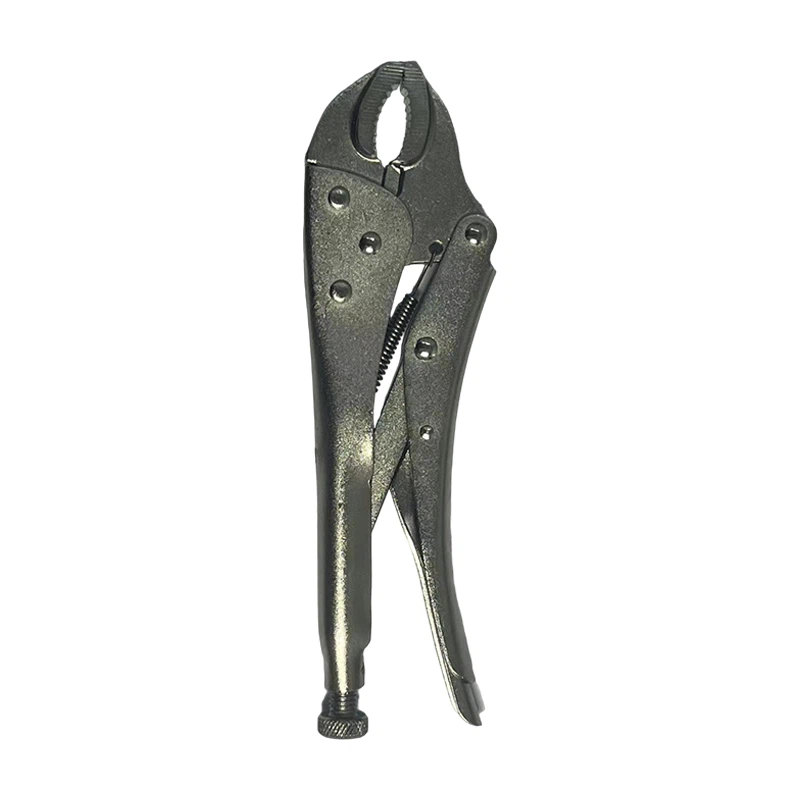
Visual inspection is a good starting point, but functional testing is equally important. To test the gripping ability of your pliers, try gripping a variety of objects of different shapes and sizes. If the pliers struggle to hold the objects firmly or if the grip feels loose, it could be a sign of wear. For example, if you're using Locking Grip Plier and it doesn't lock securely or slips when you're applying pressure, it's time to consider replacing them.
When it comes to cutting pliers, such as American Type Heavy Duty Diagonal Cutting Pliers, test their cutting performance. Try cutting through a piece of wire or cable of an appropriate gauge. If the pliers require excessive force to cut through the material or if they leave a jagged or uneven cut, it indicates that the cutting edges are dull or damaged. Dull cutting edges not only make the job more difficult but can also increase the risk of injury, as you may need to use more force than usual, which can cause the pliers to slip.
Comparison with New Pliers
If possible, compare your used pliers with a new pair of the same type. This can give you a clear idea of how much wear and tear your pliers have undergone. Notice the differences in the gripping force, cutting performance, and overall feel of the tools. A new pair of pliers will typically have a crisp, clean action, while worn - out pliers may feel sluggish or imprecise.
For example, German Type Flat Nose Pliers are known for their precision and smooth operation. When comparing a used pair with a new one, you may notice that the new pliers close more evenly and have a tighter grip. The used pliers might have a slight gap between the jaws when closed, which can affect their ability to perform delicate tasks accurately.
Frequency of Use and Application
The frequency of use and the type of applications your pliers are subjected to also play a significant role in determining their lifespan. Pliers that are used frequently in heavy - duty applications, such as industrial manufacturing or automotive repair, will naturally wear out faster than those used occasionally for light household tasks.
If you're using your pliers in harsh environments, such as those with high temperatures, corrosive chemicals, or abrasive materials, they will also experience more rapid wear. For example, pliers used in a metalworking shop may be exposed to metal shavings and sparks, which can damage the jaws and the handles. In such cases, it's important to inspect your pliers more regularly and replace them as soon as signs of wear become apparent.
Maintenance and Care
Proper maintenance and care can extend the lifespan of your pliers, but even well - maintained tools will eventually wear out. Regularly clean your pliers to remove dirt, debris, and rust. Lubricate the moving parts, such as the pivot point, to ensure smooth operation. If you notice any signs of rust or corrosion, treat it immediately to prevent further damage.
However, if your pliers have been neglected and have not received proper maintenance, they are more likely to show signs of wear earlier. For example, a pair of pliers that has been left exposed to moisture for an extended period may develop rust on the jaws, which can cause them to become dull and ineffective.
Impact on Productivity and Safety
Using worn - out pliers can have a significant impact on your productivity and safety. Worn pliers require more time and effort to complete tasks, as they may not perform as efficiently as new ones. This can lead to delays in your work and increased frustration.
From a safety perspective, worn - out pliers pose a greater risk of injury. As mentioned earlier, loose grips, dull cutting edges, and weakened structures can all contribute to accidents. For example, a pair of pliers with a cracked handle could break during use, causing you to lose control and potentially injure yourself.
When to Replace Your Pliers
In general, if you notice any of the following signs, it's time to replace your pliers:
- Severe wear or damage to the jaws: This includes chipping, rounding, or misalignment that affects the gripping or cutting performance.
- Cracks or breaks in the body or handles: These weaken the tool and pose a safety risk.
- Dull cutting edges: If the pliers can no longer cut through materials cleanly and easily.
- Loose or ineffective locking mechanisms: For locking - type pliers.
- Excessive wear on the grips: Making the pliers uncomfortable and unsafe to hold.
Conclusion
As a pliers supplier, I understand the importance of having reliable tools. Knowing when your pliers are worn out is essential for maintaining productivity, ensuring safety, and achieving high - quality work. By regularly inspecting and testing your pliers, you can identify signs of wear early and take appropriate action.
If you're in the market for new pliers or have any questions about the best type of pliers for your specific needs, I encourage you to reach out for a procurement discussion. We have a wide range of high - quality pliers, including Locking Grip Plier, German Type Flat Nose Pliers, and American Type Heavy Duty Diagonal Cutting Pliers, to meet your requirements.

References
- "Hand Tools: Selection, Use, and Maintenance" by Industrial Press Inc.
- "The Complete Guide to Hand Tools" by Black & Decker