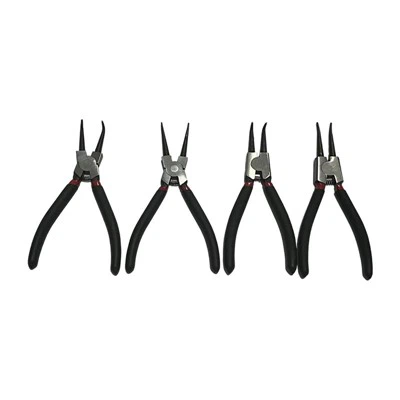
As a supplier of circlip pliers, I understand the importance of these tools in various industries. Circlip pliers are essential for installing and removing circlips, which are used in a wide range of applications, from automotive engines to electronic devices. However, like any tool, circlip pliers can wear out over time, and it's crucial to know when it's time to replace them. In this blog post, I'll share some key indicators that your circlip pliers may be worn out and need to be replaced.
1. Difficulty in Opening and Closing
One of the first signs that your circlip pliers may be worn out is difficulty in opening and closing them. When new, circlip pliers should open and close smoothly with minimal effort. If you find that you have to apply excessive force to open or close the pliers, it could be a sign of wear and tear. This can be caused by several factors, such as dirt and debris buildup in the pivot point, worn-out springs, or damaged jaws.
Dirt and debris can accumulate in the pivot point of the pliers over time, causing friction and making it difficult to operate the tool. To fix this issue, you can try cleaning the pivot point with a soft brush and some lubricant. However, if the problem persists, it may be a sign of more significant damage.
Worn-out springs can also cause difficulty in opening and closing the pliers. The springs are responsible for providing the necessary tension to keep the jaws closed when not in use and to allow them to open when pressure is applied. If the springs are weak or damaged, they may not be able to provide enough tension, making it difficult to operate the pliers. In this case, you may need to replace the springs.
Damaged jaws can also make it difficult to open and close the pliers. If the jaws are bent, cracked, or worn down, they may not be able to grip the circlip properly, causing the pliers to slip or not work at all. In this case, you will need to replace the jaws or the entire pair of pliers.
2. Poor Grip on Circlips
Another sign that your circlip pliers may be worn out is a poor grip on circlips. When the jaws of the pliers are in good condition, they should be able to grip the circlip firmly and securely, allowing you to install or remove it without any problems. If you find that the pliers are slipping or not gripping the circlip properly, it could be a sign of wear and tear.
Worn-out jaws can cause a poor grip on circlips. Over time, the jaws may become dull or worn down, reducing their ability to grip the circlip. In this case, you may need to sharpen the jaws or replace them.
Damaged or misaligned jaws can also cause a poor grip on circlips. If the jaws are bent or not aligned correctly, they may not be able to grip the circlip evenly, causing it to slip or not work at all. In this case, you will need to replace the jaws or the entire pair of pliers.
3. Excessive Play in the Pivot Point
Excessive play in the pivot point is another sign that your circlip pliers may be worn out. The pivot point is the part of the pliers where the two handles meet and rotate. When the pivot point is in good condition, there should be minimal play or movement between the two handles. If you find that there is excessive play or movement in the pivot point, it could be a sign of wear and tear.

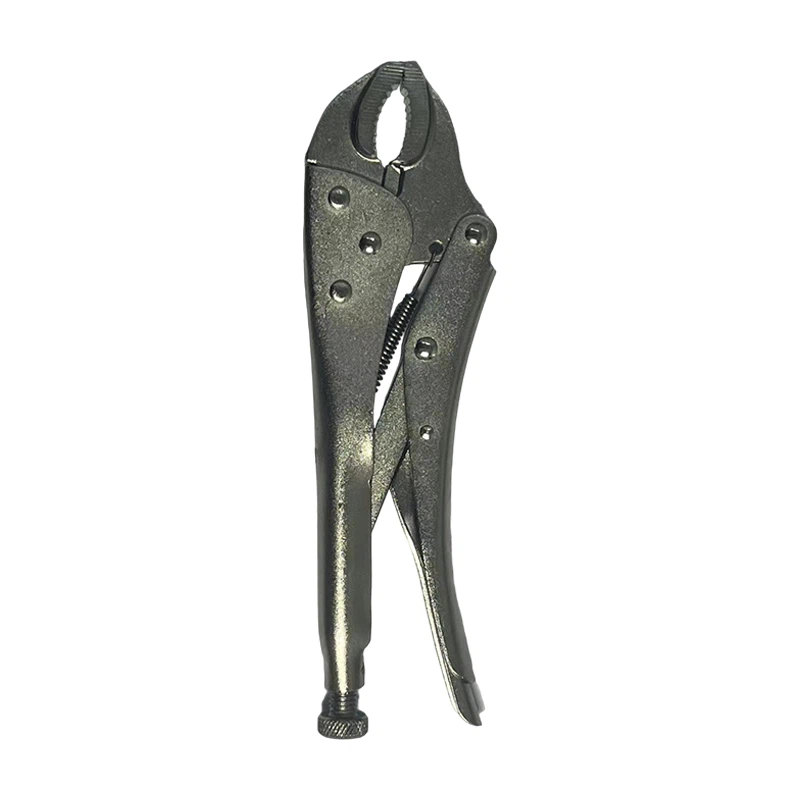
Worn-out pivot pins or bushings can cause excessive play in the pivot point. Over time, the pivot pins or bushings may become worn down or damaged, causing the two handles to move more freely than they should. In this case, you may need to replace the pivot pins or bushings.
Loose or damaged screws can also cause excessive play in the pivot point. If the screws that hold the pivot point together are loose or damaged, they may not be able to keep the two handles in place, causing them to move more freely than they should. In this case, you will need to tighten or replace the screws.
4. Visible Signs of Wear and Tear
Visible signs of wear and tear are another obvious indicator that your circlip pliers may be worn out. Look for signs such as scratches, dents, cracks, or rust on the handles, jaws, or pivot point. These signs can indicate that the pliers have been used extensively and may no longer be in good condition.
Scratches and dents on the handles or jaws can be caused by normal use or by dropping the pliers. While these signs may not necessarily affect the performance of the pliers, they can be a sign that the pliers have been used extensively and may be more prone to damage in the future.
Cracks in the handles or jaws can be a serious problem. Cracks can weaken the pliers and make them more likely to break or fail during use. If you notice any cracks in your circlip pliers, you should stop using them immediately and replace them.
Rust on the pliers can also be a sign of wear and tear. Rust can cause the pliers to become corroded and may affect their performance. If you notice any rust on your circlip pliers, you can try cleaning it off with a rust remover and some lubricant. However, if the rust is severe, you may need to replace the pliers.
5. Unusual Noises
Unusual noises when using the circlip pliers can also be a sign of wear and tear. If you hear any grinding, clicking, or rattling noises when opening or closing the pliers, it could be a sign of a problem.
Grinding noises can be caused by dirt and debris buildup in the pivot point or by worn-out parts. Clicking noises can be caused by loose or damaged parts, such as the pivot pins or bushings. Rattling noises can be caused by loose screws or other components.
If you hear any unusual noises when using your circlip pliers, you should stop using them immediately and inspect them for damage. If you are unable to identify the source of the noise or fix the problem, you should contact a professional or replace the pliers.
Conclusion
In conclusion, knowing when your circlip pliers are worn out is essential for maintaining the efficiency and safety of your work. By paying attention to the signs of wear and tear, such as difficulty in opening and closing, poor grip on circlips, excessive play in the pivot point, visible signs of wear and tear, and unusual noises, you can determine when it's time to replace your circlip pliers.
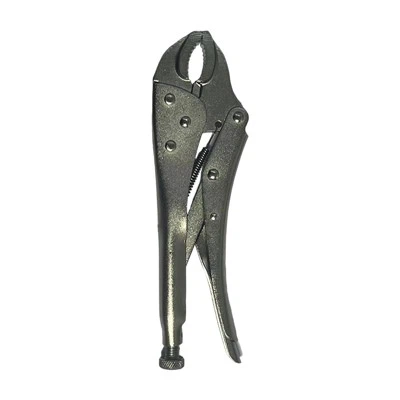
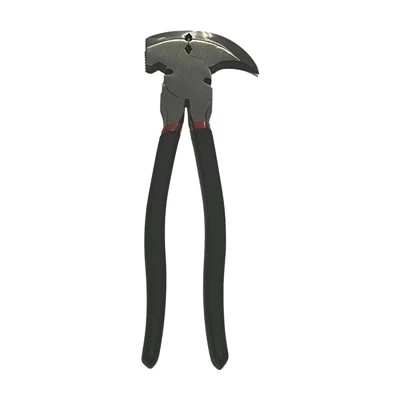
As a supplier of circlip pliers, we offer a wide range of high-quality tools to meet your needs. Our Locking Grip Plier, Fence Pliers, and Germany Type Long Nose Pliers are all made from durable materials and are designed to provide reliable performance.
If you are in the market for new circlip pliers or have any questions about our products, please feel free to contact us. We would be happy to help you find the right tools for your needs and to assist you with any purchasing decisions.
References
- "Hand Tools: Pliers and Wrenches." Machinery's Handbook, 31st Edition, Industrial Press Inc., 2016.
- "Circlip Pliers: A Guide to Selection and Use." Fastener + Fixing Magazine, November 2018.