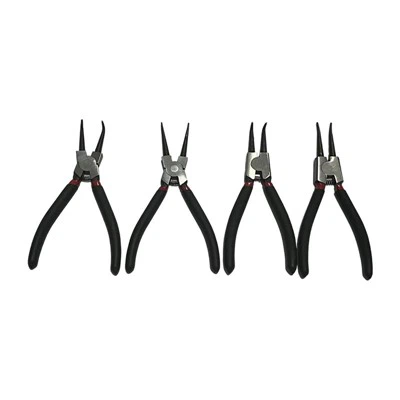
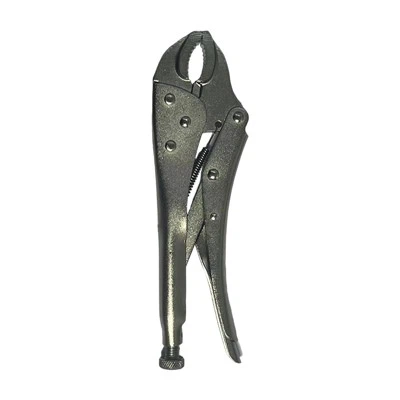
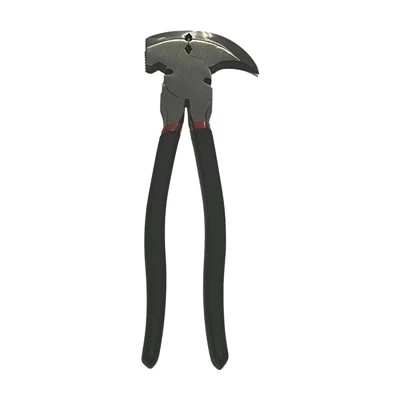
Cold weather presents a unique set of challenges for various tools, and Germany Type Long Nose Pliers are no exception. As a supplier of these high - quality pliers, I've witnessed firsthand how these tools perform in frigid conditions. In this blog, I'll delve into the intricacies of how Germany Type Long Nose Pliers hold up in cold weather, from their material properties to practical usage scenarios.
Material Resistance in Cold Temperatures
Germany Type Long Nose Pliers are typically crafted from high - carbon steel or alloy steel. These materials are chosen for their excellent strength and durability under normal conditions, but how do they fare when the mercury drops?
High - carbon steel is known for its high hardness, which allows the pliers to grip and cut effectively. In cold weather, the hardness of high - carbon steel can be an advantage. It retains its shape better than softer metals, ensuring that the jaws of the pliers maintain a firm grip on objects. However, high - carbon steel also becomes more brittle in cold temperatures. This brittleness means that if the pliers are subjected to sudden impacts or excessive force, there is a higher risk of the jaws chipping or cracking.
Alloy steel, on the other hand, is a more versatile option. It combines the strength of high - carbon steel with the added benefit of better toughness. Alloying elements such as chromium, nickel, and molybdenum improve the steel's resistance to cold - induced brittleness. As a result, Germany Type Long Nose Pliers made from alloy steel are less likely to suffer damage in cold weather compared to those made from pure high - carbon steel.
Impact on Grip and Handling
The cold can have a significant impact on the user's ability to grip and handle Germany Type Long Nose Pliers. When it's cold, our hands tend to become less flexible, and the blood circulation slows down. This can make it difficult to apply the necessary force to operate the pliers effectively.
To mitigate this issue, some Germany Type Long Nose Pliers are designed with ergonomic handles. These handles are often made from materials that provide a good grip even in cold and wet conditions. For example, rubberized or textured handles can help the user maintain a firm hold on the pliers, reducing the risk of slippage.
In addition, the design of the pliers' joints can also affect handling in cold weather. If the joints are not well - lubricated, they may become stiff in the cold, making it harder to open and close the pliers smoothly. Regular maintenance, such as applying a suitable lubricant, can help keep the joints in good working condition even in cold temperatures.
Performance in Different Cold - Weather Applications
Let's take a look at how Germany Type Long Nose Pliers perform in some common cold - weather applications.


Electrical Work
In electrical work, Germany Type Long Nose Pliers are often used to bend and twist wires. In cold weather, the wires themselves become stiffer, which requires more force to manipulate. The high - quality jaws of Germany Type Long Nose Pliers can provide a strong grip on the wires, but the user may need to be more cautious due to the increased risk of the pliers' jaws cracking if too much force is applied.
Automotive Repair
Automotive repair in cold weather can be a challenging task. Germany Type Long Nose Pliers are useful for reaching into tight spaces and gripping small parts. However, the cold can cause the metal parts in the vehicle to contract, making them more difficult to remove or install. The pliers' ability to maintain a firm grip is crucial in these situations. At the same time, the user needs to be aware of the potential for the pliers to become brittle and take extra care when applying force.
Plumbing
In plumbing work, Germany Type Long Nose Pliers can be used to hold and turn small nuts and bolts. Cold weather can cause pipes and fittings to become more brittle, and the pliers need to be used with precision to avoid damaging the components. The pliers' long nose design allows for better access to hard - to - reach areas, but the cold - induced brittleness of the pliers themselves needs to be considered.
Comparison with Other Types of Pliers in Cold Weather
It's interesting to compare the performance of Germany Type Long Nose Pliers with other types of pliers in cold weather.
Slip Joint Pliers are known for their adjustable jaws, which can be useful in a variety of applications. However, in cold weather, the adjustment mechanism may become stiff, making it difficult to change the jaw size. Germany Type Long Nose Pliers, with their fixed - jaw design, are generally less affected by this issue.
Long Handled O - shaped Pliers are designed for specific tasks such as gripping and pulling objects in tight spaces. While they may have a similar long - reach advantage as Germany Type Long Nose Pliers, their O - shaped jaws may not provide the same level of precision gripping in cold weather, especially when dealing with small or delicate objects.
German Type End Cutting Pliers are mainly used for cutting wires and small metal components. In cold weather, the cutting edges of these pliers may be more prone to chipping due to the increased brittleness of the steel. Germany Type Long Nose Pliers, with their more rounded jaws, are less likely to experience this type of damage when used for gripping rather than cutting.
Tips for Using Germany Type Long Nose Pliers in Cold Weather
To ensure the best performance of Germany Type Long Nose Pliers in cold weather, here are some useful tips:
- Pre - warm the pliers: If possible, bring the pliers indoors for a short period before use to warm them up slightly. This can reduce the risk of brittleness and make the joints more flexible.
- Use proper force: Avoid applying excessive force suddenly. Instead, apply force gradually to minimize the risk of damage to the pliers.
- Keep the pliers dry: Moisture can exacerbate the effects of cold on the pliers. Make sure to dry the pliers thoroughly after use to prevent rust and corrosion.
- Regular maintenance: Lubricate the joints of the pliers regularly to keep them functioning smoothly. Check for any signs of wear or damage and replace the pliers if necessary.
Conclusion
Germany Type Long Nose Pliers are reliable tools, but cold weather does present some challenges. By understanding the impact of cold on the pliers' materials, grip, and performance, users can take appropriate measures to ensure their safe and effective use. Whether you're an electrician, an automotive mechanic, or a plumber, choosing the right type of pliers and following the tips mentioned above can help you get the job done even in the coldest conditions.
If you're interested in purchasing high - quality Germany Type Long Nose Pliers or have any questions about their performance in cold weather, feel free to contact us for a detailed discussion and procurement negotiation.
References
- ASM Handbook Committee. (2008). ASM Handbook Volume 1: Properties and Selection: Irons, Steels, and High - Performance Alloys. ASM International.
- Tool Design and Engineering Journal. (2015). Impact of Environmental Conditions on Hand Tool Performance.