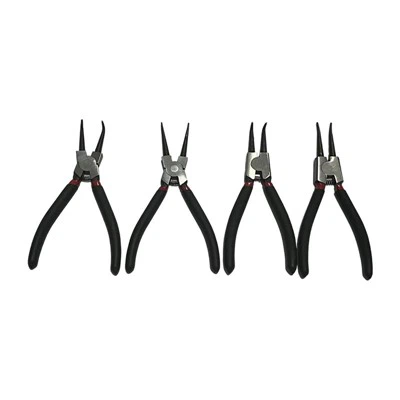
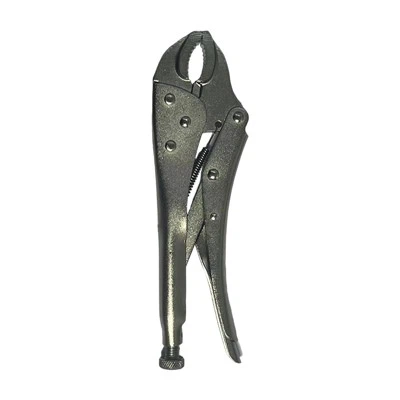
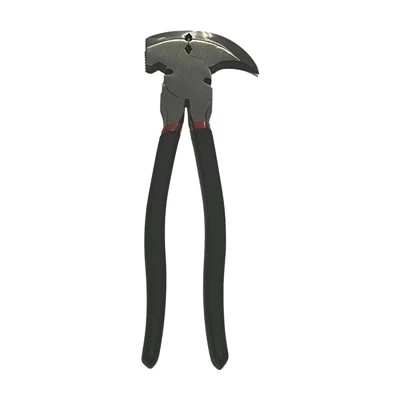
Carpenters end cutting pliers, a staple tool in many toolkits, are designed to cut various materials, including soft metals. As a supplier of these essential tools, I've had the opportunity to witness firsthand their performance in real - world applications. In this blog, we'll explore how carpenters end cutting pliers perform when cutting soft metals.
Understanding Soft Metals
Before delving into the performance of carpenters end cutting pliers, it's crucial to understand what soft metals are. Soft metals typically have a low hardness and are malleable, which means they can be easily deformed without breaking. Common examples of soft metals include aluminum, copper, lead, and tin. These metals are widely used in various industries, such as electrical, plumbing, and jewelry making.
Design Features of Carpenters End Cutting Pliers
Carpenters end cutting pliers are engineered with specific features to ensure efficient cutting. The jaws of these pliers are designed to provide a clean and precise cut. The cutting edges are usually made of high - quality steel, which is hardened to resist wear and maintain sharpness over time. The handles are ergonomically designed to provide a comfortable grip, reducing hand fatigue during extended use.
Performance in Cutting Soft Metals
Clean Cuts
One of the key performance indicators of carpenters end cutting pliers is the ability to make clean cuts on soft metals. When cutting aluminum, for instance, the sharp cutting edges of the pliers can easily penetrate the metal without causing excessive burring or deformation. This is crucial, especially in applications where the cut end needs to be smooth for further processing, such as in electrical wiring or plumbing installations.
The design of the jaws also plays a role in achieving clean cuts. The parallel alignment of the cutting edges ensures that the force is evenly distributed across the metal, resulting in a straight and precise cut. This is particularly important when working with thin - gauge soft metals, where uneven cutting forces can cause the metal to tear or fold.
Ease of Cutting
Soft metals are relatively easy to cut compared to harder materials. Carpenters end cutting pliers take advantage of this by requiring less force to achieve a cutting action. The leverage provided by the pliers' design allows the user to exert sufficient force to cut through the metal with minimal effort. This is beneficial, especially when working on large - scale projects that involve cutting a significant amount of soft metal.
For example, when cutting copper wires, the user can quickly and effortlessly trim the wires to the desired length using carpenters end cutting pliers. The ease of cutting also reduces the risk of repetitive strain injuries, as the user doesn't have to apply excessive force over an extended period.
Durability
Another important aspect of performance is the durability of the pliers when cutting soft metals. Soft metals can sometimes leave residues on the cutting edges, which could potentially cause corrosion or dulling if not properly maintained. However, high - quality carpenters end cutting pliers are designed to resist such issues.
The hardened steel used in the cutting edges is corrosion - resistant, ensuring that the pliers can maintain their cutting performance even after repeated use. Additionally, the joints of the pliers are typically well - lubricated and reinforced to prevent loosening or wear. This durability ensures that the pliers have a long service life, making them a cost - effective investment for both professionals and DIY enthusiasts.


Factors Affecting Performance
While carpenters end cutting pliers generally perform well when cutting soft metals, several factors can affect their performance.
Metal Thickness
The thickness of the soft metal being cut is a significant factor. Thicker metals require more force to cut through, and if the pliers are not designed to handle the specific thickness, it may result in an incomplete or rough cut. For example, attempting to cut a thick copper rod with a pair of pliers designed for thin wires may cause the pliers' cutting edges to bend or damage.
Quality of the Pliers
The quality of the carpenters end cutting pliers also plays a crucial role. Cheaper pliers may be made of lower - grade materials, which can result in dull cutting edges, loose joints, or handles that break easily. On the other hand, high - quality pliers, such as the ones Carpenters End Cutting Pliers we supply, are manufactured to strict standards, ensuring optimal performance and durability.
Maintenance
Proper maintenance is essential for maintaining the performance of carpenters end cutting pliers. After each use, the pliers should be cleaned to remove any metal residues. Lubricating the joints regularly can prevent rust and ensure smooth operation. Neglecting maintenance can lead to a decrease in cutting performance and a shorter lifespan for the pliers.
Comparing with Other Pliers
In the world of hand tools, there are various types of pliers available for cutting soft metals. For instance, American Type Flat Nose Pliers are commonly used for bending and shaping soft metals in addition to cutting. They have flat jaws that can provide a good grip on the metal, but they may not be as efficient as carpenters end cutting pliers when it comes to making clean cuts at the end of the metal.
American Type Heavy Duty Diagonal Cutting Pliers are designed for cutting thicker materials, including some soft metals. However, their diagonal cutting action may not be as suitable for making precise end cuts as carpenters end cutting pliers. The end - cutting design of carpenters end cutting pliers allows for more accurate and controlled cuts, especially in applications where the cut end needs to be flush or square.
Conclusion
Carpenters end cutting pliers are a versatile and effective tool for cutting soft metals. Their design allows for clean and precise cuts, ease of use, and durability. However, factors such as metal thickness, pliers quality, and maintenance can affect their performance. When comparing with other types of pliers, carpenters end cutting pliers stand out for their ability to make accurate end cuts on soft metals.
If you're in the market for high - quality carpenters end cutting pliers or other hand tools, we're here to help. Our products are designed to meet the highest standards of performance and durability. Whether you're a professional tradesperson or a DIY enthusiast, we have the right tools for your needs. Contact us for more information on our product range and to initiate a procurement discussion.
References
- Black, J. T., & Kohser, R. A. (2007). DeGarmo's Materials and Processes in Manufacturing. Wiley.
- Shackelford, J. F. (2016). Introduction to Materials Science for Engineers. Pearson.