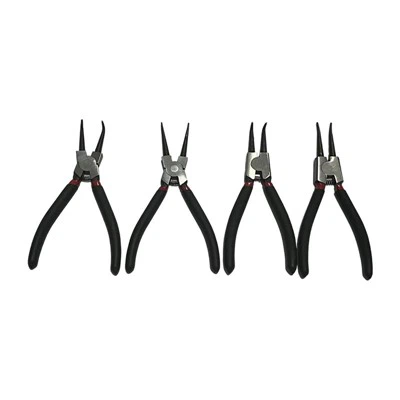
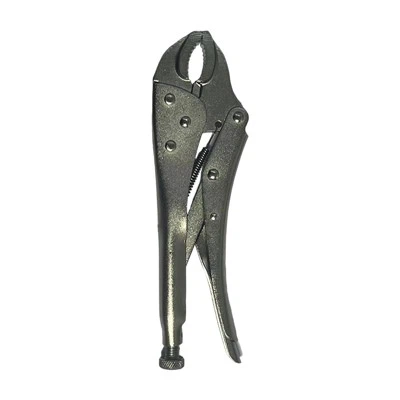
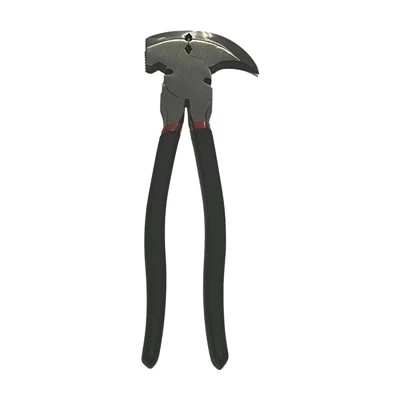
Do wire stripping pliers have a good grip on wires? That's a question I get asked a lot as a supplier of wire stripping pliers. And it's a valid one, because having a good grip on wires is crucial for any wire stripping task. In this blog post, I'm going to dive into this topic and share my insights on whether wire stripping pliers really have a good grip on wires.
First off, let's talk about what makes a good grip in wire stripping pliers. A good grip means that the pliers can hold the wire firmly without slipping. This is important because if the pliers slip, it can lead to uneven stripping, damaged wires, or even injuries. There are a few factors that contribute to a good grip, including the design of the jaws, the material they're made of, and the way the pliers are used.
The design of the jaws is a key factor in determining the grip of wire stripping pliers. Most wire stripping pliers have serrated jaws. The serrations are like tiny teeth that dig into the wire, providing extra friction and preventing the wire from slipping. The pattern and depth of the serrations can vary from one pair of pliers to another. Some pliers have fine serrations that work well for small, delicate wires, while others have coarser serrations for larger, tougher wires.
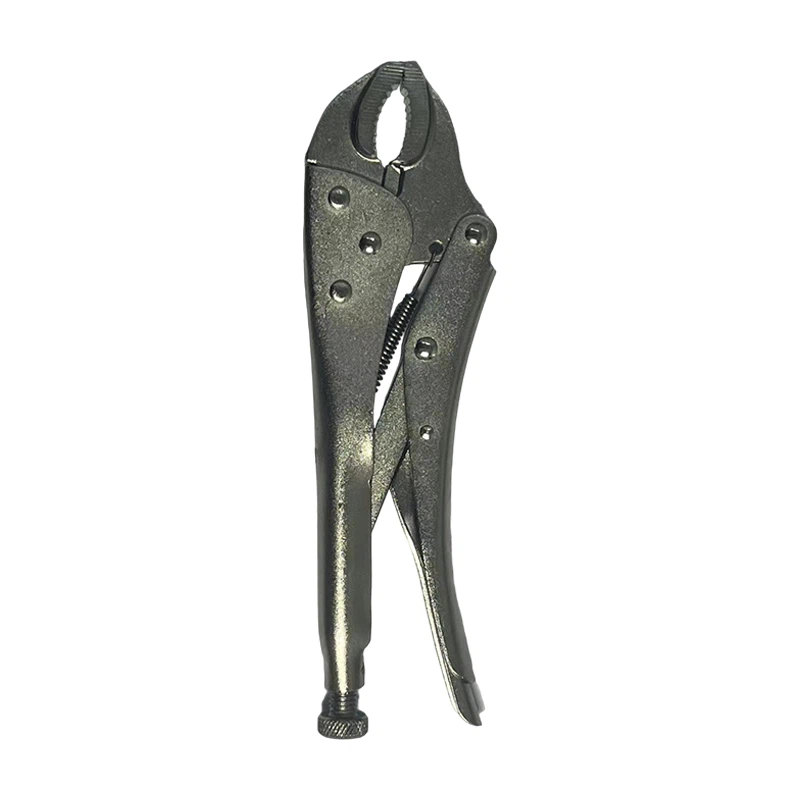
For example, our Locking Grip Plier has a unique jaw design with precisely engineered serrations. These serrations are carefully spaced and shaped to provide maximum grip on a wide range of wire sizes. Whether you're working with thin copper wires in electronics or thicker aluminum wires in electrical installations, the locking grip feature ensures that the pliers stay firmly attached to the wire throughout the stripping process.
The material of the jaws also plays a big role in the grip. High - quality wire stripping pliers usually have jaws made of hardened steel. Hardened steel is strong and durable, and it can maintain its shape and sharpness over time. This means that the serrations on the jaws won't wear down easily, and the pliers will continue to provide a good grip even after repeated use.
Another factor to consider is how the pliers are used. Applying the right amount of pressure is essential. If you don't apply enough pressure, the pliers won't grip the wire properly, and it will slip. On the other hand, if you apply too much pressure, you might damage the wire or even the pliers themselves. It takes a bit of practice to find the right balance.
In addition to the basic design and material, some wire stripping pliers come with additional features that enhance the grip. For instance, some pliers have ergonomic handles that allow for a better grip on the pliers themselves. When you can hold the pliers comfortably and securely, it's easier to apply the right amount of pressure to the wire.

Let's compare wire stripping pliers with other types of pliers. Take the Carpenters End Cutting Pliers for example. These pliers are mainly designed for cutting, and while they can hold a wire to some extent, their grip is not optimized for wire stripping. Their jaws are shaped more for cutting through materials like nails and wires at an angle, rather than holding a wire firmly for stripping.
Similarly, the Long Reach Flat Nose Plier is great for tasks that require reaching into tight spaces and bending wires. But when it comes to wire stripping, its flat - nose design doesn't provide the same level of grip as wire stripping pliers. The flat surface doesn't have the serrations needed to hold the wire securely, and it's more likely to slip during the stripping process.
In real - world applications, a good grip on wires is non - negotiable. In the electrical industry, for example, electricians need to strip wires accurately and efficiently. If the wire stripping pliers don't have a good grip, it can slow down the job and increase the risk of mistakes. In the electronics industry, where wires are often very thin and delicate, a good grip is even more important. One slip can damage a tiny wire and ruin an entire circuit board.
We've done a lot of testing on our wire stripping pliers to ensure they have a good grip. We've tested them on different types of wires, including copper, aluminum, and even coated wires. The results have been very positive. Our pliers have consistently shown the ability to grip wires firmly, whether they're small gauge wires used in electronics or large gauge wires used in power distribution.
So, do wire stripping pliers have a good grip on wires? In most cases, yes. When they're well - designed, made of high - quality materials, and used correctly, wire stripping pliers can provide an excellent grip. However, it's important to choose the right pair of pliers for the job. Consider the size and type of wires you'll be working with, and look for pliers with jaws that are designed to handle those specific wires.
If you're in the market for wire stripping pliers or any other hand tools, we'd love to have a chat with you. Whether you're a professional electrician, an electronics hobbyist, or a contractor, we have the right tools for your needs. We can help you find the perfect pair of wire stripping pliers that will give you a great grip on wires every time. Contact us to start a conversation about your tool requirements and let's work together to get the job done right.
References
General knowledge of hand tool design and functionality from years of experience in the hand tool industry.