Do American Type Flat Nose Pliers have a locking mechanism?

As a supplier of American Type Flat Nose Pliers, I often encounter questions from customers regarding the features and functionality of these tools. One of the most common inquiries is whether American Type Flat Nose Pliers have a locking mechanism. In this blog post, I will delve into this topic, providing a detailed analysis of the presence or absence of locking mechanisms in these pliers, their implications, and how they compare to other types of pliers in our product range.
Understanding American Type Flat Nose Pliers
American Type Flat Nose Pliers are a staple in many toolkits, known for their versatility and precision. These pliers feature flat, parallel jaws that are ideal for gripping, bending, and shaping various materials, including wire, sheet metal, and jewelry components. They are commonly used in industries such as electrical work, jewelry making, and general DIY projects.
The design of American Type Flat Nose Pliers emphasizes control and accuracy. The flat jaws allow for a secure grip on flat or rounded surfaces, while the long, tapered tips provide access to tight spaces. This makes them particularly useful for tasks that require delicate manipulation or precise positioning.

Locking Mechanisms in Pliers
A locking mechanism in pliers is a feature that allows the user to hold the jaws in a fixed position, eliminating the need to maintain constant pressure on the handles. This can be particularly useful for tasks that require long periods of gripping or when working in difficult-to-reach areas.
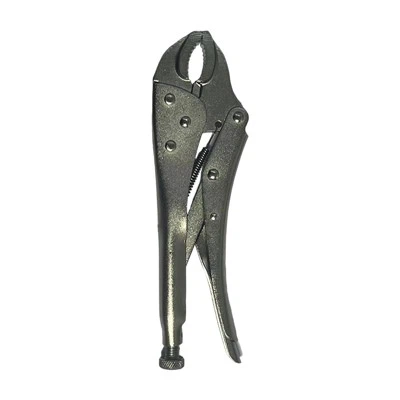
There are several types of locking mechanisms commonly found in pliers, including: - Snap-lock: This type of locking mechanism uses a spring-loaded catch to hold the jaws in place. To release the lock, the user simply presses a button or lever on the handle. - Adjustable lock: Adjustable locking pliers allow the user to set the jaw opening to a specific width and then lock it in place. This is useful for tasks that require a consistent grip pressure. - Slip-joint lock: Slip-joint pliers have a pivot point that can be adjusted to change the jaw opening. Some slip-joint pliers also feature a locking mechanism to hold the jaws in a fixed position.
Do American Type Flat Nose Pliers Have a Locking Mechanism?
In general, American Type Flat Nose Pliers do not come with a locking mechanism. The design of these pliers prioritizes flexibility and precision, allowing the user to make fine adjustments to the jaw position and pressure. A locking mechanism would limit this flexibility and may not be necessary for the types of tasks typically performed with flat nose pliers.

However, there are some exceptions. Some manufacturers may offer American Type Flat Nose Pliers with a locking mechanism as a specialized or premium feature. These pliers are designed for specific applications where a locking function may be beneficial, such as holding a workpiece in place for extended periods or when working in confined spaces.
Advantages and Disadvantages of Locking Mechanisms in American Type Flat Nose Pliers
Advantages
- Increased efficiency: A locking mechanism can save time and effort by eliminating the need to maintain constant pressure on the handles. This is particularly useful for tasks that require long periods of gripping, such as soldering or bending wire.
- Improved safety: By holding the jaws in a fixed position, a locking mechanism can reduce the risk of the pliers slipping or releasing unexpectedly. This can help prevent injuries and damage to the workpiece.
- Enhanced precision: In some cases, a locking mechanism can provide a more stable grip, allowing for greater precision when performing delicate tasks.
Disadvantages
- Reduced flexibility: As mentioned earlier, a locking mechanism can limit the flexibility of the pliers, making it more difficult to make fine adjustments to the jaw position and pressure.
- Increased weight and bulk: Locking mechanisms add additional components to the pliers, which can increase their weight and bulk. This may make them less comfortable to use for extended periods or in tight spaces.
- Higher cost: Pliers with a locking mechanism are generally more expensive than those without. This is due to the additional complexity and cost of manufacturing the locking components.
Comparing American Type Flat Nose Pliers with Other Pliers in Our Product Range
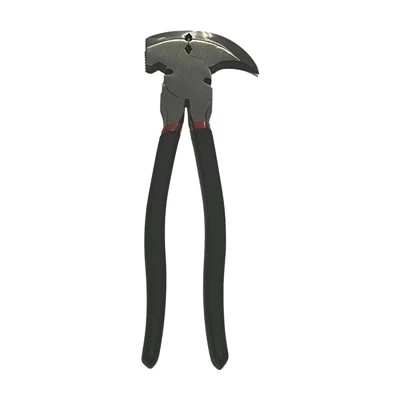
While American Type Flat Nose Pliers may not typically have a locking mechanism, our product range includes other types of pliers that do. Here are some examples: - Fence Pliers: Fence pliers are designed for heavy-duty tasks, such as installing and repairing fences. Many fence pliers feature a locking mechanism to hold the jaws in place when pulling or cutting wire. - Long Reach Nose Plier: Long reach nose pliers are ideal for accessing hard-to-reach areas. Some models come with a locking mechanism to provide a secure grip when working in confined spaces. - Long Handled O-shaped Pliers: Long handled O-shaped pliers are commonly used in electrical work and plumbing. These pliers often have a locking mechanism to hold the jaws in a fixed position when gripping or twisting wires or pipes.
Conclusion
In conclusion, American Type Flat Nose Pliers typically do not have a locking mechanism, as their design prioritizes flexibility and precision. However, there are some specialized models available that feature a locking function for specific applications. Whether or not a locking mechanism is necessary depends on the type of tasks you will be performing and your personal preferences.
If you are in the market for American Type Flat Nose Pliers or other types of pliers, we invite you to explore our product range. Our team of experts is available to answer any questions you may have and help you choose the right tools for your needs. Contact us today to discuss your requirements and start a procurement negotiation.

References
- Black, J. T., & Kohser, R. A. (2009). DeGarmo's Materials and Processes in Manufacturing. Wiley.
- Groover, M. P. (2010). Fundamentals of Modern Manufacturing: Materials, Processes, and Systems. Wiley.
- Smith, W. F., & Hashemi, J. (2006). Foundations of Materials Science and Engineering. McGraw-Hill.