Can wire stripping pliers be used on high - voltage wires?
As a supplier of wire stripping pliers, this is a question that I often encounter from customers, especially those in the electrical and maintenance industries. The answer to this question is not a simple yes or no, and it involves a comprehensive understanding of electrical safety, the characteristics of wire stripping pliers, and the nature of high - voltage wires.
Understanding High - Voltage Wires
High - voltage wires are designed to carry large amounts of electrical energy over long distances. In general, high - voltage is defined as any voltage above 1000 volts in alternating current (AC) systems and 1500 volts in direct current (DC) systems. These wires are commonly used in power transmission and distribution networks, industrial facilities, and some large - scale electrical equipment.
The electrical energy carried by high - voltage wires poses a significant risk to human safety. Electric shock can cause serious injury or even death. In addition, high - voltage electrical arcs can generate extremely high temperatures, which may lead to fires, explosions, and damage to surrounding equipment.
The Function and Design of Wire Stripping Pliers
Wire stripping pliers are hand tools designed to remove the insulation from electrical wires. They typically have a set of jaws with sharp edges that can cut through the insulation without damaging the underlying conductor. Wire stripping pliers come in various sizes and designs to accommodate different wire gauges and types of insulation.
Most wire stripping pliers on the market are designed for low - voltage and medium - voltage applications. They are usually made of metal with a plastic or rubber handle for insulation. The insulation on the handle is designed to protect the user from electric shock when working with wires carrying relatively low voltages.
Why Wire Stripping Pliers Are Not Suitable for High - Voltage Wires
- Insulation Inadequacy
The insulation on the handles of ordinary wire stripping pliers is not designed to withstand the high voltages present in high - voltage wires. When using these pliers on high - voltage wires, there is a high risk of electric shock if the insulation breaks down or if there is accidental contact with the live wire. For example, a small scratch or cut on the handle insulation can compromise its effectiveness and expose the user to the high - voltage current. - Arc Flash Hazard
High - voltage wires can produce arc flashes, which are extremely dangerous. An arc flash is an explosive release of energy caused by a low - impedance connection through air to ground or another voltage phase in an electrical system. The energy released in an arc flash can cause severe burns, hearing loss, and damage to equipment. Wire stripping pliers do not have the necessary protection against arc flashes, and using them on high - voltage wires can put the user at risk of being exposed to this hazard. - Lack of Specialized Design
High - voltage work requires specialized tools that are designed to meet strict safety standards. These tools are often equipped with additional features such as longer handles for increased insulation distance, anti - arc shields, and special coatings to prevent electrical conduction. Wire stripping pliers, on the other hand, are not designed with these features and are therefore not suitable for high - voltage applications.
Alternatives for High - Voltage Wire Work
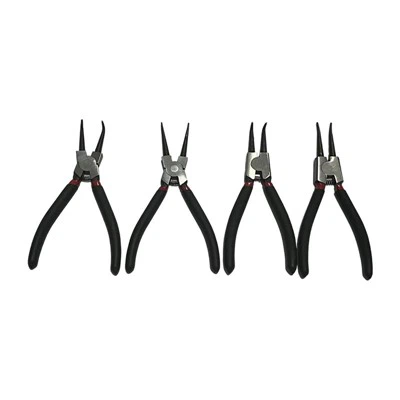
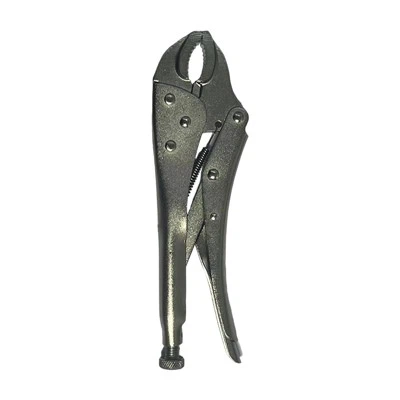
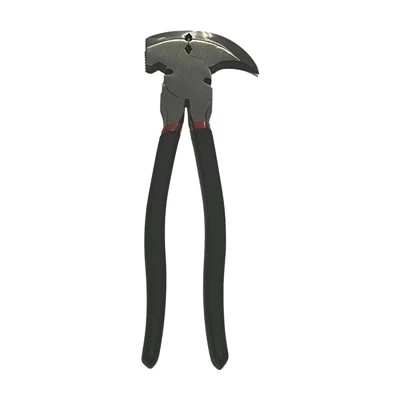
For high - voltage wire work, specialized tools such as Slip Joint Pliers, Long Reach Flat Nose Plier, and German Type End Cutting Pliers that are specifically designed for high - voltage applications should be used. These tools are built to withstand high voltages and are equipped with appropriate insulation and safety features.
In addition to using the right tools, workers dealing with high - voltage wires must follow strict safety procedures. This includes wearing appropriate personal protective equipment (PPE) such as insulated gloves, face shields, and flame - resistant clothing. They should also be trained in high - voltage safety and emergency response procedures.
Our Product Range as a Wire Stripping Pliers Supplier
As a leading supplier of wire stripping pliers, we offer a wide range of products suitable for different applications. Our wire stripping pliers are made of high - quality materials and are designed to provide reliable performance and long - term durability.
We understand the importance of safety in electrical work, and all our products are tested to meet or exceed industry safety standards. While our wire stripping pliers are not suitable for high - voltage wires, they are ideal for low - voltage and medium - voltage applications in various industries such as automotive, electronics, and home electrical repairs.
Conclusion
In conclusion, wire stripping pliers should not be used on high - voltage wires due to the significant safety risks involved. High - voltage work requires specialized tools and strict safety procedures to ensure the safety of workers and the proper functioning of electrical systems.


If you are in need of wire stripping pliers for low - voltage or medium - voltage applications, we invite you to contact us for more information. Our team of experts is ready to assist you in selecting the right tools for your specific needs. We also offer competitive prices and excellent customer service. Whether you are a professional electrician or a DIY enthusiast, we have the products and expertise to meet your requirements. Contact us today to start a purchase negotiation and find the perfect wire stripping pliers for your projects.
References
- Electrical Safety Standards Handbook. Published by the Institute of Electrical and Electronics Engineers (IEEE).
- High - Voltage Engineering: Fundamentals. By M. S. Naidu and V. Kamaraju.