Slip joint pliers are a staple in many toolboxes, known for their versatility and ability to grip objects of various sizes. As a supplier of high - quality slip joint pliers, I often receive inquiries about their suitability for electrical work. This blog post aims to explore whether slip joint pliers can be used for electrical work, considering safety, functionality, and industry best practices.
Understanding Slip Joint Pliers
Slip joint pliers are hand tools with adjustable jaws. The slip joint mechanism allows the user to change the distance between the jaws, enabling them to grip objects of different diameters. They are commonly used in plumbing, automotive repair, and general household maintenance tasks. The jaws can be used for gripping, bending, and pulling wires or other small objects.
Safety Considerations for Electrical Work
When it comes to electrical work, safety is of utmost importance. Electrical currents can cause serious injury or even death if proper precautions are not taken. One of the primary safety concerns when using any tool for electrical work is insulation. Tools used around electricity should be insulated to prevent electric shock.
Many standard slip joint pliers are not insulated. Using non - insulated slip joint pliers in electrical work can expose the user to the risk of electric shock, especially when working on live circuits. Even a small amount of current can be dangerous, and the metal parts of non - insulated pliers can conduct electricity directly to the user.
However, there are insulated slip joint pliers available in the market. These pliers are specifically designed for electrical work. They have a layer of insulating material, usually rubber, covering the handles. The insulation is rated to withstand a certain voltage, which indicates the maximum voltage the pliers can safely handle. For example, some insulated slip joint pliers are rated for 1000V, which means they can be used safely on circuits with a voltage up to 1000V.
Functionality in Electrical Work
In terms of functionality, slip joint pliers can have several uses in electrical work. For instance, they can be used to grip and bend wires. When installing electrical wiring, it is often necessary to bend wires to fit into conduits or around corners. Slip joint pliers can provide a firm grip on the wire, allowing for precise bending.
They can also be used to pull wires through tight spaces. In some electrical installations, wires need to be threaded through small holes or channels. The adjustable jaws of slip joint pliers can grip the wire securely, making it easier to pull the wire through the desired path.
Another use is in the removal and installation of electrical connectors. Some connectors, such as wire nuts, need to be tightened or loosened. Slip joint pliers can be used to grip the connector and turn it, providing more torque than just using fingers.
Industry Standards and Best Practices
The electrical industry has established standards and best practices for the use of tools in electrical work. These standards are in place to ensure the safety of workers and the proper functioning of electrical systems.
According to the Occupational Safety and Health Administration (OSHA) in the United States, tools used for electrical work must be in good condition and properly insulated. Workers are required to use insulated tools when working on or near live electrical circuits. This means that if you are using slip joint pliers for electrical work, they should be insulated and meet the relevant safety standards.
In addition, it is a best practice to visually inspect tools before each use. Check the insulation on the handles of slip joint pliers for any signs of damage, such as cuts, cracks, or wear. Damaged insulation can compromise the safety of the tool and increase the risk of electric shock.


Comparing with Other Pliers for Electrical Work
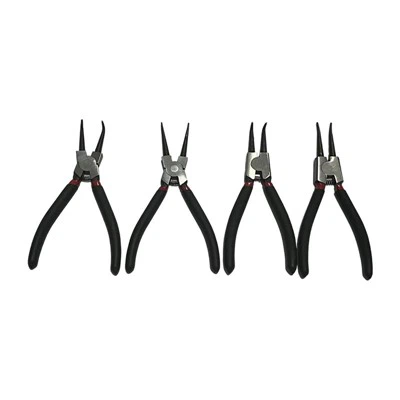
While slip joint pliers can be useful in electrical work, there are other types of pliers that are more specialized for this purpose. For example, Circlip Pliers are designed specifically for installing and removing circlips, which are commonly used in electrical equipment. These pliers have a unique shape and mechanism that allows for precise handling of circlips.
American Type Heavy Duty Diagonal Cutting Pliers are excellent for cutting wires. They have sharp cutting edges that can cleanly cut through different gauges of electrical wire. Their design provides better leverage for cutting, making the task easier and more efficient compared to using slip joint pliers for cutting.
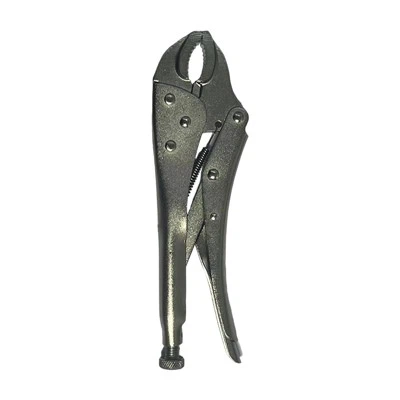
Locking Grip Plier can be used when a constant grip force is required. In some electrical work, such as holding a wire in place while soldering, a locking grip plier can be very useful as it can maintain the grip without the user having to constantly apply pressure.
Our Slip Joint Pliers for Electrical Work
As a supplier, we offer a range of slip joint pliers suitable for electrical work. Our insulated slip joint pliers are made from high - quality materials and are rigorously tested to meet or exceed industry safety standards. The insulation on our pliers provides reliable protection against electric shock, and the adjustable jaws offer excellent versatility for various electrical tasks.
Our pliers are designed with user comfort in mind. The handles are ergonomically shaped, reducing hand fatigue during extended use. We also ensure that the jaws have a smooth and even grip surface, which helps in securely holding wires and other electrical components.
Contact Us for Purchase and Consultation
If you are in the market for slip joint pliers for electrical work or have any questions about our products, we encourage you to reach out to us. Whether you are a professional electrician, a DIY enthusiast, or a business looking to stock up on tools, we can provide you with the right solutions. Our team of experts is ready to assist you in choosing the most suitable slip joint pliers for your specific needs.
References
- Occupational Safety and Health Administration (OSHA). Electrical Safety Standards.
- Manufacturer's specifications for insulated hand tools.
- Industry best practices guides for electrical work.