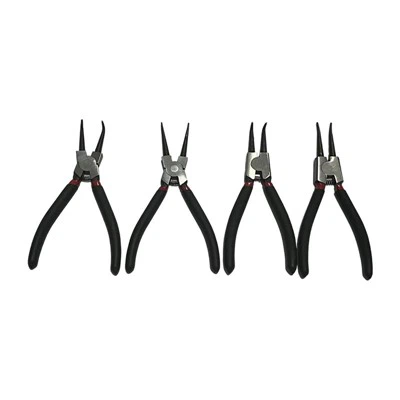
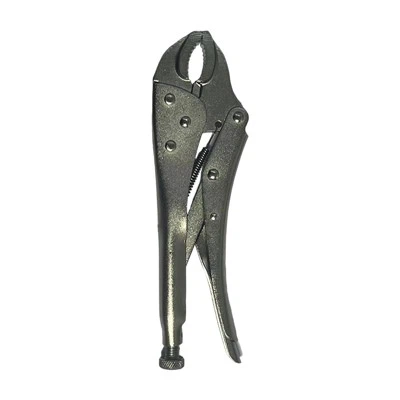
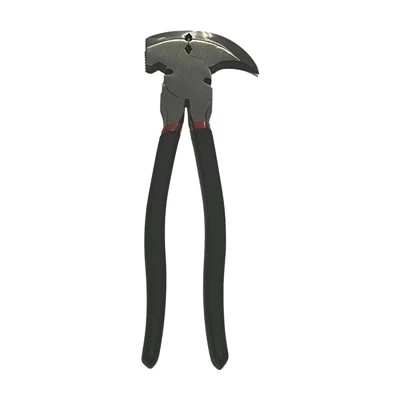
Can long reach nose pliers be used for plumbing work? Well, that's a question I get asked a lot as a supplier of Long Reach Nose Pliers. And let me tell you, it's not a straightforward yes or no answer. In this blog, I'll break down the ins and outs of using these pliers in plumbing jobs, so you can decide if they're the right tool for the task.
First off, let's talk about what long reach nose pliers are. These pliers have a long, narrow jaw design that allows you to access tight spaces that regular pliers just can't reach. The long reach gives you extra leverage and precision when gripping or manipulating small objects. They're often used in electronics, jewelry making, and other delicate work where fine control is essential.
Now, when it comes to plumbing work, there are definitely some situations where long reach nose pliers can come in handy. For example, if you're working on a sink or a toilet and need to reach into a tight corner to adjust a small nut or bolt, these pliers can be a lifesaver. Their long jaws can easily fit into narrow spaces and grip the fastener securely, allowing you to turn it with ease.
Another scenario where long reach nose pliers can be useful is when dealing with small pipes or fittings. Sometimes, you need to hold a small pipe in place while you're soldering or gluing it to another piece. The long jaws of these pliers can provide a firm grip on the pipe without damaging it, making the job much easier and more precise.
However, it's important to note that long reach nose pliers aren't a one-size-fits-all solution for plumbing work. There are some limitations to their use. For instance, they're not very effective for heavy-duty tasks like tightening or loosening large pipes or fittings. Their long, thin jaws aren't designed to handle a lot of force, so trying to use them for these types of jobs could result in the pliers bending or breaking.
In addition, long reach nose pliers aren't the best choice for tasks that require a lot of torque. If you need to apply a lot of pressure to turn a bolt or nut, you're better off using a pair of adjustable wrenches or a pipe wrench. These tools are designed to provide more leverage and can handle the high levels of force needed for heavy-duty plumbing work.
So, while long reach nose pliers can be a useful addition to your plumbing toolkit, they're not a substitute for the more traditional plumbing tools. You'll still need a set of wrenches, pipe cutters, and other specialized tools to tackle most plumbing jobs. But if you find yourself working in tight spaces or dealing with small pipes and fittings, these pliers can definitely make your life easier.
Now, let's take a look at some of the other types of pliers that are commonly used in plumbing work. One popular option is the American Type Bent Nose Pliers. These pliers have a bent jaw design that allows you to access hard-to-reach areas from different angles. They're great for tasks like bending wires, holding small objects, and making precise adjustments.

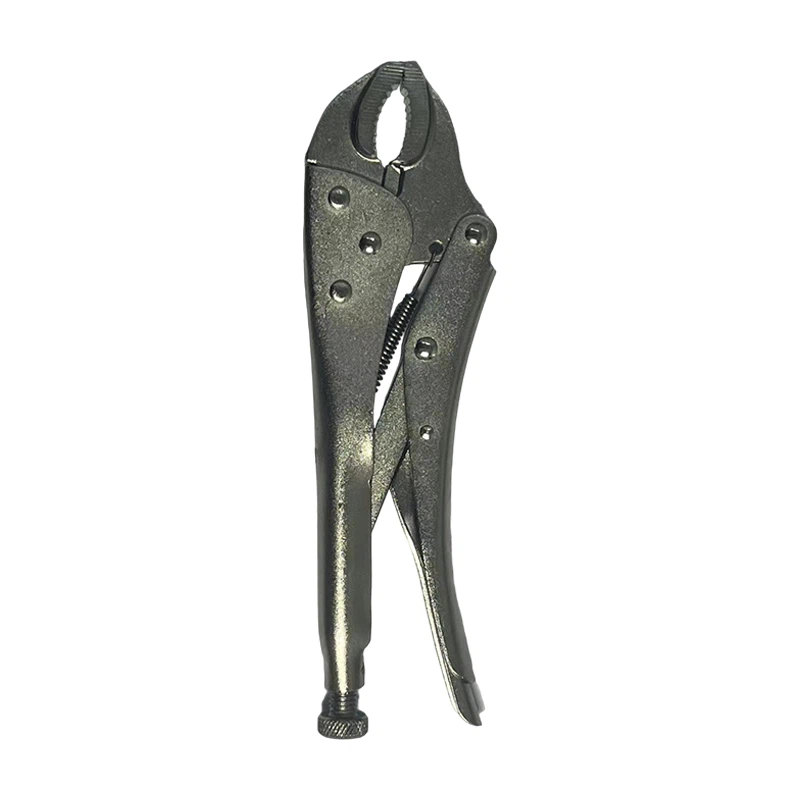
Another type of pliers that's commonly used in plumbing is the German Type End Cutting Pliers. These pliers have a sharp cutting edge at the end of the jaws, which makes them ideal for cutting wires, cables, and small pipes. They're also useful for trimming excess material from fittings and removing small nails or staples.
If you need a tool that can provide a strong, secure grip on pipes and fittings, then the Locking Grip Plier is a great choice. These pliers have a locking mechanism that allows you to adjust the jaws to the desired width and then lock them in place. This provides a constant, even pressure on the object being held, making it easier to work with.
In conclusion, long reach nose pliers can be a valuable tool for plumbing work, especially when working in tight spaces or dealing with small pipes and fittings. However, they're not a substitute for the more traditional plumbing tools and should be used in conjunction with them. If you're in the market for a new pair of pliers for your plumbing toolkit, I highly recommend considering long reach nose pliers, as well as the other types of pliers I mentioned above.
If you're interested in purchasing any of these pliers or have any questions about their use, please don't hesitate to contact me. I'd be happy to help you find the right tools for your plumbing needs and answer any questions you may have.
References
- General knowledge about hand tools and plumbing work.